




Best Long Range E-Bikes


1000+Shop

2-Year Warranty

15-Day Trial

Free Shipping


Himiway D5 2.0 20" eBike
-
Full Suspension
Travel F:90mm R:100mm
-
Torque / Cadence
2 Riding Experiences
-
750W 90Nm
Geared Hub Motor
-
440 lb.
Payload Capacity


Himiway D5 2.0 ST eBike
-
Full Suspension
Travel F:100mm R:130mm
-
Torque / Cadence
2 Riding Experiences
-
750W 90Nm
Geared Hub Motor
-
Smart Auto
5 Assist System


Himiway D5 2.0 Camo eBike
-
Full Suspension
Travel F:100mm R:130mm
-
Torque / Cadence
2 Riding Experiences
-
750W 90Nm
Geared Hub Motor
-
Smart Auto
5 Assist System


Himiway D5 2.0 eBike
-
Full Suspension
Travel F:100mm R:130mm
-
Torque / Cadence
2 Riding Experiences
-
750W 90Nm
Geared Hub Motor
-
Smart Auto
5 Assist System

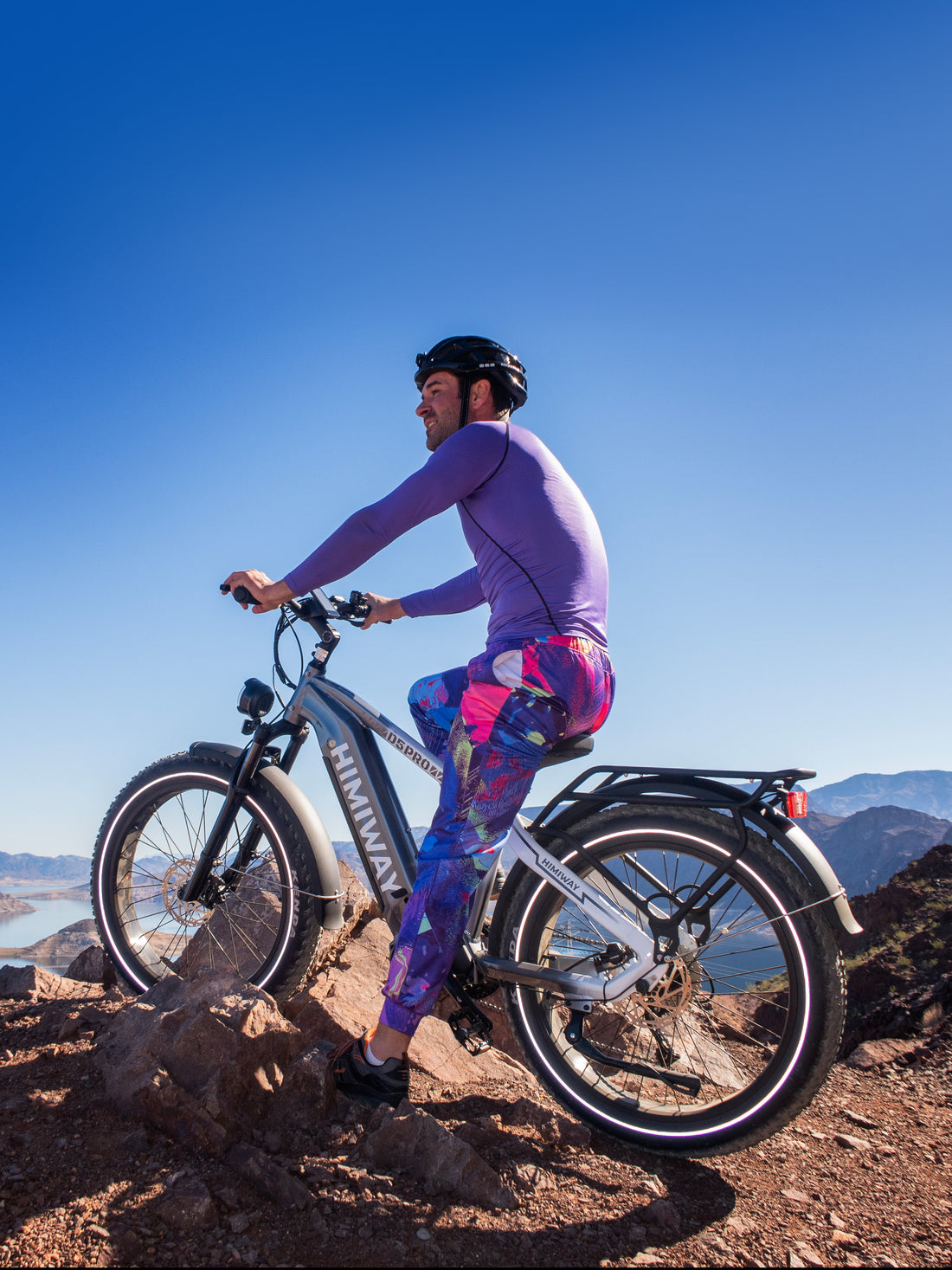
D5 Pro / All-terrain Electric Fat Bike
-
960 Wh
Samsung/LG Battery
-
80 Miles
Max Range
-
500 W
Mid-Drive Motor
-
20+ Mph
Top Speed

D5 Pro ST / All-terrain Electric Fat Bike
-
960 Wh
Samsung/LG Battery
-
80 Miles
Max Range
-
500 W
Mid-Drive Motor
-
20+ Mph
Top Speed


D5 ST(Zebra ST) / All-terrain Electric Fat Bike
-
Torque
Sensor
-
80 Miles
Max Range
-
400 lb.
Max Playload
-
Hydraulic
Brakes


D5(Zebra) / All-terrain Electric Fat Bike
-
Torque
Sensor
-
960 Wh
Samsung/LG Battery
-
80 Miles
Max Range
-
750W
Motor


Himiway A7 Commuter eBike
-
Full Suspension
Travel F:120mm R:90mm
-
Torque / Cadence
2 Riding Experiences
-
Smart Auto
5 Assist System
-
70 Miles
Per Charge


Himiway A7 Pro Commuter eBike
-
Full
Suspension
-
500 W
Mid-Drive Motor
-
Torque
Sensor
-
Hydraulic
Brakes


A3 / Urban Electric Commuter Bike ST
-
Torque
Sensor
-
70 Miles
Per Charge
-
500 W
Geared Hub Motor
-
720 Wh
Samsung/LG Battery

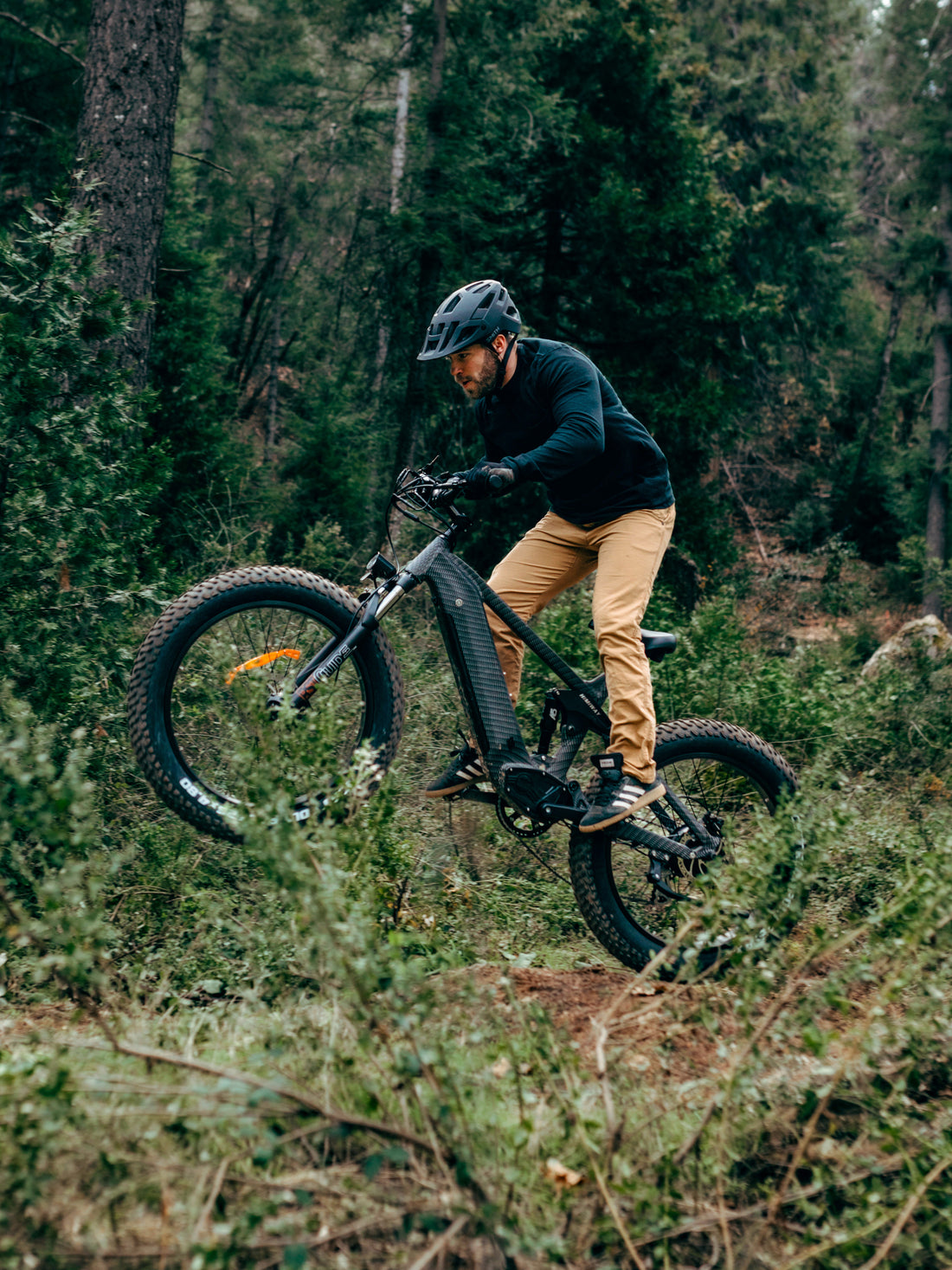
D7 / Full Suspension Electric Hunting Bike
-
80 Miles
Max Range
-
26x4.5
Super Fat Tire
-
Torque
Sensor
-
Hydraulic
Brakes


Himiway D7 Pro Mountain eBike
-
1000 W
Mid-drive Motor
-
28 Mph
Top Speed
-
960 Wh
Samsung/LG Battery
-
80 Miles
Max Range
Best Long Range eBike 2026: Himiway D5 2.0 — Maximum Miles, Maximum Value
When it comes to electric bikes, range is everything. It's the difference between a bike that expands your world and one that keeps you tethered to a charging outlet. In 2026, the Himiway D5 2.0 stands out as one of the best long-range eBikes for sale — delivering exceptional mileage, premium components, and outstanding value for the money.
Whether you're commuting daily, exploring trails on weekends, or simply want the freedom to ride without constantly watching the battery indicator, the D5 2.0 was built for exactly that.
Why Range Is the Most Important eBike Spec
Most eBike buyers focus on motor power or top speed. But experienced riders know: range determines how useful your eBike actually is.
A bike with 20–30 miles of range works fine for short errands. But the moment you want to:
- Commute both ways without recharging
- Take a longer trail ride or explore a new area
- Use your eBike as a genuine car replacement
- Ride confidently without range anxiety
...you need a bike that can go the distance. The D5 2.0 delivers exactly that.
Himiway D5 2.0: Built for Long-Distance Riding
60+ Miles Per Charge — Real-World Range That Matters
The D5 2.0 is equipped with a large-capacity lithium battery that delivers up to 60+ miles on a single charge under normal riding conditions. That's not a lab number — it's achievable real-world range when riding on pedal assist levels 1–3.
What does 60+ miles mean in practice?
- Daily commuters: Round-trip commutes of up to 30 miles with charge to spare
- Weekend explorers: Full-day trail rides without needing a mid-ride charge
- Errand runners: Multiple stops across town on a single battery
- Touring riders: Point-to-point rides that would be impossible on a short-range bike
This is the kind of range that makes an eBike a genuine lifestyle upgrade — not just a novelty.
750W Motor: Efficient Power for Long Hauls
Long range and strong power aren't mutually exclusive on the D5 2.0. The 750W hub motor delivers smooth, consistent torque that handles hills, headwinds, and loaded riding without draining the battery unnecessarily.
The key is efficiency. The D5 2.0's motor is tuned to deliver power intelligently — giving you what you need when you need it, and conserving energy when you don't. This is what separates a truly long-range eBike from one that just has a big battery.
5-Level Pedal Assist: You Control the Range
One of the most powerful range-management tools on the D5 2.0 is its 5-level pedal assist system (PAS). The relationship between assist level and range is direct:
| Assist Level | Riding Feel | Estimated Range |
|---|---|---|
| PAS 1 | Light assist, more pedaling | Maximum range (60+ miles) |
| PAS 2–3 | Balanced everyday riding | 40–55 miles |
| PAS 4 | Strong assist for hills | 30–40 miles |
| PAS 5 + Throttle | Full power mode | 20–30 miles |
Smart riders use lower assist on flat stretches and save higher assist for hills — a simple strategy that dramatically extends every ride.
Fat Tires: Efficiency Meets Versatility
The D5 2.0's wide fat tires do more than just look good. They provide:
- Stable, rolling efficiency on pavement and packed trails
- Traction on varied surfaces — gravel, dirt, light sand, and wet roads
- Comfort over long distances — reduced vibration means less fatigue on extended rides
For long-range riding, comfort matters as much as battery capacity. The D5 2.0's fat tires ensure you arrive at mile 50 feeling as good as you did at mile 5.
Fast Charging — Minimize Downtime
A long-range battery is only as useful as its charging speed. The D5 2.0 charges fully in approximately 5–7 hours, meaning:
- Charge overnight, ride all day
- Top up during a lunch break for extra afternoon range
- Never wait long to get back on the road
Best Long Range eBike for the Money in 2026
The eBike market is full of options, but most long-range bikes fall into two categories: cheap bikes with inflated range claims or premium bikes with premium price tags. The Himiway D5 2.0 occupies a rare third category — genuine long-range performance at a price that makes sense.
Here's what you get for the money:
- 750W motor with real hill-climbing power
- 60+ mile real-world range
- Hydraulic disc brakes for reliable stopping
- Fat tires for multi-surface versatility
- Integrated front and rear lighting
- Clear LCD display with battery and speed readout
- Himiway's proven build quality and customer support
Compared to competing long-range eBikes at similar or higher price points, the D5 2.0 consistently delivers more value per dollar — making it the smart buy for riders who want maximum range without overpaying.
Who Should Buy the Himiway D5 2.0?
The D5 2.0 is the right choice if you:
- Commute 15–30 miles each way and need reliable round-trip range
- Hate charging anxiety and want a bike that goes as far as you do
- Ride mixed terrain — roads, paths, light trails, and everything in between
- Want the best eBike for the money without compromising on key specs
- Plan to use your eBike daily and need a dependable, long-lasting battery
- Are replacing car trips and need genuine transportation range
Long Range eBike Comparison: D5 2.0 vs. The Competition
| Feature | Himiway D5 2.0 | Budget Long-Range eBikes | Premium Long-Range eBikes |
|---|---|---|---|
| Real-World Range | 60+ miles | 25–40 miles (inflated claims) | 60–80 miles |
| Motor Power | 750W | 250–500W | 750W–1000W |
| Tire Type | Fat tire | Narrow road tire | Varies |
| Brakes | Hydraulic disc | Mechanical disc | Hydraulic disc |
| Price | Mid-range | Low | High |
| Value for Money | ✅ Excellent | ⚠️ Compromised specs | ❌ Overpaying |
The D5 2.0 hits the sweet spot: premium specs at a mid-range price.
Tips to Maximize Your D5 2.0 Range
Getting the most out of every charge is easy with a few smart habits:
- Ride on PAS 1–2 on flat roads — save higher assist for hills only
- Keep tires properly inflated — under-inflated fat tires increase rolling resistance
- Avoid full throttle on flat ground — pedaling with light assist is far more efficient
- Store the battery at 50–80% charge if not riding for extended periods
- Ride smoothly — frequent hard acceleration drains the battery faster
- Use regenerative braking where available — every bit of recovered energy adds up
The Best Long Range eBike for Sale in 2026
If you're shopping for a long-range eBike in 2026 and want the best combination of real-world range, proven performance, and genuine value for the money — the Himiway D5 2.0 is the answer.
It doesn't just promise long range. It delivers it, ride after ride, with the build quality and reliability that Himiway riders have come to expect.
Stop worrying about range. Start riding further.
Long Range E-Bikes: How to Choose the Right Battery for Your Ride
Long range e-bikes solve a simple problem: you ride farther without worrying about running out of power. But "long range" means different things to different riders. Your actual range depends on battery capacity, how you ride, the terrain you cover, and environmental conditions. This guide helps you understand what battery size you need and how to get the most miles from every charge.
How Much Range Do You Actually Need?
Start by calculating your typical riding needs. If you commute 10 miles each way (20 miles daily), you need enough capacity for at least 40-50 miles to account for hills, headwinds, and battery degradation over time.
Simple formula: Your daily distance × 2.5 = minimum range needed
For riders covering 15-25 miles daily, a 720Wh battery typically provides plenty of range. If you ride 30+ miles per day or frequently tackle steep hills, a 960Wh battery ensures you won't run low between charges.
What Affects Your E-Bike's Range?
Six factors determine how far you'll actually ride on a single charge:
- Pedal assist level: Highest impact - Eco mode can double your range compared to highest assist
- Terrain: Climbing hills uses 2-3x more battery than flat roads
- Total weight: Every 50 lbs adds roughly 10-15% more energy consumption
- Temperature: Cold weather (below 40°F) reduces range by 15-20%
- Tire pressure: Under-inflated tires can cost you 10-15% of your range
- Speed: Riding at maximum speed drains battery faster than moderate pace
720Wh vs 960Wh Battery: Which Do You Need?
720Wh batteries work well for:
- Daily commutes under 20 miles round trip
- Mostly flat terrain with occasional hills
- Riders who can charge every 2-3 days
- Lighter overall bike weight preference
960Wh batteries are better for:
- Commutes over 20 miles or weekend rides of 50+ miles
- Hilly or mountainous terrain
- Heavy cargo hauling or riding with passengers
- Charging once per week instead of every few days
Tips to Maximize Your E-Bike Range
Get more miles from every charge with these practical strategies:
- Start in a lower assist mode: Use Eco or PAS 1-2 on flat ground, save higher assist for hills
- Keep tires properly inflated: Check pressure weekly - correct inflation alone can add 10% range
- Smooth acceleration: Gradual starts use less power than aggressive throttle or hard pedaling
- Maintain moderate speed: Riding at 15-18 mph is more efficient than pushing 25+ mph
- Pedal consistently: Continuous pedaling, even lightly, extends range more than coasting
- Store battery indoors in cold weather: Bring the battery inside overnight when temperatures drop
Featured Long Range E-Bikes
- 960Wh battery - largest capacity for maximum range
- 60-80 mile range in mixed conditions
- Torque sensor for efficient power delivery
- 26x4.0" fat tires for all-terrain capability
- 79 lb weight - lighter than full suspension models
- 70 mile range with 720Wh battery
- 68.3 lb - lightest long-range model
- Unibody construction (232% stronger frame)
- Torque sensor for natural pedaling feel
- 26x2.2" tires for efficient city riding
- 65 mile range with 720Wh battery
- Full suspension (100mm front + 130mm rear)
- Switchable torque/cadence sensor modes
- Maxxis Minion tires (3,000 mile lifespan)
- 3.5" color display with Bluetooth
Frequently Asked Questions
What is considered long range for an e-bike?
Most riders consider 60+ miles on a single charge to be "long range." However, what matters more is whether the range matches your specific needs. A commuter riding 15 miles daily needs at least 40-50 miles of real-world range to comfortably ride for several days between charges. Weekend riders covering 50-70 miles benefit from 80+ mile capability.
The key isn't hitting a specific number - it's having enough range so you never worry about running out of power during your typical rides.
How do I know what battery size I need?
Calculate based on your riding patterns and charging preferences:
For daily commuters: Take your round-trip distance and multiply by 2.5. If you commute 16 miles daily (8 miles each way), you need about 40 miles of range minimum. A 720Wh battery easily covers this, giving you 3-4 days between charges.
For weekend riders: If you ride 50-60 miles on weekends, look for batteries that provide 70-80 miles of range. This typically means 960Wh capacity, which gives you buffer for hills and headwinds.
For heavy hauling or steep terrain: Add 30-40% more capacity than your distance calculation suggests. Cargo and climbing drain batteries faster, so that 40-mile commute need becomes a 55-60 mile range requirement - making 960Wh the better choice.
Why do manufacturers' range claims seem too high?
Manufacturer range estimates typically assume ideal conditions: a 160-pound rider, flat terrain, 68°F temperature, lowest pedal assist level, and consistent pedaling. These conditions rarely match real-world riding.
In actual use, expect about 60-75% of the maximum advertised range when riding in normal conditions with moderate assist levels. Hills, cold weather, higher assist modes, and heavier rider/cargo weight all reduce range from the ideal maximum.
This doesn't mean the advertised numbers are wrong - they represent the upper limit under optimal conditions. Your actual range will vary based on how and where you ride.
What affects my e-bike's range the most?
These factors have the biggest impact, ranked by their effect on range:
1. Pedal assist level (highest impact): Riding in Eco or PAS 1 can provide 2-3x the range of maximum assist. A bike that goes 40 miles on PAS 5 might achieve 80-100 miles on PAS 1-2 with active pedaling.
2. Terrain: Climbing hills uses dramatically more battery. Steep climbs can consume 2-3x the power of flat riding. A 50-mile range on flat ground might become 20-25 miles in mountainous terrain.
3. Total weight: Every additional 50 pounds (rider weight, cargo, or accessories) increases energy consumption by roughly 10-15%.
4. Temperature: Cold weather below 40°F reduces range by 15-20%. Batteries perform best between 50-85°F.
5. Tire pressure: Under-inflated tires increase rolling resistance. Proper inflation can add 10-15% to your range.
6. Speed: Riding at maximum speed requires more power than moderate pace. Slowing from 25 mph to 18 mph can extend range by 20-30%.
Do mid-drive motors get better range than hub motors?
Mid-drive motors are more efficient when climbing hills because they leverage your bike's gears, keeping the motor in its optimal power band. In hilly terrain, mid-drive systems can deliver 15-25% better range than hub motors.
On flat ground or gentle slopes, the difference is minimal. Hub motors actually perform very efficiently on level terrain, and many riders see comparable range between mid-drive and hub motor e-bikes when riding on flatter routes.
The bigger factors affecting range are battery capacity, pedal assist level, and riding habits - not motor type alone. A 960Wh hub motor bike will almost always outrange a 720Wh mid-drive bike on most terrain.
How can I make my e-bike battery last longer on each ride?
These practical strategies help you maximize range:
Use lower assist modes when possible: Start rides in Eco or PAS 1-2 on flat sections, saving higher assist for hills or headwinds. This single change can double your range.
Maintain proper tire pressure: Check weekly and inflate to the recommended PSI (usually 20-30 PSI for fat tires, 40-65 PSI for standard tires). This alone can improve range by 10-15%.
Accelerate smoothly: Gradual starts use less battery than hard acceleration. Ease into your pedaling rather than immediately going full throttle or maximum assist.
Ride at moderate speeds: Maintaining 15-18 mph is more efficient than pushing to 25+ mph. Wind resistance increases exponentially at higher speeds.
Pedal consistently: Continuous pedaling, even lightly, helps the motor work efficiently. Frequent coasting and restarting uses more energy than steady riding.
Keep the battery warm in cold weather: Store your battery indoors overnight and install it just before riding. Cold batteries deliver significantly less range.
Does cold weather really reduce e-bike range?
Yes - cold temperatures have a significant impact on battery performance. When the temperature drops below 40°F, expect to lose 15-20% of your normal range. In freezing temperatures (below 32°F), range reduction can reach 20-30%.
This happens because lithium-ion batteries experience increased internal resistance in cold conditions, reducing their ability to deliver power efficiently. The chemical reactions that produce electricity slow down at lower temperatures.
To minimize cold weather range loss: store your battery indoors at room temperature, install it on your bike just before riding, and consider using a battery insulation cover. Some riders also keep their battery warmer by using higher assist levels that generate more heat through use.
Which Himiway e-bike has the longest range?
Several Himiway models feature 960Wh batteries, our largest capacity option, providing 60-80 mile range:
The D5 Zebra offers maximum range at an accessible price point with all-terrain fat tires and torque sensor efficiency.
The C3 Cargo combines 960Wh capacity with 440 lb payload capacity - ideal for hauling cargo or passengers over long distances.
The A7 and D5 2.0 with 720Wh batteries provide 65-70 mile range with full suspension comfort.
For the absolute longest range in lighter weight, the A3 achieves 70 miles despite its 720Wh battery thanks to efficient unibody design and torque sensor.
Remember that your actual range depends more on how you ride than which bike you choose. Any of these models can exceed their range estimates with efficient riding habits.
Why HIMIWAY ?
Ride Further Together
Himi Riders
Recognition from knights around the world
5-Star Reviews
The knights give an honest opinion
Professional Review
What the professional media really thinks of us


Bikes for Every Ride


Find a Local Himiway Shop Near You
Looking for a hands-on experience?
Find a Himiway electric bike shop near you and schedule a test ride today.