




Best E-Bikes for Winter Commute


1000+Shop

2-Year Warranty

15-Day Trial

Free Shipping


Himiway D5 2.0 20" eBike
-
Full Suspension
Travel F:90mm R:100mm
-
Torque / Cadence
2 Riding Experiences
-
750W 90Nm
Geared Hub Motor
-
440 lb.
Payload Capacity

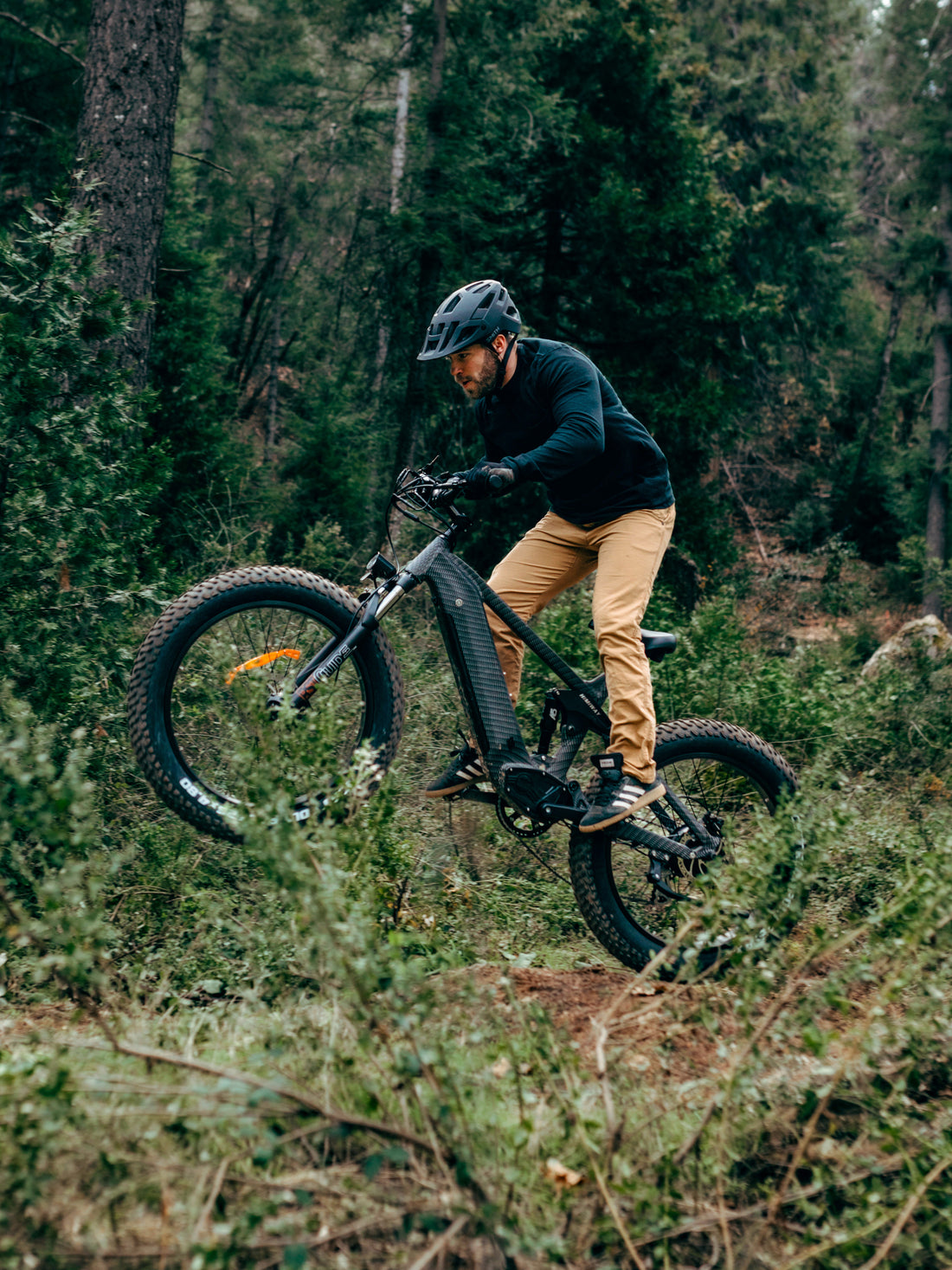
D7 / Full Suspension Electric Hunting Bike
-
80 Miles
Max Range
-
26x4.5
Super Fat Tire
-
Torque
Sensor
-
Hydraulic
Brakes


Himiway D5 2.0 Camo eBike
-
Full Suspension
Travel F:100mm R:130mm
-
Torque / Cadence
2 Riding Experiences
-
750W 90Nm
Geared Hub Motor
-
Smart Auto
5 Assist System


Himiway D5 2.0 eBike
-
Full Suspension
Travel F:100mm R:130mm
-
Torque / Cadence
2 Riding Experiences
-
750W 90Nm
Geared Hub Motor
-
Smart Auto
5 Assist System


Himiway D7 Pro Mountain eBike
-
1000 W
Mid-drive Motor
-
28 Mph
Top Speed
-
960 Wh
Samsung/LG Battery
-
80 Miles
Max Range


Himiway D5 2.0 ST eBike
-
Full Suspension
Travel F:100mm R:130mm
-
Torque / Cadence
2 Riding Experiences
-
750W 90Nm
Geared Hub Motor
-
Smart Auto
5 Assist System

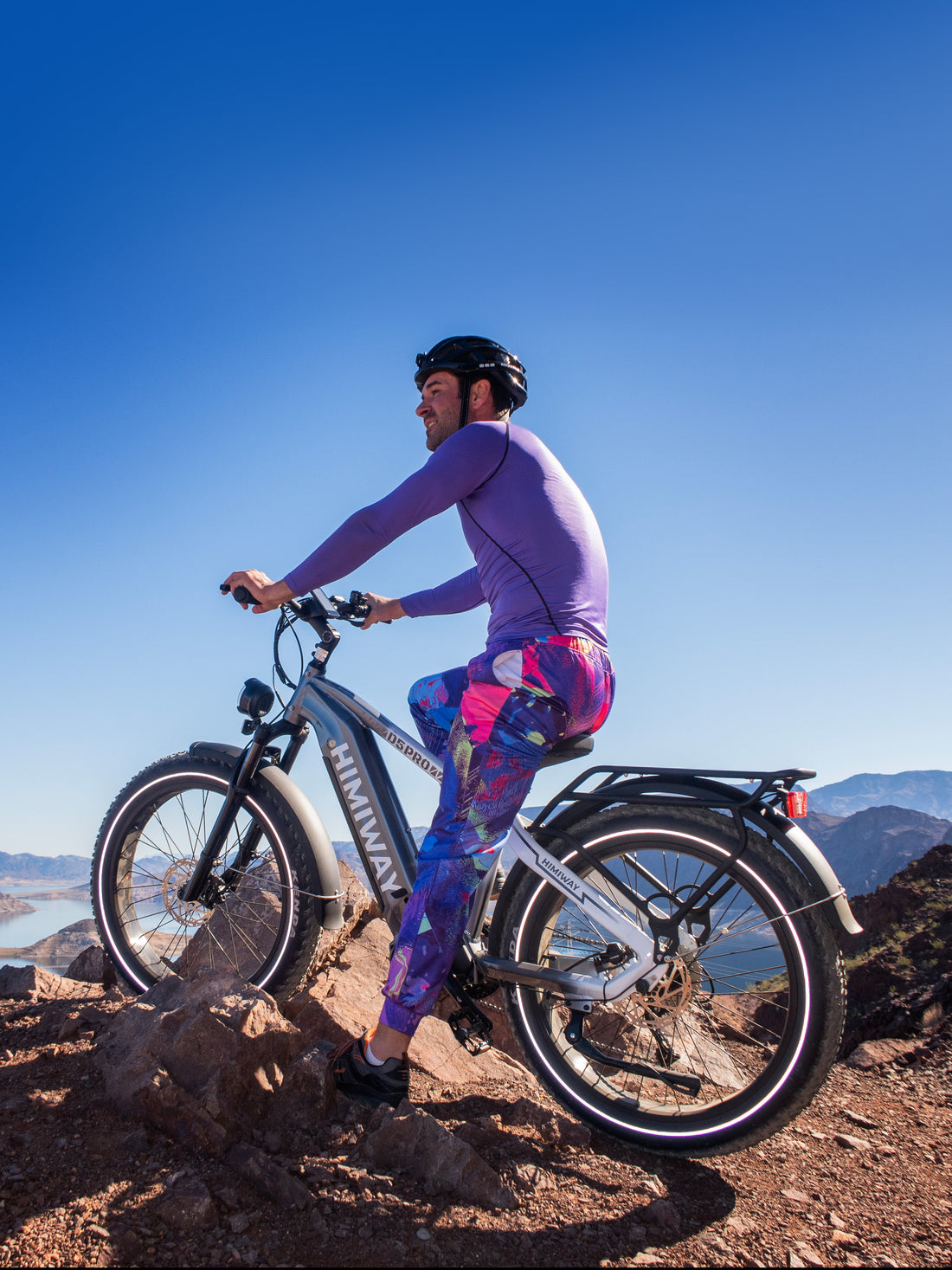
D5 Pro / All-terrain Electric Fat Bike
-
960 Wh
Samsung/LG Battery
-
80 Miles
Max Range
-
500 W
Mid-Drive Motor
-
20+ Mph
Top Speed

D5 Pro ST / All-terrain Electric Fat Bike
-
960 Wh
Samsung/LG Battery
-
80 Miles
Max Range
-
500 W
Mid-Drive Motor
-
20+ Mph
Top Speed


D5 ST(Zebra ST) / All-terrain Electric Fat Bike
-
Torque
Sensor
-
80 Miles
Max Range
-
400 lb.
Max Playload
-
Hydraulic
Brakes


D5(Zebra) / All-terrain Electric Fat Bike
-
Torque
Sensor
-
960 Wh
Samsung/LG Battery
-
80 Miles
Max Range
-
750W
Motor
Best Electric Snow Bike for Winter Trails in the USA: Himiway D5 2.0 20"
Winter does not have to mean the end of riding season. With the right electric snow bike, you can keep exploring trails, commuting through the city, and riding the terrain you love — even when the ground is covered in snow, ice, and slush.
In 2026, the Himiway D5 2.0 20" has become the go-to electric snow bike for riders across the USA who refuse to let winter slow them down. Here is everything you need to know about why it leads the category — and why it might be the perfect winter e-bike for you.
What Is an Electric Snow Bike?
An electric snow bike is a fat-tire electric bike engineered to handle winter conditions: packed snow, loose powder, icy paths, slush, and the unpredictable mix of surfaces that winter trails deliver. Unlike standard e-bikes with narrow tires that slip and sink in snow, electric snow bikes use wide fat tires that float over soft surfaces and grip on slippery ones.
The best electric snow bikes combine fat tires with a powerful motor, long-range battery, reliable braking in cold and wet conditions, and a durable build that holds up through a full winter season.
The Himiway D5 2.0 20" delivers all of this in a compact, agile package that is equally at home on winter trails and snowy city streets.
Himiway D5 2.0 20": Built for Winter
4" Fat Tires — Float Over Snow, Grip on Ice
The foundation of any great electric snow bike is its tires — and the D5 2.0 20" delivers with 20" x 4" fat tires that transform winter riding.
Running at lower tire pressure (8–12 PSI for deep snow, 12–18 PSI for packed trails), the fat tires spread your weight across a wide contact patch that floats over soft snow instead of sinking through it. On packed snow and icy paths, the wide tires provide significantly more grip than narrow tires, reducing the risk of slipping and giving you confident control in conditions that would make a standard e-bike dangerous.
For riders on snowy winter trails, the fat tires are the single most important feature — and the D5 2.0 20" runs some of the widest tires available on a compact 20" frame.
750W Motor — Power Through Winter Resistance
Snow and cold create resistance that standard e-bike motors struggle with. Soft snow, icy grades, and the general drag of winter terrain demand more torque than fair-weather riding.
The D5 2.0 20" is powered by a 750W rear hub motor with 1,200W peak output that handles winter resistance without hesitation. Whether you are pushing through fresh powder on a trail, climbing a snow-covered hill, or accelerating from a stop on a slippery surface, the motor delivers smooth, consistent power that keeps you moving.
In cold temperatures, battery performance decreases — which is why having a powerful, efficient motor matters even more in winter. The D5 2.0 20"'s motor is calibrated to perform reliably in cold conditions, giving you the power you need when the temperature drops.
48V 15Ah Battery — Winter-Ready Range
Cold weather reduces battery range — a fact every winter e-bike rider needs to plan for. The D5 2.0 20" carries a 48V 15Ah Samsung/LG battery with up to 60 miles of range in ideal conditions. In cold winter temperatures, real-world range will be lower — but the D5 2.0 20"'s large 15Ah battery gives you a meaningful buffer that smaller-battery competitors cannot match.
For winter trail riding, most sessions are 10–25 miles. For winter commuting, most daily distances are under 20 miles. The D5 2.0 20"'s battery handles both comfortably, even with the range reduction that cold weather brings.
Winter battery tips:
- Store the battery indoors overnight and attach it to the bike just before riding
- Avoid charging in temperatures below freezing
- Keep the battery above 20% charge in cold weather to protect cell health
- Expect 20–30% range reduction in temperatures below 32°F
Compact 20" Frame — Agile on Winter Trails
The D5 2.0 20"'s compact 20-inch frame gives it a handling advantage on winter trails that full-size bikes cannot match. The shorter wheelbase and lower center of gravity make the bike more responsive and easier to maneuver on the narrow, winding trails that winter riding often involves.
When a trail turns unexpectedly or you need to navigate around a patch of ice, the D5 2.0 20" responds quickly and intuitively. For riders who are less confident in slippery conditions, the compact frame's lower standover height also makes it easier to put a foot down quickly when needed.
Hydraulic Disc Brakes — Reliable Stopping in Snow and Ice
Braking in winter conditions is one of the most critical safety factors for any snow bike. Wet snow, ice, and slush all compromise braking performance — and the difference between hydraulic and mechanical disc brakes becomes most apparent in exactly these conditions.
The D5 2.0 20" uses hydraulic disc brakes that maintain consistent, powerful stopping performance regardless of moisture and cold. Unlike mechanical disc brakes that can feel spongy and unpredictable when wet, hydraulic brakes deliver firm, reliable stopping every time — giving you the confidence to ride safely on winter trails and snowy streets.
Front Suspension Fork — Smooth Over Frozen Terrain
Frozen ground is unforgiving. Frost heaves, ice ridges, frozen ruts, and hardened trail surfaces create a rough, jarring ride on rigid-frame bikes. The D5 2.0 20"'s front suspension fork absorbs this impact before it reaches your hands and body, keeping the ride comfortable and the front wheel tracking on unpredictable winter terrain.
Combined with the fat tires, the suspension fork gives the D5 2.0 20" a ride quality that makes extended winter riding genuinely enjoyable rather than exhausting.
7-Speed Shimano Gearing — Control on Any Winter Grade
Winter trails are rarely flat. Snow-covered hills, icy grades, and variable terrain require precise gear control to maintain momentum without overloading the motor or losing traction.
The D5 2.0 20"'s 7-speed Shimano gearing lets you find the right resistance for any winter surface. On flat packed snow, run a higher gear for efficient cruising. On uphill sections, drop to a lower gear and let the motor and gearing work together to maintain smooth, controlled progress.
350 lb Payload Capacity — Carry Winter Gear
Winter riding means extra gear: heavier clothing, panniers with supplies, and sometimes cargo for winter commuters. The D5 2.0 20" supports a payload capacity of up to 350 lbs, with a rear rack that accommodates panniers, bags, and cargo for everything a winter rider needs.
Electric Fat Tire Bikes for Snowy and Sandy Terrains
One of the D5 2.0 20"'s most versatile qualities is its ability to perform across multiple challenging terrain types — not just snow. The same fat tire physics that make it exceptional in winter make it equally capable on:
- Sandy beaches and coastal paths — the fat tires float over soft sand the same way they float over soft snow
- Muddy trails — wide tires provide traction on loose, wet surfaces
- Gravel and mixed terrain — the fat tires absorb vibration and maintain grip on loose surfaces
- Wet pavement — wider tires provide more contact area and better wet-weather grip than narrow tires
For riders who want a single e-bike that performs year-round across multiple terrain types, the D5 2.0 20" is the answer. It is a true all-season, all-terrain electric fat tire bike.
Winter E-Bike Commuting with the D5 2.0 20"
For urban riders who want to keep commuting through winter, the D5 2.0 20" is one of the best winter e-bike commuting options available. Its combination of fat tires, hydraulic disc brakes, and powerful motor makes it safer and more capable on snowy city streets than any standard e-bike.
Why the D5 2.0 20" works for winter commuting:
- Fat tires grip on snow-covered bike lanes where narrow tires slip
- Hydraulic disc brakes stop reliably at intersections on wet and icy surfaces
- Compact frame navigates city traffic more easily than full-size e-bikes
- 750W motor handles hills even when roads are snow-covered and slippery
- 60-mile range (reduced in cold weather but still sufficient for most commutes) means no mid-commute charging anxiety
- Rear rack accommodates panniers for work bags, groceries, and daily essentials
For e-bike winter commuting in cities across the USA — from Minneapolis to Denver to Boston — the D5 2.0 20" is built for the conditions you actually face.
Electric Snow Bike for Sale: What to Look for Before You Buy
If you are shopping for an electric snow bike for sale, here is what separates a genuine winter performer from a bike that will disappoint you in real winter conditions:
- Fat tires (4" or wider) — non-negotiable for snow performance
- 750W or stronger motor — winter resistance demands real power
- Large battery (15Ah minimum, 15Ah preferred) — cold weather reduces range; you need the buffer
- Hydraulic disc brakes — mechanical brakes underperform in wet and cold conditions
- Suspension — frozen terrain is rough; suspension protects your body and your control
- High payload — winter gear adds weight; your bike needs to handle it
The Himiway D5 2.0 20" meets or exceeds every one of these criteria — at a price point that makes it the best value electric snow bike for sale in the USA in 2026.
Who Should Buy the Himiway D5 2.0 20" for Winter?
The D5 2.0 20" is the right electric snow bike for:
- Winter trail riders who want to keep exploring off-road in snow and cold
- Winter commuters who need a safe, reliable e-bike for snowy city streets
- All-season riders who want one bike that performs year-round on snow, sand, and mixed terrain
- Riders of all sizes who want a compact, accessible fat-tire e-bike with a lower standover height
- Outdoor enthusiasts who refuse to let winter end their riding season
Winter riding does not require suffering through cold, slipping on ice, or pushing through snow on a bike that was never designed for it. With the Himiway D5 2.0 20", you get a purpose-built electric snow bike that handles winter trails, snowy commutes, and mixed terrain with confidence and capability.
Its 4" fat tires, 750W motor, 15Ah battery, hydraulic disc brakes, and compact agile frame make it the best electric snow bike for winter trails in the USA in 2026 — and one of the best all-season fat tire e-bikes available at any price.
Winter is coming. Ride it.
Find Your Perfect Winter Commute Solution
Winter commuting presents unique challenges that demand specific solutions. Icy roads, reduced battery performance in freezing temperatures, decreased visibility, and slippery surfaces can turn your daily ride into a stressful experience. The right e-bike equipped with winter-ready features transforms these obstacles into manageable conditions, keeping you moving safely and confidently through the coldest months.
Traction on Ice and Snow
Slippery conditions are the primary safety concern for winter riders. Fat tires (4.0 inches or wider) provide significantly larger surface contact with the ground, distributing your weight across a broader area and preventing sinking into snow. Wide tire designs deliver the grip you need when roads become unpredictable, reducing slip hazards and boosting rider confidence.
Battery Performance in Cold Weather
Cold temperatures slow down the chemical reactions in lithium-ion batteries, reducing capacity by 20-50% in freezing conditions. A removable, high-capacity battery solves this problem by allowing indoor storage and room-temperature charging, which protects battery health and maximizes available range. Learn comprehensive strategies in our winter battery care guide.
Reliable Stopping Power
Wet, icy conditions demand braking systems that perform consistently regardless of weather. Hydraulic disc brakes with large rotors (180mm) provide dependable stopping power even on slippery surfaces, shedding snow and ice more effectively than traditional rim brakes. This component becomes critical when split-second decisions determine your safety.
Comfort on Rough, Frozen Terrain
Winter roads deteriorate with potholes, ice chunks, and uneven surfaces that create jarring impacts. Suspension systems absorb these shocks, reducing fatigue on your back, shoulders, and wrists during longer commutes. Full suspension designs with front and rear travel smooth out the roughest winter conditions, making daily rides sustainable rather than punishing.
Winter-Ready E-Bike Solutions
D5 2.0 Series
Built for winter commuting comfort and safety, the soft-tail full suspension (130mm rear, 100mm front) absorbs harsh impacts from frozen potholes and rough winter terrain.
- Maxxis 26"×4.0" fat tires for superior snow and ice traction
- 720Wh removable battery (store indoors to protect from cold)
- Full suspension reduces fatigue on rough winter terrain
- Integrated turn signals enhance visibility in low-light conditions
- TEKTRO hydraulic disc brakes with 180mm rotors for wet-weather stopping power
Available in three variants: D5 2.0, D5 2.0 ST, D5 2.0 Camo
D7 Series
Built for harsh winters and heavy cargo. A 1000W motor cuts through deep snow, and 4.5"–4.8" fat tires ensure superior flotation and stability—ideal for equipment, shopping, or demanding winter terrain.
- Kenda/CST 26"×4.5"-4.8" tires offer maximum snow flotation
- 1000W motor conquers steep, snow-covered hills with ease
- Full suspension handles the most brutal winter road conditions
- 400 lb payload capacity for carrying winter gear and supplies
- 960Wh battery supports longer routes in cold weather
Available options: D7 (Cobra) or D7 Pro
Winter E-Bike Commuting: Your Questions Answered
A winter-capable e-bike needs four essential features to handle cold-weather challenges safely:
Wide tires for traction: Fat tires measuring 4.0 inches or wider create a larger contact patch with the road, preventing you from slipping on ice or sinking into snow. The 26"×4.0" tires on the D5 2.0 demonstrate this principle, distributing your weight across more surface area for reliable grip.
Removable battery with high capacity: Cold temperatures reduce lithium-ion battery performance by 20-50%. A removable battery allows you to store it indoors at room temperature (50-77°F) and charge it safely, protecting battery health. Higher capacity batteries (720-960Wh) compensate for cold-weather range loss. Read our complete winter battery care guide for detailed maintenance tips.
Hydraulic disc brakes: These provide consistent stopping power on wet, icy roads by shedding water and snow more effectively than rim brakes. Look for 180mm rotors for maximum braking force.
Suspension for comfort: Winter roads develop potholes and ice chunks that create jarring impacts. Front or full suspension absorbs these shocks, reducing fatigue during daily commutes.
Yes, fat tire e-bikes excel in winter conditions specifically because of their tire design. Here's why they outperform standard bikes on ice and snow:
Surface contact area: A 4.0-inch wide tire creates significantly more ground contact than a standard 2.0-inch tire. This distributes your weight across a larger area, preventing the tire from cutting through snow or losing grip on ice. When you lower tire pressure to 15-20 PSI (compared to the typical 30-40 PSI), you increase this contact patch even further, allowing the tire to "float" over soft snow rather than sink into it.
Natural shock absorption: The large air volume in fat tires acts as built-in suspension, smoothing out bumps from frozen ruts and ice chunks that make winter roads particularly rough.
Knobby tread patterns: The aggressive tread designs on winter fat tires, like those on the Kenda 26"×4.5" tires, bite into packed snow and provide grip on icy surfaces, reducing slip hazards.
For extreme ice: While fat tires handle most winter conditions well, you can add studded tires for icy roads. The wide tire format accommodates studded options that dramatically improve traction on black ice.
Models with the widest tires, such as the D7 Pro with 26"×4.8" tires, offer maximum flotation for deep snow conditions.
Cold weather battery management requires three critical practices to protect performance and longevity:
Never charge below freezing: Charging a lithium-ion battery when it's below 32°F (0°C) causes permanent damage through lithium plating, which reduces capacity and creates safety risks. Always bring your battery indoors and let it warm to room temperature (50-77°F) for at least an hour before charging. This is why removable batteries are essential for winter riding.
Store indoors between rides: When temperatures drop below 50°F (10°C), batteries begin losing efficiency. Store your battery at room temperature overnight rather than leaving it in a cold garage or outdoors. This single practice protects battery health and ensures you start each ride with maximum capacity.
Expect 20-30% range reduction: Cold slows the chemical reactions in batteries, temporarily reducing available capacity. A 960Wh battery compensates for this loss better than smaller batteries, giving you adequate range even in freezing conditions.
Additional tips:
- Keep battery between 50-70% charge for long-term storage
- Consider a neoprene battery cover for extra insulation during rides
- Start rides with a pre-warmed battery when possible
- Avoid draining the battery completely in cold weather
For comprehensive guidance, read our complete winter battery care guide.
E-bikes solve specific winter commuting problems that make traditional transportation frustrating:
Motor assistance through snow: Pedaling through 2-3 inches of snow or fighting headwinds on a regular bike drains your energy quickly. The electric motor provides consistent power assist, letting you maintain speed without exhausting yourself before you reach work. A 1000W motor makes even steep, snow-covered hills manageable.
Reduced physical strain: Winter riding already demands more energy due to heavy clothing, cold air resistance, and difficult road conditions. Electric assist compensates for these factors, preventing you from arriving at work sweaty despite wearing multiple layers.
Faster than walking or driving in traffic: Snow-clogged roads create traffic congestion that makes cars unreliable. E-bikes navigate around stalled traffic and handle bike paths that cars can't access, often making them the fastest option for short-to-medium commutes.
Cost savings and environmental benefits: Heating a car in winter and dealing with snow tires, parking, and fuel costs adds up quickly. E-bikes eliminate these expenses while reducing your carbon footprint, even when accounting for battery charging.
Consistent arrival times: Unlike buses that run late in winter weather or cars stuck in snow-related traffic, e-bikes give you predictable commute times once you learn winter riding techniques.
Yes, but salt and chemical de-icers accelerate corrosion, requiring proactive maintenance to protect your investment:
Post-ride cleaning: Rinse your e-bike with room-temperature water after each ride on salted roads, focusing on the drivetrain, brake calipers, and any exposed metal components. This simple 5-minute routine prevents salt from sitting on surfaces overnight where it causes the most damage.
Hydraulic brake advantage: Unlike rim brakes where salt slush can build up on braking surfaces, hydraulic disc brakes shed salt and slush more effectively. The enclosed brake system also protects internal components from corrosion. TEKTRO hydraulic brakes with 180mm rotors maintain consistent performance even on heavily salted roads.
Chain lubrication: Apply wet-weather chain lubricant after cleaning to create a protective barrier against salt. Wet lubes resist washing off in slush better than dry formulas. Reapply every 2-3 rides in salty conditions.
Protective measures:
- Install full fenders to minimize salt spray onto components and your clothing
- Check battery contacts for corrosion monthly and clean with a dry cloth
- Inspect cables and housing for rust, replacing if deterioration appears
- Apply anti-rust spray to exposed bolts at the start of winter
With regular cleaning, e-bikes handle salted roads reliably throughout winter without significant degradation.
Snow riding demands a specific combination of features that work together for safety and control:
Ultra-wide fat tires (4.0"-4.8"): Tire width determines whether you ride on top of snow or sink into it. The Maxxis 26"×4.0" tires handle light to moderate snow well, while the CST 26"×4.8" tires on the D7 Pro excel in deeper snow by distributing weight across an even larger surface area.
Powerful motor (750W-1000W): Snow creates significant rolling resistance that demands more power to maintain speed. A 750W motor handles packed snow and light powder, while a 1000W motor powers through deeper accumulation and snow-covered hills without bogging down.
Full suspension: Snow conceals potholes, curbs, and ice chunks that create unexpected impacts. The soft-tail full suspension on the D5 2.0 ST provides 130mm of rear travel and 100mm front travel, absorbing these hidden obstacles and keeping your wheels in contact with the ground for better traction.
Bright integrated lighting: Winter brings shorter days and often overcast conditions reducing visibility. Powerful front lights (200+ lumens) and rear lights make you visible to others. The D5 2.0's integrated turn signals add an extra safety layer, clearly communicating your intentions to drivers in low-visibility conditions.
High payload capacity: Winter riding requires carrying extra layers, lights, and potentially work equipment. A 400 lb payload capacity allows you to haul everything you need without compromising bike handling in snow.
Successful winter e-bike commuting relies on preparation and riding technique adjustments:
Lower tire pressure for traction: Reduce fat tire pressure to 15-20 PSI (from the typical 20-25 PSI) to increase the contact patch. This creates a larger footprint that grips snow and ice better. Adjust based on conditions: 15 PSI for deep powder, 20 PSI for packed snow or ice.
Layer clothing strategically: Start with a moisture-wicking base layer to pull sweat away from skin, add an insulating mid-layer (fleece or down), and finish with a windproof, waterproof shell. The electric assist means you'll generate less body heat than on a regular bike, so dress slightly warmer than you think necessary.
Use lower assist modes: Higher assist levels drain battery faster, and cold weather already reduces range by 20-30%. Eco or low assist modes extend your range while still providing enough power to handle snow. You can always increase assist for hills or deep snow sections.
Plan routes avoiding ice patches: Stick to roads that get plowed and salted regularly. Bike lanes and paths often get cleared last, making main roads safer in winter. Scout your route after the first snowfall to identify problem areas.
Pre-warm your battery: Keep your removable battery indoors overnight at room temperature. Attach it to your bike just before riding to start with maximum capacity. Some riders even keep the battery inside their jacket for the first few minutes of the ride in extreme cold.
Additional winter riding techniques:
- Reduce speed by 30-40% compared to dry conditions
- Brake earlier and more gently, using rear brake primarily
- Avoid sudden steering inputs or sharp turns
- Stay seated for better traction (standing shifts weight forward)
- Carry a spare tube and pump, as cold makes rubber brittle
For battery-specific winter care, see our detailed battery care guide.
Winter range depends on temperature, battery capacity, and riding conditions. Here's what to expect realistically:
Cold weather impact: Lithium-ion batteries lose 20-30% capacity when temperatures drop below 32°F (0°C), and up to 50% in extreme cold below 0°F (-18°C). This happens because cold slows the chemical reactions needed to produce electricity. The effect is temporary—batteries recover full capacity when warmed up.
Battery capacity comparison:
- 720Wh battery (D5 2.0): Rated for 65 miles in ideal conditions, expect 45-50 miles in cold weather with moderate assist, or 30-35 miles in freezing conditions with higher assist
- 960Wh battery (D5 Pro, D7 series): Rated for 80 miles in ideal conditions, expect 55-65 miles in cold weather, or 40-50 miles in freezing conditions
Factors that reduce winter range further:
- Snow and slush create rolling resistance that drains battery faster
- Cold, dense air increases wind resistance
- Heavier winter clothing and gear add weight
- Lower tire pressure (necessary for traction) increases rolling resistance slightly
- Frequent stops and starts in urban riding waste power
Maximize winter range: Keep your battery warm until just before riding, use lower pedal assist levels (Eco or Level 1-2), maintain steady speeds instead of rapid acceleration, and ride in the highest gear you can comfortably pedal. These techniques can recover 10-15% of the range lost to cold weather.
For most winter commuters, the larger 960Wh battery provides peace of mind, ensuring you complete your commute even in the coldest conditions without range anxiety.
Why HIMIWAY ?
Ride Further Together
Himi Riders
Recognition from knights around the world
5-Star Reviews
The knights give an honest opinion
Professional Review
What the professional media really thinks of us




Bikes for Every Ride


Find a Local Himiway Shop Near You
Looking for a hands-on experience?
Find a Himiway electric bike shop near you and schedule a test ride today.