




750 Watt Ebike


Himiway D5 2.0 20" eBike Easy to Maneuver. Built for Power.
-
Full Suspension
Travel F:90mm R:100mm
-
Torque / Cadence
2 Riding Experiences
-
750W 90Nm
Geared Hub Motor
-
440 lb.
Payload Capacity


Himiway D5 2.0 ST eBike Endless Comfort: Turning Rough Roads into Silk.
-
Full Suspension
Travel F:100mm R:130mm
-
Torque / Cadence
2 Riding Experiences
-
750W 90Nm
Geared Hub Motor
-
Smart Auto
5 Assist System


Himiway D5 2.0 eBike Endless Comfort: Turning Rough Roads into Silk.
-
Full Suspension
Travel F:100mm R:130mm
-
Torque / Cadence
2 Riding Experiences
-
750W 90Nm
Geared Hub Motor
-
Smart Auto
5 Assist System


Himiway D5 2.0 Camo eBike Blend In, Ride Out: The Top Choice for Hunting
-
Full Suspension
Travel F:100mm R:130mm
-
Torque / Cadence
2 Riding Experiences
-
750W 90Nm
Geared Hub Motor
-
Smart Auto
5 Assist System


D5(Zebra) / All-terrain Electric Fat Bike
-
Torque
Sensor
-
960 Wh
Samsung/LG Battery
-
80 Miles
Max Range
-
750W
Motor


D5 ST(Zebra ST) / All-terrain Electric Fat Bike
-
Torque
Sensor
-
80 Miles
Max Range
-
400 lb.
Max Playload
-
Hydraulic
Brakes


Himiway C5 Electric Motorbike The electric bike that looks like a motorcycle, bold and powerful
-
20 Mph
Top Speed
-
80 Miles
Max Range
-
750W
Motor
-
Hydraulic
Brakes

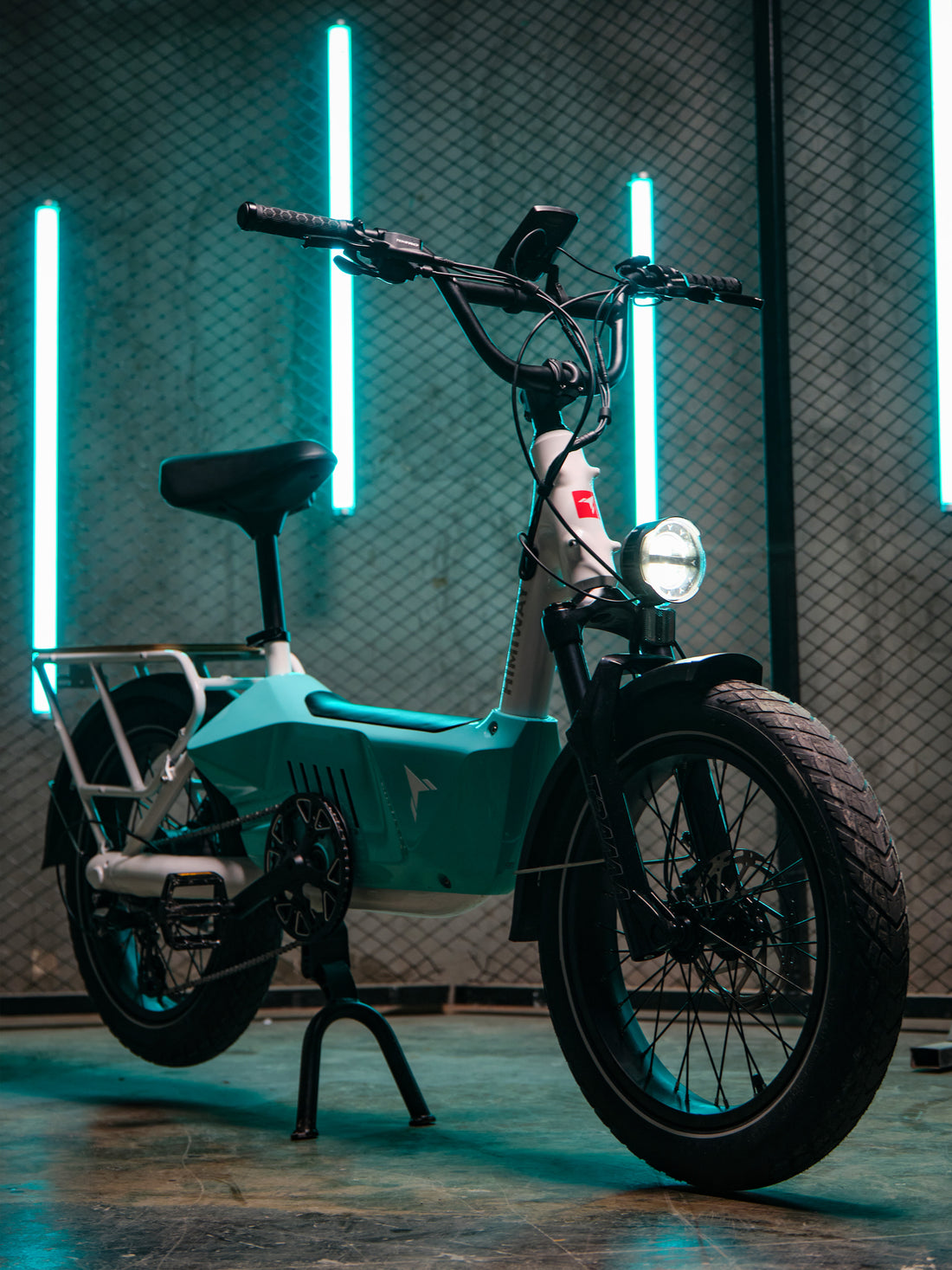
C3 / Cargo Ebike
-
80 Miles
Max Range
-
750W
Motor
-
960 Wh
Samsung/LG Battery
-
7-Speed
Shimano Altus M310
- Featured
- Most relevant
- Best selling
- Alphabetically, A-Z
- Alphabetically, Z-A
- Price, low to high
- Price, high to low
- Date, old to new
- Date, new to old
750 Watt Electric Bike Top Speed & Performance
A high-performance 750 watt ebike typically reaches a top speed of 20 to 28 mph (32 to 45 km/h). The maximum speed of your 750w electric bike for adults depends on legal classification modes, payload weight, motor torque, and terrain.
750 Watt e-Bike Speed by Class
- Class 1 (Pedal Assist Only): Reaches up to 20 mph. The 750W motor provides smooth boost only while actively pedaling.
- Class 2 (Throttle-Assisted): Caps out at a convenient 750 watt ebike 20 mph top speed using pure thumb or twist throttle without pedaling.
- Class 3 (Speed Pedal Assist): Hits an exhilarating 750 watt e-bike 28 mph top speed via pedal assist—the legal street maximum for public roads and commuter lanes across most US states. (Note: bikes equipped with throttles can switch modes down to Class 2 for legal throttle use).
- Off-Road / Unlocked Settings: Can reach 28 to 32+ mph on private property where regional software speed caps do not apply.
Real-World 750W eBike Speed & Power Comparison
Compared to smaller motors, the best 750 watt electric bike models don't just achieve higher street-legal speeds—they provide dramatically faster acceleration, sustained hill-climbing torque, and reliable payload handling.
| Motor Size | Average Top Speed | Hill Climbing & Acceleration |
|---|---|---|
| 500W | 20–22 mph | Moderate; struggles on steep 12%+ inclines |
| 750W | 20–28 mph | Strong; easily climbs hills with 80–90 Nm torque |
| 1000W | 30–35+ mph | Aggressive power; frequently restricted on public trails and streets |
Key Factors Affecting 750 Watt e-Bike Range and Speed
- Battery Capacity & Voltage: A high-capacity 48V or 52V battery maintains peak speed under load and expands your 750 watt e-bike range up to 65–80 miles per charge.
- Rider & Cargo Payload: Carrying heavier gear or passengers increases rolling drag, which slightly affects overall acceleration and battery consumption.
- Tire Selection: Pavement commuter tires reduce rolling friction for higher cruising efficiency, while rugged 4-inch all-terrain fat tires offer unyielding grip in sand, snow, and gravel.
Himiway D5 2.0 20" — The Compact 750W eBike with 28 MPH Class 3 Power
When you demand rapid acceleration, high torque, and expanded range in an agile package, the Himiway D5 2.0 20" delivers. Built around a powerful 750 watt ebike motor engineered for adults, it easily clocks 28 mph to keep pace with city traffic and weekend trails.
Power. Speed. Control.
- 750W Brushless Hub Motor — High-torque output that easily conquers steep grades, headwind resistance, and daily commutes.
- 28 MPH Top Speed — Class 3 pedal-assisted performance designed for fast, efficient urban transit.
- 20" x 4.0" Fat Tires — Lower center of gravity for nimble handling, superior shock absorption, and rock-solid stability on all surfaces.
- Dual Riding Modes — Effortless cadence and torque pedal assist modes, with seamless throttle cruise control for pure electric rides.
- Extended 750 Watt e-Bike Range — High-density lithium-ion battery system delivering up to 65 miles of real-world freedom.
- Heavy-Duty Himiway Frame — Engineered for adult riders, supporting heavy loads with exceptional durability.
Who It's For: Commuters seeking swift urban travel, campers wanting a space-saving powerhouse, and adult riders who want full 750W torque in an agile, easily transportable form factor.
Himiway D5 2.0 — The Best 750 Watt Electric Bike for Adults Who Love to Ride
The best 750 watt electric bike seamlessly merges human effort with motor output. The Himiway D5 2.0 combines an upgraded 750W powertrain with a responsive torque sensor, turning steep hills and long commutes into effortless gliding.
Pedal More. Work Less. Go Further.
- 750W Rear Hub Motor (90 Nm Torque) — Amplifies every pedal stroke to dominate tough inclines without breaking a sweat.
- Smart Multi-Level Pedal Assist (PAS) — Switch effortlessly between an active workout, relaxed cruising, or maximum motor boost.
- Class 2 Throttle on Demand — Enjoy pure electric power at 20 mph whenever your legs need a break.
- All-Terrain Fat-Tire Grip — Wide 4.0-inch tires smooth out rough roads, gravel trails, and potholes for a plush ride.
- Long-Range Battery Performance — Extended battery capacity ensures reliable 60–80 mile rides per single charge.
- Full-Suspension Comfort — Dual suspension absorbs road impacts, providing unmatched ride quality for daily riders.
The Best of Both Worlds: The D5 2.0 provides the cardiovascular benefits of cycling backed by relentless 750W power when headwinds or hills stand in your way.
Himiway D5 2.0 Camo — The 750W eBike Built with Dirt Bike DNA
Redefine off-road capability. The Himiway D5 2.0 Camo delivers aggressive dirt-bike attitude with all the legal utility of a premier 750 watt electric bike for adults. Powered by an 86–90 Nm motor, it turns trails and backcountry paths into your personal playground.
Raw Power. Off-Road Ready. Zero Emissions.
- 750W High-Torque Hub Motor — Instant torque delivery that powers across loose dirt, sand, and steep trails with authority.
- Dirt Bike-Inspired Geometry & Camo Finish — Rugged frame styling combined with an exclusive camo graphic that commands attention.
- Heavy-Duty Knobby Fat Tires — Wide, aggressive tread bites into loose gravel, mud, and uneven terrain for maximum traction.
- On-Demand Throttle & Multi-Level PAS — Twist-and-go throttle for immediate launch, plus adaptive pedal assist levels for extended off-road range.
- Full Suspension System — Engineered to soak up hard landings, rocks, and root-strewn tracks without rider fatigue.
- High-Capacity Long-Range Battery — Venture deep into the backcountry with total confidence and zero range anxiety.
Who It's For: Trail explorers and outdoor enthusiasts seeking dirt bike thrills in a street-legal, quiet, and eco-friendly 750w ebike platform.
Built dirty. Rides clean. The Himiway D5 2.0 Camo — 750 watt electric bike power with true off-road soul.
Himiway D5 2.0 — The 750W Fat Tire eBike Built to Go Anywhere
Not all paths are smooth asphalt. The Himiway D5 2.0 pairs a robust 750W motor with puncture-resistant 4-inch fat tires to create an all-weather electric bike that laughs at loose gravel, wet snow, mud, and sand.
Big Tires. Bigger Adventures.
- 750W Rear Hub Power — Sustained power output delivering smooth torque across steep climbs and soft, challenging terrains.
- All-Terrain Fat Tire Traction — Acts as a primary shock absorber, providing high ground contact and enhanced braking traction.
- Extended 750 Watt e-Bike Range — Optimized power management delivers up to 65–80 miles of riding per charge.
- Hydraulic Disc Brakes — Massive 180mm hydraulic stopping power ensures rapid, safe braking in all weather conditions.
- Reinforced All-Weather Frame — Durable 6061 aluminum construction supports high payloads and all-season riding.
Why Fat Tires Change Everything: Fat tires distribute rider weight over a wider contact patch, drastically increasing stability on slippery or uneven ground. On a 750W ebike, high motor torque and wide rubber work together to provide unmatched climbing traction and riding confidence.
Any road. Any weather. Any adventure. The Himiway D5 2.0 — 750W power on fat tires, built for riders who refuse limits.
750 Watt eBike 20 MPH — Street-Legal Efficiency & Torque
A 750 watt ebike 20 mph configuration represents the sweet spot of American e-bike regulations, aligning with Class 1 and Class 2 classifications for multi-use paths and urban commuting.
Why Choose a 20 MPH Cap on a 750W Motor?
- Full Trail & Bike Path Access: Complies with Class 2 limits, granting access to city bike lanes, boardwalks, and shared multi-use trails nationwide.
- Enhanced Rider Safety: Maximizes reaction time in dense urban pedestrian zones while retaining heavy torque.
- No Licensing or DMV Registration: Remains 100% bicycle-legal across all 50 states without registration or specialized insurance.
- Optimized Battery Range: Riding at 20 mph significantly reduces wind drag, maximizing single-charge battery range up to 80 miles.
- Motor Longevity: Keeps operating temperatures low for sustained motor life and reliability.
Advantages of 750W Power at 20 MPH
- Rapid Intersection Starts: High torque gets adult riders across busy intersections quickly and safely.
- Effortless Hill Climbing: Maintains full 20 mph cruising speeds up steep grades where 250W–500W motors bog down.
- Heavy Cargo Support: Effortlessly pulls cargo trailers and carries gear up to 400–440 lbs without speed degradation.
Why Choose a 750 Watt Electric Bike?
50-State Legal Compliance
- 750W is the federal legal ceiling for Class 1, 2, and 3 electric bikes
- Ride freely on roads and multi-use paths across the United States
- No driver's license, title, or DMV registration required
Optimal Power & Hill Climbing
- Conquer 15%+ grades easily with 80–90 Nm of motor torque
- Better energy efficiency and battery conservation than 1000W motors
- Smooth, responsive acceleration for safe commuting
Heavy-Duty Payload Capacity
- Supports 350 to 440 lbs total payload for adult riders and heavy gear
- Specially reinforced frames for two-passenger and cargo riding
- Rock-solid stability for adult riders weighing 250+ lbs
All-Terrain Versatility & Range
- Long-range batteries delivering 54 to 80 miles per single charge
- Puncture-resistant fat tires grip sand, snow, gravel, and rough asphalt
- Versatile builds for commuting, trail exploring, and cargo hauling
750W eBike Performance Specifications at a Glance
| Specification | 750W Performance Capability | Real-World Riding Advantage |
|---|---|---|
| Top Speed | 20 mph (Throttle) / 28 mph (Pedal Assist) | Keeps pace with city traffic; legal on designated bike paths |
| Torque Output | 80–90 Nm | Accelerates smoothly and powers up steep hills under full load |
| Payload Capacity | 350–440 lbs | Ideal for adult riders, heavy cargo, and dual-passenger setups |
| Battery Range | 54–80 miles | Provides multi-day commuting and long trail rides without recharging |
| Legal Status | Federal 3-Class Compliant | Ride with standard bicycle privileges across all 50 US states |
Featured 750 Watt Electric Bikes for Adults
Himiway D5 2.0
Premium All-Terrain Full-Suspension eBike
- 750W motor with 90 Nm peak climbing torque
- Full suspension: 130mm rear travel & 100mm front fork
- Up to 65-mile range & 400 lb heavy-duty capacity
- Adaptive Torque/Cadence dual-sensing power
- 3.5" full-color TFT display with OTA updates
Himiway D5 Zebra
Best Value Long-Range All-Rounder
- 750W brushless hub motor with 80 Nm torque
- Impressive 80-mile long-range battery system
- 400 lb payload capacity & 26"x4" Kenda fat tires
- Precision hydraulic disc brakes & torque sensor
- Smart LCD display with USB-C mobile charging
Himiway C3 Cargo
Heavy-Duty Utility & Cargo Specialist
- 750W motor delivering 86 Nm hauling torque
- 80-mile range powered by high-capacity 960Wh battery
- Class-leading 440 lb maximum payload rating
- Stable 20"x3" fat tires & heavy-duty dual kickstand
- Shimano 7-speed transmission & hydraulic brakes
750 Watt Electric Bike FAQs
What is a 750 watt electric bike top speed?
Under US federal regulations, a 750 watt electric bike top speed reaches 20 mph on throttle alone (Class 2) and up to 28 mph with pedal assist (Class 3). While some 750W motors can reach 30+ mph when unlocked for private off-road riding, 20–28 mph is the legal standard for streets and public trails.
Himiway's 750W electric bikes for adults feature selectable speed profiles, allowing you to commute at a fast 28 mph on main roads or keep to a legal 20 mph cap on multi-use bike paths.
What is the typical 750 watt e-bike range on a single charge?
The typical 750 watt e-bike range spans between 45 and 80+ miles per charge, depending on battery capacity (watt-hours), pedal-assist level, terrain grade, and payload. Models like the Himiway D5 Zebra and C3 Cargo utilize high-density 960Wh battery packs to deliver up to 80 miles of pedal-assisted riding, easily handling multi-day commutes or long-distance outdoor expeditions.
Is a 750w electric bike for adults powerful enough for steep hills and heavier riders?
Yes, a 750W e-bike provides ample torque for steep hills and adult riders over 250 lbs. While wattage indicates power consumption, torque (Nm) dictates actual hill climbing. With 80 to 90 Nm of torque, Himiway 750W models effortlessly scale 15% inclines without overheating or stalling.
- High Torque Output: The Himiway D5 2.0 outputs 90 Nm of torque for effortless acceleration under heavy loads.
- 400–440 lb Payload: Built on reinforced 6061 aluminum frames, Himiway 750W e-bikes comfortably support adult riders up to 300 lbs plus gear.
What is the best 750 watt electric bike on the market?
The Himiway D5 2.0 is widely recognized as the best 750 watt electric bike for all-terrain versatility, comfort, and value. It stands out by offering:
- Full Suspension System: 130mm rear and 100mm front inverted fork to eliminate trail vibration and back fatigue.
- High Peak Torque (90 Nm): Superior hill-climbing power paired with an adaptive dual cadence/torque sensor.
- 28 MPH Class 3 Speed & 65-Mile Range: Perfect speed for rapid commuting combined with all-day endurance.
- Premium Safety Equipment: TEKTRO hydraulic disc brakes, puncture-resistant 4-inch fat tires, and integrated turn signals.
Can a 750 watt ebike carry two people or heavy cargo?
Yes, provided the bike features a reinforced cargo frame rated for dual-passenger weights. The Himiway C3 Cargo offers a class-leading 440 lb payload capacity, an elongated rear carrier rack, and a heavy-duty double kickstand. Its 750W motor and 86 Nm torque provide steady 16–20 mph speeds even when carrying an adult passenger or heavy cargo loads.
Where can I legally ride a 750 watt e-bike in the United States?
Under US federal law (HR 727), 750 watts is the maximum legal motor power for electric bicycles to be treated as standard bicycles. 750W e-bikes are legal to ride on roads, bike lanes, and multi-use paths across all 50 states without vehicle registration, license plates, or driver's licenses.
When riding on pedestrian greenways or shared bike paths, switch to Class 2 mode (capped at 20 mph) to comply with local speed limits, while utilizing Class 3 pedal assist (up to 28 mph) on paved roadways.
What is the best 750W electric bike under $1,500?
The Himiway C3 Cargo ($1,399) represents the strongest value in the sub-$1,500 750W segment. It provides premium hydraulic disc brakes, an 80-mile long-range battery, and a massive 440 lb capacity—features rarely seen at this price point. For trail and recreational fat-tire riding, the Himiway Cruiser remains another proven, affordable choice.
Ride Further Together
Himi Riders
Recognition from knights around the world
5-Star Reviews
The knights give an honest opinion
Professional Review
What the professional media really thinks of us

1000+Shop

2-Year Warranty

15-Day Trial

Free Shipping
Find a Local Himiway Shop Near You
Looking for a hands-on experience?
Find a Himiway electric bike shop near you and schedule a test ride today.
Bikes for Every Ride


