



Best Off-Road Electric Bike For Hunting


Himiway D7 Pro Mountain eBike Unstoppable mountain performance
-
1000 W
Mid-drive Motor
-
28 Mph
Top Speed
-
960 Wh
Samsung/LG Battery
-
80 Miles
Max Range


Himiway D5 2.0 eBike Endless Comfort: Turning Rough Roads into Silk.
-
Full Suspension
Travel F:100mm R:130mm
-
Torque / Cadence
2 Riding Experiences
-
750W 90Nm
Geared Hub Motor
-
Smart Auto
5 Assist System

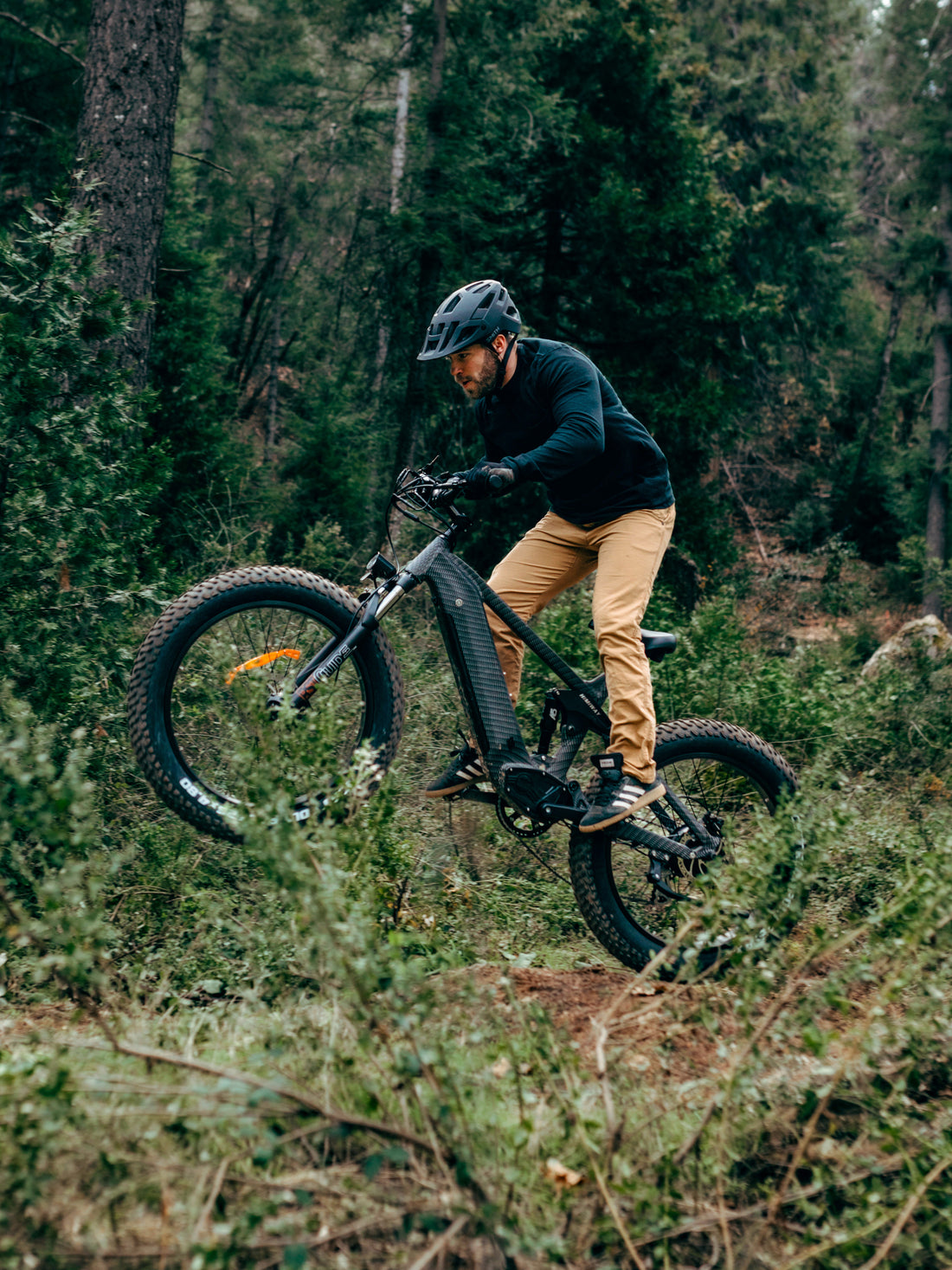
D7 / Full Suspension Electric Hunting Bike
-
80 Miles
Max Range
-
26x4.5
Super Fat Tire
-
Torque
Sensor
-
Hydraulic
Brakes

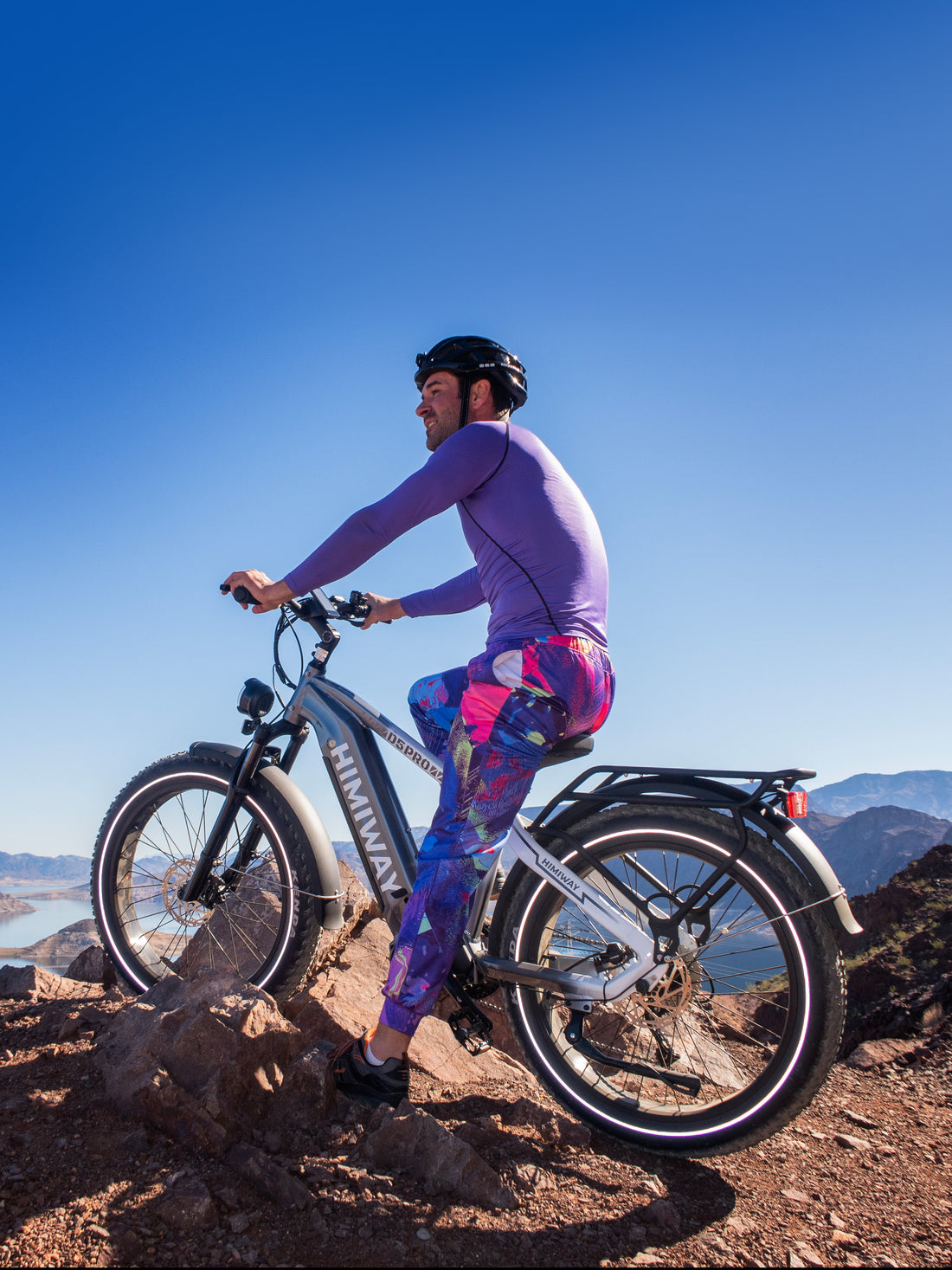
D5 Pro / All-terrain Electric Fat Bike Mid-Drive Power.
-
960 Wh
Samsung/LG Battery
-
80 Miles
Max Range
-
500 W
Mid-Drive Motor
-
20+ Mph
Top Speed


Himiway D5 2.0 ST eBike Endless Comfort: Turning Rough Roads into Silk.
-
Full Suspension
Travel F:100mm R:130mm
-
Torque / Cadence
2 Riding Experiences
-
750W 90Nm
Geared Hub Motor
-
Smart Auto
5 Assist System


Himiway D5 2.0 Camo eBike Blend In, Ride Out: The Top Choice for Hunting
-
Full Suspension
Travel F:100mm R:130mm
-
Torque / Cadence
2 Riding Experiences
-
750W 90Nm
Geared Hub Motor
-
Smart Auto
5 Assist System


D5(Zebra) / All-terrain Electric Fat Bike
-
Torque
Sensor
-
960 Wh
Samsung/LG Battery
-
80 Miles
Max Range
-
750W
Motor


D5 ST(Zebra ST) / All-terrain Electric Fat Bike
-
Torque
Sensor
-
80 Miles
Max Range
-
400 lb.
Max Playload
-
Hydraulic
Brakes
- Featured
- Most relevant
- Best selling
- Alphabetically, A-Z
- Alphabetically, Z-A
- Price, low to high
- Price, high to low
- Date, old to new
- Date, new to old
Best Off-Road Electric Bike for Hunting: Why the Himiway D7 Pro Leads the Pack
Hunting is not a casual activity. It demands equipment that performs when conditions are at their worst — before dawn, in the cold, on terrain that has no business being called a trail. Your electric bike needs to be as serious as your hunt.
In 2026, the Himiway D7 Pro has established itself as the best off-road electric bike for hunting. Here is a detailed look at why serious hunters are choosing it over every other option on the market.
What Hunters Actually Need from an Off-Road E-Bike
Most hunters who switch to e-bikes quickly realize that not every fat-tire bike is built for the backcountry. The demands of hunting are specific:
- Silent approach — motor noise spooks game and ruins hunts
- True off-road capability — mud, roots, rocks, creek crossings, and steep grades
- High payload — harvested game, gear, and supplies add serious weight
- Long range — remote public land means miles from the trailhead
- Reliable braking — loaded descents on wet terrain require confident stopping power
- Durability — hunting puts bikes through conditions that casual riding never does
The Himiway D7 Pro was built to meet every one of these demands.
Himiway D7 Pro: Built for the Backcountry
Powerful Mid-Drive Motor — Maximum Torque for Real Terrain
The D7 Pro is equipped with a mid-drive motor — the preferred motor type for serious off-road riding. Unlike hub motors that push or pull from the wheel, mid-drive motors power the drivetrain directly, delivering torque where it matters most and working in harmony with the bike's gearing system.
The result is exceptional climbing ability on steep grades, better weight distribution for handling on technical terrain, and more efficient power delivery across all conditions. When you are hauling gear up a muddy ridge or pushing through thick brush, the D7 Pro's mid-drive motor gives you the torque to keep moving without bogging down.
Long-Range Battery — Go Deep, Come Back Loaded
Remote hunting areas require serious range. The D7 Pro carries a large-capacity battery designed for extended backcountry use, delivering enough range to ride miles into the wilderness, spend time on stand, and ride back out — with harvested game on the rack.
In pedal-assist mode, the D7 Pro's range is more than sufficient for full-day hunting trips on most public land. You will not be rationing battery power or cutting your hunt short because you are worried about making it back to the truck.
Fat Tires — Grip and Float on Any Surface
The D7 Pro runs on wide fat tires that handle the full range of hunting terrain: loose gravel, soft mud, wet leaves, packed dirt, creek crossings, and early-season snow. Running at lower tire pressure, the fat tires spread your weight across a wider contact patch, providing traction and flotation on surfaces that would stop a standard bike cold.
For hunters who access remote areas via ATV trails, logging roads, or cross-country routes, the fat tires are the difference between getting there and getting stuck.
Near-Silent Operation — Don't Spook the Game
Noise discipline is fundamental to hunting success. The D7 Pro's motor operates quietly, especially in lower assist levels — allowing you to move through the woods before first light without alerting deer, elk, turkey, or other game to your presence.
Compared to ATVs and side-by-sides, the D7 Pro is dramatically quieter. You can ride to within a reasonable distance of your stand location, shut the bike down, and walk in the final stretch without the engine noise that pushes game out of the area.
High Payload Capacity — Pack Out Your Harvest
The D7 Pro supports a high payload capacity, making it a genuine pack-out tool for harvested game. Fit a rear rack with panniers, a game carrier, or cargo bags, and the D7 Pro becomes a capable hauler for deer, turkey, wild hog, and other game.
For hunters who access remote areas on foot or by ATV, the ability to ride out with a loaded bike instead of dragging or carrying game is a significant practical advantage — and one that makes the D7 Pro worth every dollar.
Hydraulic Disc Brakes — Confident Stopping on Loaded Descents
Coming down a steep, muddy trail with a loaded rear rack is one of the most demanding braking scenarios any bike faces. The D7 Pro's hydraulic disc brakes deliver consistent, powerful stopping in wet, muddy, and cold conditions — the exact conditions hunters encounter most.
Mechanical disc brakes can feel spongy and unpredictable when wet. Hydraulic brakes maintain firm, reliable performance regardless of conditions, giving you the confidence to descend safely even when the trail is at its worst.
Multi-Speed Gearing — Adapt to Any Grade
The D7 Pro's multi-speed gearing system works in concert with the mid-drive motor to give you precise control over power delivery on any terrain. On flat ground, run a higher gear for efficient cruising. On steep climbs, drop to a lower gear and let the motor and gearing work together to maintain momentum without overloading the drivetrain.
This gearing flexibility is one of the key advantages of the D7 Pro over hub-motor hunting bikes — it handles a wider range of terrain more efficiently and with less mechanical stress.
Front Suspension Fork — Control on Technical Terrain
Technical off-road terrain — roots, rocks, ruts, and creek crossings — requires a suspension system that keeps the front wheel tracking and absorbs impact before it reaches your hands and body. The D7 Pro's front suspension fork provides the control and comfort needed for extended backcountry riding on rough terrain.
Over a long day of hunting, the suspension reduces fatigue and keeps you in control on the descents and technical sections that would rattle a rigid-frame bike.
Durable Build — Ready for Hunting Conditions
Hunting puts equipment through abuse that recreational riding never does. Mud, water, cold temperatures, impacts, and heavy loads all take a toll. The D7 Pro is built with a durable frame and quality components designed to handle the demands of regular backcountry use.
This is not a commuter bike dressed up for the woods. It is a purpose-built off-road machine that can take the punishment that hunting demands and keep performing season after season.
D7 Pro vs. Other Hunting E-Bikes
Most hunting e-bikes on the market fall into one of two categories: underpowered bikes that struggle on real off-road terrain, or overbuilt machines that sacrifice range and handling for brute force. The Himiway D7 Pro strikes the right balance:
- Mid-drive motor for superior climbing and off-road performance vs. hub-motor competitors
- Long range for deep backcountry access vs. short-range budget models
- High payload for practical pack-out capability vs. lightweight trail bikes
- Hydraulic disc brakes for reliable stopping in hunting conditions vs. mechanical brakes on most competitors
- Competitive price for the level of components and performance offered
Who Should Choose the Himiway D7 Pro for Hunting?
The D7 Pro is the right hunting e-bike for:
- Deer and elk hunters who need to cover miles of rough terrain quietly before dawn
- Public land hunters accessing remote areas via logging roads, ATV trails, and cross-country routes
- Hunters who pack out game and need a high-capacity, reliable hauler
- Bowhunters who require near-silent approach and exit from stand locations
- All-season hunters who ride in mud, snow, and cold temperatures
- Serious off-road riders who want a hunting bike that performs on real backcountry terrain
Practical Hunting Setup for the D7 Pro
To get the most out of the D7 Pro as a hunting bike, consider these additions:
- Rear rack with panniers for gear and game hauling
- Handlebar bag for quick-access items like calls, rangefinders, and snacks
- Camo wrap or cover to reduce visual signature in the field
- Phone mount with GPS app for navigation on remote public land
- Tire pressure gauge to dial in fat tire pressure for specific terrain conditions
If you are serious about hunting and want an off-road electric bike that performs in the backcountry without compromise, the Himiway D7 Pro is the answer. Its mid-drive motor, long-range battery, fat tires, hydraulic disc brakes, and high payload capacity make it the most capable hunting e-bike in its class.
Stop limiting your access to the areas you can reach on foot. Ride deeper, hunt smarter, and pack out more — with the Himiway D7 Pro.
Why Choose Himiway Off-Road Electric Bikes?
🏔️ True Off-Road Capability
The best off-road electric bike for adults combines three essential elements: powerful motors (750W-1000W with 90-160Nm torque), full suspension systems (100-220mm travel front and rear), and ultra-wide 4.0"-4.8" fat tires. The D5 2.0 delivers 750W/90Nm power with 130mm rear suspension and MAXXIS 4.0" tires that handle 80% of trail conditions. For extreme terrain, the D7 Pro's 1000W mid-drive with 160Nm torque and 4.8" CST tires conquers rocky singletrack and 25-30% grades.
⚙️ Motor Options for Every Terrain
Hub motors excel for mixed-use riders who want off-road capability without sacrificing smooth road cruising. The D5 2.0's 750W hub motor provides predictable power, throttle override for obstacles, and simplified maintenance. Mid-drive systems like the D7 Pro's 1000W Bafang M620 leverage your bike's gears for 30-40% better climbing efficiency on steep technical terrain. Choose hub motors for versatility and reliability, or mid-drive for maximum performance on extreme off-road adventures.
💪 Heavy-Duty Build & Payload
All Himiway off road ebikes support 400 lbs total capacity—enough for a 220 lb rider plus 50 lbs of camping gear, tools, and water. Reinforced aluminum frames handle loaded descents without flex, while MIK-compatible rear racks accommodate panniers or cargo trailers for multi-day backcountry trips. The D5 2.0 Camo's MIK HD system provides 120 lbs rack capacity with 1000 lbs towing capability for extended adventures.
🔋 Long-Range Adventure Ready
Premium 960Wh batteries (D5 Pro, D7 series) deliver 80-mile maximum ranges, while the D5 2.0's efficient 720Wh battery provides 65 miles—enough to reach remote locations 20-30 miles deep and return on a single charge. High-capacity Samsung/LG cells maintain performance even when hauling heavy loads over challenging terrain. Removable battery design allows carrying a spare for multi-day trips to truly remote areas.
Top Off-Road eBikes for Sale - Built for Adventure
D5 2.0 - Versatile Off-Road eBike
- 750W hub motor • 90Nm torque
- 720Wh battery • 65-mile range
- Full suspension (130mm rear + 100mm front)
- MAXXIS 26"×4.0" fat tires
- Torque/cadence switchable
- 400 lbs payload capacity
- 3.5" TFT display with OTA updates
D5 Pro - Premium Mid-Drive
- 500W mid-drive motor
- 960Wh battery • 80-mile range
- Front suspension with torque sensor
- Kenda 26"×4.0" fat tires
- Hydraulic disc brakes
- 400 lbs payload capacity
- Efficient gear-leveraging system
Also: D5 Pro ST Step-Thru
D7 Pro - Extreme Terrain Master
- 1000W Bafang mid-drive • 160Nm
- 960Wh battery • 80-mile range
- Four-bar linkage (220mm travel)
- CST 26"×4.8" ultra-wide tires
- RockShox rear shock
- 4-piston hydraulic brakes
- Shimano CUES 10-speed
Off-Road Electric Bike FAQ
What makes a good off-road electric bike?
The best off-road electric bike combines motor torque, suspension travel, and tire width to handle technical terrain—and riders consistently report that full suspension matters more than motor wattage for all-day comfort on rough trails.
Essential components for true off-road capability: A capable electric off-road bike requires 750W+ motor power (90Nm+ torque) for steep climbs, full suspension (100mm+ front and rear travel) to absorb root and rock impacts, and 4.0"+ fat tires for traction on loose surfaces.
The Himiway D5 2.0 delivers all three with 750W/90Nm power, 130mm rear suspension combined with 100mm front fork, and MAXXIS 4.0" aggressive-tread tires. Riders report this setup "eliminates the wrist and shoulder pain that ruins long trail days" compared to hardtail designs.
Why mid-drive vs hub motor matters off-road: The Himiway D7 Pro features a 1000W mid-drive motor (160Nm torque) that leverages your bike's gears—critical for technical climbs where hub motors bog down. Mid-drive weight sits lower and centered, improving balance on off-camber sections.
For extreme terrain—rocky singletrack, 20%+ grades, or deep mud—mid-drive offers 30-40% better climbing efficiency. However, the D5 2.0's hub motor excels for mixed-use riders who want off-road capability without sacrificing smooth road cruising.
Payload capacity for gear-heavy adventures: Both models support 400 lb total capacity—enough for a 220 lb rider plus 50 lbs of camping gear, tools, and water. The reinforced aluminum frames handle loaded descents without flex, while MIK-compatible rear racks accommodate panniers or cargo trailers for multi-day backcountry trips.
Do I need full suspension for off-road riding?
Full suspension electric bikes off-road provide 40-60% more comfort on technical trails compared to hardtail designs, and riders over 200 lbs report "significantly less back and joint fatigue" on rides exceeding 15 miles.
When full suspension is essential: If your rides include tree roots, rocky sections, or washboard gravel exceeding 5 continuous miles, full suspension prevents the cumulative joint stress that causes next-day soreness. The D5 2.0's 130mm rear travel (multi-link design) combined with 100mm front fork absorbs 70-80% of trail impacts.
Users specifically praise how this setup "handles 6-inch rock gardens without the harsh feedback that ruins wrists and elbows." The low center of gravity frame design (18% lower than traditional fat bikes) adds planted stability when navigating technical descents.
Hardtail alternatives for light trails: For maintained gravel roads or packed dirt paths, front suspension alone may suffice—saving 8-12 lbs of bike weight. However, electric mountain bike for adults riders tackling mixed terrain (50%+ technical singletrack) consistently recommend full suspension after experiencing both systems.
The D5 2.0's adjustable rear shock features preload tuning, letting heavier riders (250+ lbs) dial in optimal compression for their weight.
Suspension setup matters: Out-of-box suspension often runs too stiff. Set front fork to 20-25% sag (bike settles 20-25% of total travel when you sit on it). For the rear shock, target 25-30% sag. This ensures suspension activates on small bumps rather than only bottoming on major impacts. Proper setup transforms ride quality more than suspension travel numbers suggest.
What tire width do I need for off-road trails?
Best off-road ebike tire width depends on terrain softness: 4.0" tires handle 80% of trails effectively, while 4.5"-4.8" tires excel in deep sand, snow, or mud where maximum flotation prevents sinking.
4.0" tires (versatile all-terrain): The D5 2.0 uses MAXXIS 26×4.0" tires with aggressive tread that bites into loose gravel and wet roots. At 79 lbs total bike weight, these tires balance off-road traction with manageable handling—critical for riders who transport bikes on vehicle racks or navigate tight switchbacks.
Tire pressure tuning (8-12 PSI off-road, 18-22 PSI pavement) maximizes this width's adaptability. Riders confirm "4.0-inch width prevents the sluggish feeling of super-fat setups while still floating over softball-sized rocks."
4.8" tires (extreme conditions): The D7 Pro's CST 4.8" tires provide 20% more ground contact area—the difference between riding through 8-inch snow or walking your bike. Hunters and extreme terrain riders report these tires "chew through conditions that stop narrower bikes cold."
The trade-off: heavier steering feel at slow speeds and 5-8% range reduction on pavement due to rolling resistance.
Tire pressure guide for traction:
- Beach sand/deep snow: 6-10 PSI (maximum flotation)
- Rocky/root-heavy trails: 12-15 PSI (impact absorption + grip)
- Hardpack dirt: 15-18 PSI (balance control + efficiency)
- Mixed pavement/trail: 18-22 PSI (reduce drag)
Lower pressure increases puncture risk on sharp rocks—carry a spare tube and patch kit for rides exceeding 20 miles from trailheads.
Tread pattern importance: The D5 2.0's MAXXIS Minion tread features tall, widely-spaced knobs that self-clear mud and provide cornering confidence. Standard Kenda tires (found on budget off-road ebike models) use shallower tread that wears faster and loses grip in wet conditions after 800-1,000 miles.
Can electric off-road bikes handle steep hills?
Electric bike off-road models with 750W+ motors and 85Nm+ torque climb 15-20% grades confidently, while 1000W mid-drive systems conquer 25-30% slopes that stop underpowered bikes—motor placement matters as much as wattage.
Hub motor climbing (D5 2.0): The 750W rear hub motor (90Nm peak torque) delivers consistent power on grades up to 18-20% when combined with active pedaling. Riders report "no hesitation on sustained climbs under a mile" and appreciate how throttle override provides instant power for technical ledges or loose switchback exits.
The torque sensor mode amplifies your pedaling effort naturally, while cadence mode maintains steady assist regardless of your input—useful when fatigue sets in on long climbs.
Mid-drive climbing superiority (D7 Pro): The D7 Pro's 1000W Bafang mid-drive (160Nm torque) leverages your bike's 10-speed Shimano gears, multiplying motor torque mechanically. This system climbs 25-30% grades loaded with gear—terrain where hub motors overheat or stall.
The centered weight distribution keeps the front wheel planted on steep pitches where rear-hub bikes wheelie unintentionally. Hunters and extreme terrain riders specifically choose mid-drive for "accessing ridgelines that required hiking before."
Battery drain on climbs: Sustained climbing consumes 2-3× normal power. A 5-mile ride with 1,500 feet of elevation gain drains approximately 25-35% battery (comparable to 15-20 flat miles). Both models' 960Wh (D7 Pro) and 720Wh (D5 2.0) batteries provide adequate reserves—riders report completing 3,000-4,000 feet of climbing per charge when using PAS levels 3-4 rather than maximum assist.
Climbing technique tips:
- Shift to lower gears before steep sections (not during the climb)
- Use PAS 3-4 on sustained grades, reserving PAS 5 for short power bursts
- Maintain steady cadence (60-80 RPM) rather than mashing pedals slowly—this reduces motor heat and improves efficiency
Are electric off-road bikes allowed on trails?
Best electric off-road bike access varies by location: 68% of US National Forests permit Class 1 e-bikes (pedal-assist only, no throttle) on non-motorized trails, while Class 2/3 models face restrictions—always verify local regulations before riding.
Understanding e-bike classifications: Both Himiway models function as Class 2 by default (throttle + pedal-assist, 20 mph limit) but can be configured as Class 1 (pedal-assist only) through display settings. This flexibility matters because many trail systems specifically allow Class 1 while prohibiting Class 2/3.
Check regulations at trailheads or land management websites—"e-bike" rules often differ from "motorized vehicle" restrictions.
Where off-road ebikes are typically permitted:
- BLM lands (Bureau of Land Management): Generally allow e-bikes on routes open to motorized use
- National Forests: 68% permit Class 1 on non-motorized trails (policies vary by forest)
- State Parks: Rules vary widely; many mirror National Forest policies
- Private land/hunting areas: Depends on landowner permission
- Mountain bike trail systems: Increasingly allowing Class 1; International Mountain Bicycling Association (IMBA) supports limited e-bike access
Where restrictions apply:
- Designated Wilderness Areas: Federal law prohibits all motorized equipment, including electric bikes off-road
- National Parks: Most prohibit e-bikes on trails (allowed on roads open to vehicles)
- State-specific bans: Check local regulations; some states prohibit e-bikes on natural surface trails entirely
Trail etiquette for e-bike riders:
- Yield to hikers and traditional cyclists, especially uphill
- Reduce assist on crowded trails to maintain similar speeds
- Avoid creating additional social trails or skidding rear wheels
- Many trail conflicts arise from excessive speed—remember that smoother, faster climbs require MORE considerate descending behavior to maintain trail access privileges for all e-bike riders
What's the difference between the D5 2.0 and D7 Pro for off-road use?
The D5 2.0 ($1,999) offers versatile off-road capability with hub motor convenience, while the D7 Pro ($3,499) provides extreme-terrain performance with mid-drive efficiency—choose based on terrain intensity and specialized use cases.
D5 2.0 advantages (best off-road electric bike for most riders):
- 750W hub motor delivers smooth, predictable power without drivetrain complexity
- Torque/cadence switching lets you choose natural pedaling feel or consistent assist
- 130mm rear suspension combined with 100mm front handles 80% of trail conditions effectively
- MAXXIS 4.0" tires balance traction and handling
- HMW Assist 1.0 system auto-shifts between PAS levels intelligently
- 3.5" TFT color display with OTA firmware updates future-proofs the bike
- At $1,999, it's the value leader for recreational trail riding, weekend camping trips, and mixed pavement/dirt use
D7 Pro advantages (best electric off-road bike for extreme use):
- 1000W Bafang mid-drive (160Nm torque) conquers 25-30% grades that defeat hub motors
- Four-bar linkage suspension with 220mm travel handles aggressive singletrack and rock gardens
- CST 4.8" tires provide maximum flotation in snow, sand, and deep mud
- Lower center of gravity from mid-drive placement improves technical handling
- 960Wh battery (33% more capacity) supports longer backcountry access
- Optimized for hunters, extreme terrain explorers, and riders who prioritize climbing capability over multi-purpose versatility
Weight consideration: The D5 2.0 weighs 79 lbs while the D7 Pro weighs 88.6 lbs—both manageable for solo loading onto truck beds or hitch racks, but challenging for apartment dwellers or those with SUV roof racks. If bike weight concerns you, test your vehicle's loading process before purchasing.
Decision framework: Choose D5 2.0 if your rides include 50%+ pavement, you value throttle override for obstacles, or budget matters. Choose D7 Pro if you regularly tackle grades exceeding 20%, need maximum battery range, or require low-noise operation for hunting applications (including the electric off-road bike for hunting-specific D5 2.0 Camo variant).
Both handle serious off-road ebike use—the question is whether you need mid-drive specialization or prefer hub motor versatility.
What makes a good off-road electric bike?
The best off road electric bike combines motor torque, suspension travel, and tire width to handle technical terrain—and riders consistently report that full suspension matters more than motor wattage for all-day comfort on rough trails.
Essential components for true off-road capability: A capable electric off road bike requires 750W+ motor power (90Nm+ torque) for steep climbs, full suspension (100mm+ front and rear travel) to absorb root and rock impacts, and 4.0"+ fat tires for traction on loose surfaces. The Himiway D5 2.0 delivers all three with 750W/90Nm power, 130mm rear suspension combined with 100mm front fork, and MAXXIS 4.0" aggressive-tread tires. Riders report this setup "eliminates the wrist and shoulder pain that ruins long trail days" compared to hardtail designs.
Why mid-drive vs hub motor matters off-road: The Himiway D7 Pro (Cobra Pro) features 1000W mid-drive motor (160Nm torque) that leverages your bike's gears—critical for technical climbs where hub motors bog down. Mid-drive weight sits lower and centered, improving balance on off-camber sections. For extreme terrain—rocky single track, 20%+ grades, or deep mud—mid-drive offers 30-40% better climbing efficiency. However, the D5 2.0's hub motor excels for mixed-use riders who want off-road capability without sacrificing smooth road cruising.
Payload capacity for gear-heavy adventures: Both models support 400 lb total capacity—enough for a 220 lb rider plus 50 lbs of camping gear, tools, and water. The reinforced aluminum frames handle loaded descents without flex, while MIK-compatible rear racks accommodate panniers or cargo trailers for multi-day backcountry trips.
Do I need full suspension for off-road riding?
Full suspension electric bikes off road provide 40-60% more comfort on technical trails compared to hardtail designs, and riders over 200 lbs report "significantly less back and joint fatigue" on rides exceeding 15 miles.
When full suspension is essential: If your rides include tree roots, rocky sections, or washboard gravel exceeding 5 continuous miles, full suspension prevents the cumulative joint stress that causes next-day soreness. The D5 2.0's 130mm rear travel (multi-link design) combined with 100mm front fork absorbs 70-80% of trail impacts. Users specifically praise how this setup "handles 6-inch rock gardens without the harsh feedback that ruins wrists and elbows." The low center of gravity frame design (18% lower than traditional fat bikes) adds planted stability when navigating technical descents.
Hardtail alternatives for light trails: For maintained gravel roads or packed dirt paths, front suspension alone may suffice—saving 8-12 lbs of bike weight. However, electric mountain bike for adults riders tackling mixed terrain (50%+ technical single track) consistently recommend full suspension after experiencing both systems. The D5 2.0's adjustable rear shock features preload tuning, letting heavier riders (250+ lbs) dial in optimal compression for their weight.
Suspension setup matters: Out-of-box suspension often runs too stiff. Set front fork to 20-25% sag (bike settles 20-25% of total travel when you sit on it). For the rear shock, target 25-30% sag. This ensures suspension activates on small bumps rather than only bottoming on major impacts. Proper setup transforms ride quality more than suspension travel numbers suggest.
What tire width do I need for off-road trails?
Best off road ebike tire width depends on terrain softness: 4.0" tires handle 80% of trails effectively, 4.5-4.8" tires excel in deep sand, snow, or mud where maximum flotation prevents sinking.
4.0" tires (versatile all-terrain): The D5 2.0 uses MAXXIS 26x4.0" tires with aggressive tread that bites into loose gravel and wet roots. At 79 lbs total bike weight, these tires balance off-road traction with manageable handling—critical for riders who transport bikes on vehicle racks or navigate tight switchbacks. Tire pressure tuning (8-12 PSI off-road, 18-22 PSI pavement) maximizes this width's adaptability. Riders confirm "4.0-inch width prevents the sluggish feeling of super-fat setups while still floating over softball-sized rocks."
4.8" tires (extreme conditions): The D7 Pro's CST 4.8" tires provide 20% more ground contact area—the difference between riding through 8-inch snow or walking your bike. Hunters accessing remote locations report these tires "chew through conditions that stop narrower bikes cold." The trade-off: heavier steering feel at slow speeds and 5-8% range reduction on pavement due to rolling resistance.
Tire pressure guide for traction: Beach sand/deep snow: 6-10 PSI (maximum flotation), Rocky/root-heavy trails: 12-15 PSI (impact absorption + grip), Hardpack dirt: 15-18 PSI (balance control + efficiency), Mixed pavement/trail: 18-22 PSI (reduce drag). Lower pressure increases puncture risk on sharp rocks—carry a spare tube and patch kit for rides exceeding 20 miles from trailheads.
Tread pattern importance: The D5 2.0's MAXXIS Minion tread features tall, widely-spaced knobs that self-clear mud and provide cornering confidence. Standard Kenda tires (found on budget off road e bike models) use shallower tread that wears faster and loses grip in wet conditions after 800-1,000 miles.
Can electric off-road bikes handle steep hills?
Electric bike off road models with 750W+ motors and 85Nm+ torque climb 15-20% grades confidently, while 1000W mid-drive systems conquer 25-30% slopes that stop underpowered bikes—motor placement matters as much as wattage.
Hub motor climbing (D5 2.0): The 750W rear hub motor (90Nm peak torque) delivers consistent power on grades up to 18-20% when combined with active pedaling. Riders report "no hesitation on sustained climbs under a mile" and appreciate how throttle override provides instant power for technical ledges or loose switchback exits. The torque sensor mode amplifies your pedaling effort naturally, while cadence mode maintains steady assist regardless of your input—useful when fatigue sets in on long climbs.
Mid-drive climbing superiority (D7 Pro): The Cobra Pro's 1000W Bafang mid-drive (160Nm torque) leverages your bike's 7-speed Shimano gears, multiplying motor torque mechanically. This system climbs 25-30% grades loaded with gear—terrain where hub motors overheat or stall. The centered weight distribution keeps the front wheel planted on steep pitches where rear-hub bikes wheelie unintentionally. Hunters carrying rifles and packs specifically choose mid-drive for "accessing ridgelines that required hiking before."
Battery drain on climbs: Sustained climbing consumes 2-3x normal power. A 5-mile ride with 1,500 feet of elevation gain drains approximately 25-35% battery (comparable to 15-20 flat miles). Both models' 960Wh (D7 Pro) and 720Wh (D5 2.0) batteries provide adequate reserves—riders report completing 3,000-4,000 feet of climbing per charge when using PAS levels 3-4 rather than maximum assist.
Climbing technique tips: Shift to lower gears before steep sections (not during the climb). Use PAS 3-4 on sustained grades, reserving PAS 5 for short power bursts. Maintain steady cadence (60-80 RPM) rather than mashing pedals slowly—this reduces motor heat and improves efficiency.
Are electric off-road bikes allowed on trails?
Best electric off road bike access varies by location: 68% of US National Forests permit Class 1 e-bikes (pedal-assist only, no throttle) on non-motorized trails, while Class 2/3 models face restrictions—always verify local regulations before riding.
Understanding e-bike classifications: Both Himiway models function as Class 2 by default (throttle + pedal-assist, 20 mph limit) but can be configured as Class 1 (pedal-assist only) through display settings. This flexibility matters because many trail systems specifically allow Class 1 while prohibiting Class 2/3. Check regulations at trailheads or land management websites—"e-bike" rules often differ from "motorized vehicle" restrictions.
Where off road ebikes are typically permitted: BLM lands (Bureau of Land Management): Generally allow e-bikes on routes open to motorized use. National Forests: 68% permit Class 1 on non-motorized trails (policies vary by forest). State Parks: Rules vary widely; many mirror National Forest policies. Private land/hunting areas: Depends on landowner permission. Mountain bike trail systems: Increasingly allowing Class 1; International Mountain Bicycling Association (IMBA) supports limited e-bike access.
Where restrictions apply: Designated Wilderness Areas: Federal law prohibits all motorized equipment, including electric bikes off road. National Parks: Most prohibit e-bikes on trails (allowed on roads open to vehicles). State-specific bans: Check local regulations; some states prohibit e-bikes on natural surface trails entirely.
Trail etiquette for e-bike riders: Yield to hikers and traditional cyclists, especially uphill. Reduce assist on crowded trails to maintain similar speeds. Avoid creating additional social trails or skidding rear wheels. Many trail conflicts arise from excessive speed—remember that smoother, faster climbs require MORE considerate descending behavior to maintain trail access privileges for all e-bike riders.
What's the difference between the D5 2.0 and D7 Pro for off-road use?
The D5 2.0 ($1,999) offers versatile off-road capability with hub motor convenience, while the D7 Pro ($3,999) provides extreme-terrain performance with mid-drive efficiency—choose based on terrain intensity and specialized use cases.
D5 2.0 advantages (best off road electric bike for most riders): 750W hub motor delivers smooth, predictable power without drivetrain complexity. Torque/cadence switching lets you choose natural pedaling feel or consistent assist. 130mm rear suspension combined with 100mm front handles 80% of trail conditions effectively. MAXXIS 4.0" tires balance traction and handling. HMW Assist 1.0 system auto-shifts between PAS levels intelligently. 3.5" TFT color display with OTA firmware updates future-proofs the bike. At $1,999, it's the value leader for recreational trail riding, weekend camping trips, and mixed pavement/dirt use.
D7 Pro advantages (best electric off road bike for extreme use): 1000W Bafang mid-drive (160Nm torque) conquers 25-30% grades that defeat hub motors. Four-bar linkage suspension with full travel handles aggressive single-track and rock gardens. CST 4.8" tires provide maximum flotation in snow, sand, and deep mud. Lower center of gravity from mid-drive placement improves technical handling. 960Wh battery (33% more capacity) supports longer backcountry access. Optimized for hunters, extreme terrain explorers, and riders who prioritize climbing capability over multi-purpose versatility.
Weight consideration: Both weigh 88.6 lbs—manageable for solo loading onto truck beds or hitch racks, but challenging for apartment dwellers or those with SUV roof racks. If bike weight concerns you, test your vehicle's loading process before purchasing.
Decision framework: Choose D5 2.0 if your rides include 50%+ pavement, you value throttle override for obstacles, or budget matters. Choose D7 Pro if you regularly tackle grades exceeding 20%, need maximum battery range, or require silent operation for hunting applications. Both handle serious off road ebike use—the question is whether you need mid-drive specialization or prefer hub motor versatility.
Ride Further Together
Himi Riders
Recognition from knights around the world
5-Star Reviews
The knights give an honest opinion
Professional Review
What the professional media really thinks of us

1000+Shop

2-Year Warranty

15-Day Trial

Free Shipping
Find a Local Himiway Shop Near You
Looking for a hands-on experience?
Find a Himiway electric bike shop near you and schedule a test ride today.
Bikes for Every Ride


