


class 2 ebike


Himiway D5 2.0 20" eBike Easy to Maneuver. Built for Power.
-
Full Suspension
Travel F:90mm R:100mm
-
Torque / Cadence
2 Riding Experiences
-
750W 90Nm
Geared Hub Motor
-
440 lb.
Payload Capacity


Himiway D5 2.0 eBike Endless Comfort: Turning Rough Roads into Silk.
-
Full Suspension
Travel F:100mm R:130mm
-
Torque / Cadence
2 Riding Experiences
-
750W 90Nm
Geared Hub Motor
-
Smart Auto
5 Assist System


Himiway D5 2.0 ST eBike Endless Comfort: Turning Rough Roads into Silk.
-
Full Suspension
Travel F:100mm R:130mm
-
Torque / Cadence
2 Riding Experiences
-
750W 90Nm
Geared Hub Motor
-
Smart Auto
5 Assist System


Himiway D5 2.0 Camo eBike Blend In, Ride Out: The Top Choice for Hunting
-
Full Suspension
Travel F:100mm R:130mm
-
Torque / Cadence
2 Riding Experiences
-
750W 90Nm
Geared Hub Motor
-
Smart Auto
5 Assist System


Himiway A7 Commuter eBike Full Suspension, Pure Comfort.
-
Full Suspension
Travel F:120mm R:90mm
-
Torque / Cadence
2 Riding Experiences
-
Smart Auto
5 Assist System
-
70 Miles
Per Charge

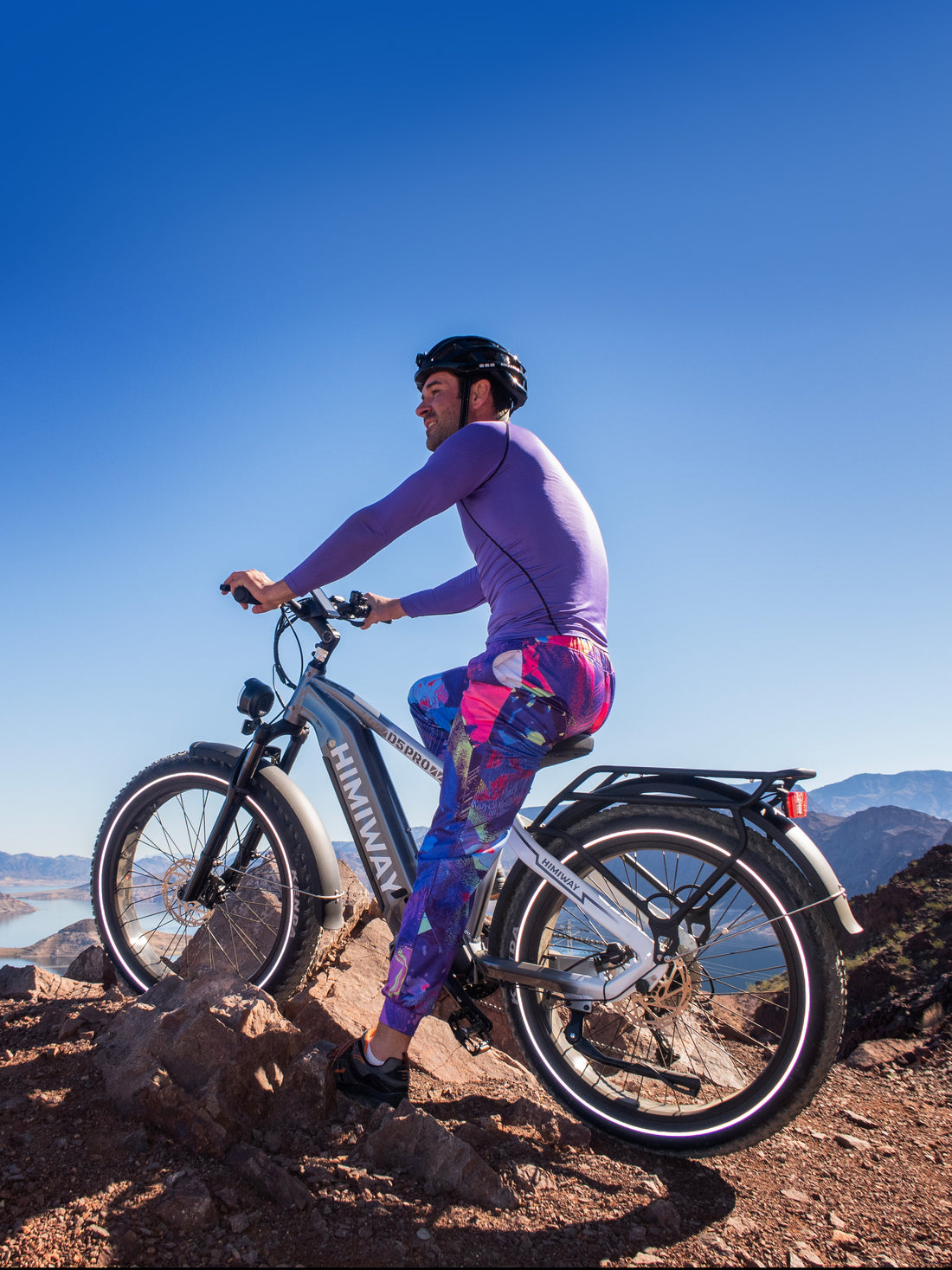

D5 Pro / All-terrain Electric Fat Bike Mid-Drive Power.
-
960 Wh
Samsung/LG Battery
-
80 Miles
Max Range
-
500 W
Mid-Drive Motor
-
20+ Mph
Top Speed

D5 Pro ST / All-terrain Electric Fat Bike Mid-Drive Power
-
960 Wh
Samsung/LG Battery
-
80 Miles
Max Range
-
500 W
Mid-Drive Motor
-
20+ Mph
Top Speed


D5 ST(Zebra ST) / All-terrain Electric Fat Bike Great-value all terrain fat tire ebike
-
Torque
Sensor
-
80 Miles
Max Range
-
400 lb.
Max Playload
-
Hydraulic
Brakes


D5(Zebra) / All-terrain Electric Fat Bike Great value all terrain fat tire ebike
-
Torque
Sensor
-
960 Wh
Samsung/LG Battery
-
80 Miles
Max Range
-
750W
Motor

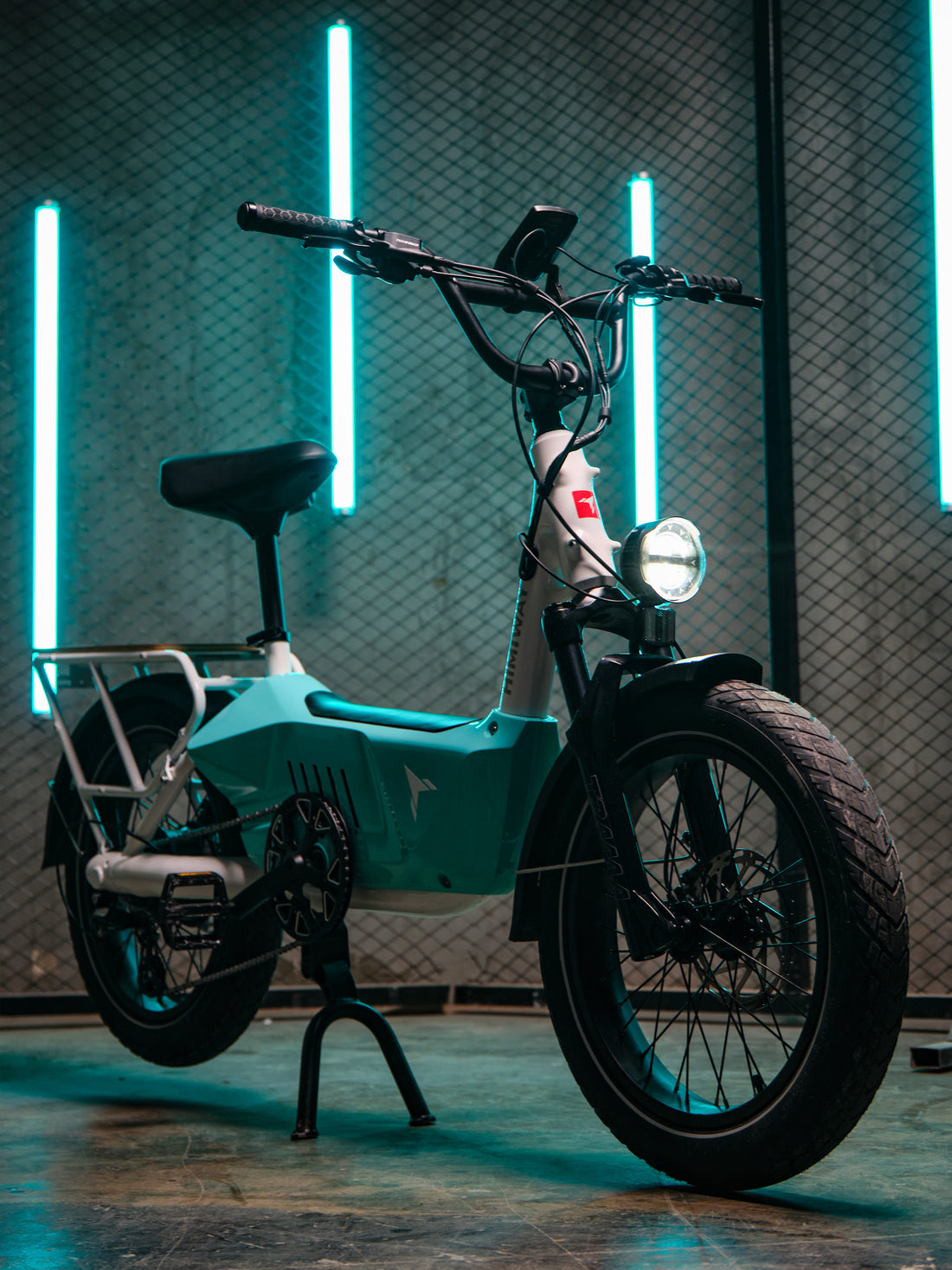

C3 / Cargo Ebike
-
80 Miles
Max Range
-
750W
Motor
-
960 Wh
Samsung/LG Battery
-
7-Speed
Shimano Altus M310

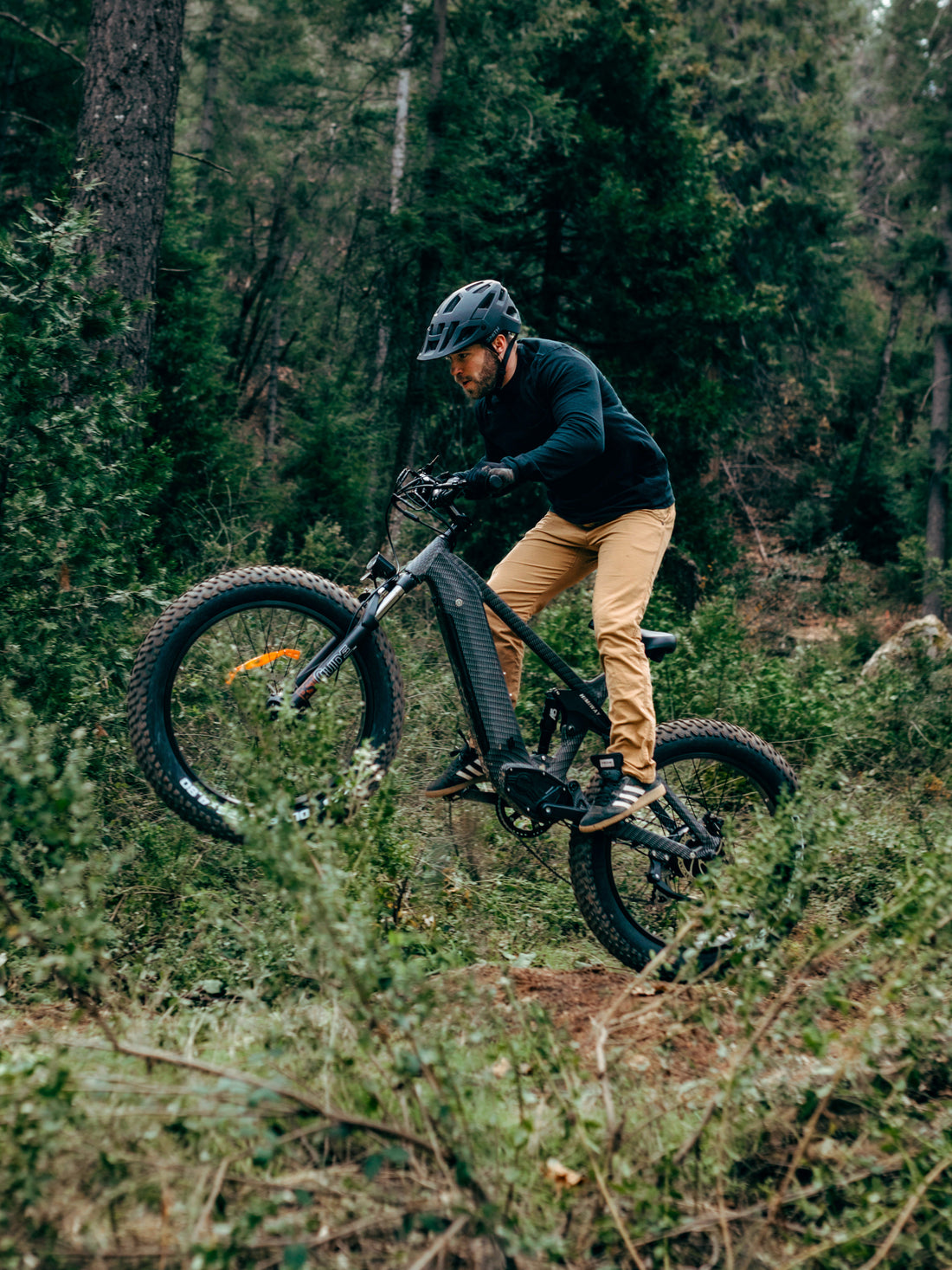

D7 / Full Suspension Electric Hunting Bike High performance all terrain ebike
-
80 Miles
Max Range
-
26x4.5
Super Fat Tire
-
Torque
Sensor
-
Hydraulic
Brakes


Himiway D7 Pro Mountain eBike Unstoppable mountain performance
-
1000 W
Mid-drive Motor
-
28 Mph
Top Speed
-
960 Wh
Samsung/LG Battery
-
80 Miles
Max Range
- Featured
- Most relevant
- Best selling
- Alphabetically, A-Z
- Alphabetically, Z-A
- Price, low to high
- Price, high to low
- Date, old to new
- Date, new to old
What Is a Class 2 Electric Bike?
A Class 2 electric bike is an electric bicycle equipped with both a pedal-assist system and a throttle that can propel the bike without requiring the rider to pedal. Under the widely used three-class e-bike classification system in the United States, its motor assistance must stop when the bike reaches 20 mph.

Unlike a Class 1 e-bike, which only provides motor assistance while pedaling, a Class 2 e-bike allows riders to use the throttle to accelerate, maintain speed, or move forward without continuously pedaling.
Key characteristics of a Class 2 e-bike include:
- Throttle operation: The motor can propel the bike without pedaling, up to 20 mph.
- Pedal assistance: Riders can also pedal while receiving electric motor assistance.
- Speed limit: Motor assistance is limited to 20 mph.
- Motor: Motor power and wattage depend on the model and applicable state regulations.
- Riding flexibility: Riders can choose between throttle operation and pedal-assist riding.
- Braking system: Quality models typically feature mechanical or hydraulic disc brakes for reliable stopping power.
Class 2 e-bikes are popular among commuters, recreational cyclists, and riders who want additional assistance when starting from a stop, climbing hills, or riding longer distances.
One important distinction: the 20 mph limit applies to motor assistance, not necessarily the bike's maximum speed when traveling downhill or under human power.
Class 2 eBikes: Power, Versatility, and Throttle-On-Demand
Looking for an adaptable, sweat-free ride? Class 2 ebikes strike an ideal balance between everyday utility, reliable performance, and legal accessibility. Unlike pedal-only models, a Class 2 electric bike features both pedal assist and an on-demand throttle—giving you full control to cruise effortlessly, conquer steep hills, or pedal whenever you want a workout.
Class 2 eBike Speed & Operation (20 mph Limit)
Standard Class 2 ebike speed is legally capped at an assisted top speed of 20 mph (32 km/h). The motor provides propulsion through two intuitive modes:
- Throttle-Only Mode: Twist or press the throttle to reach up to 20 mph without pedaling. Ideal for stop-and-go urban commutes, busy intersections, or resting tired legs.
- Pedal-Assist System (PAS): The motor seamlessly amplifies your pedaling cadence across selectable assistance levels up to 20 mph.
Once you reach 20 mph, motor assist automatically cuts off to maintain compliance with federal and state regulations. You can still exceed 20 mph using pure leg effort or gravity on downhills.
Class 2 e-Bike Rules & Regulations
Understanding Class 2 e-bike rules ensures legal, hassle-free riding across shared infrastructure:
- Motor Output Limit: Standards across most jurisdictions cap continuous motor power at 750 watts (750W / 1 horsepower).
- Broad Trail & Path Access: Sharing the same 20 mph assisted cap as Class 1, Class 2 e-bikes are road-legal and widely permitted on standard bike paths, protected lanes, and multi-use greenways where faster Class 3 ebikes may be restricted.
- No License or Registration Needed: In most U.S. states, Class 2 ebikes do not require a driver's license, vehicle registration, or insurance.
Class 2 eBike vs. Class 1 vs. Class 3: Key Differences
The main differences between Class 1, Class 2, and Class 3 electric bikes are their throttle functionality and maximum motor-assisted speeds. Understanding these differences can help you choose the right e-bike for commuting, recreational riding, and everyday transportation.
| Features | Class 1 eBike | Class 2 eBike | Class 3 eBike |
|---|---|---|---|
| Pedal Assist | Yes | Yes | Yes |
| Throttle | No | Yes | No |
| Motor-Assisted Speed | Up to 20 mph | Up to 20 mph | Up to 28 mph |
| Motor Operation | Pedaling required | Throttle or pedaling | Pedaling required |
| Best For | Fitness and recreational riding | Commuting and versatile everyday riding | Faster commuting and longer road rides |
| Typical Riding Areas | Bike lanes, roads, and permitted paths | Roads, bike lanes, and permitted paths | Roads and designated bike lanes |
Which Class Should You Choose?
- Class 1: Best for riders who prefer traditional cycling with additional pedal assistance.
- Class 2: Best for riders who want the flexibility of throttle operation without continuously pedaling. It offers a convenient balance of comfort and performance.
- Class 3: Best for experienced commuters who want higher pedal-assisted speeds of up to 28 mph.
What Is the Best Class 2 E-Bike for adults for the Money?
The best Class 2 e-bike for adults for the money depends on your priorities, including motor performance, battery capacity, riding range, suspension, comfort, payload capacity, and overall price.
When comparing Class 2 electric bikes, the Himiway D5 2.0 20", Lectric XPeak2, and Aventon Aventure 3 are three interesting fat-tire options.
Class 2 E-Bike Comparison
| Specification | Himiway D5 2.0 20" | Lectric XPeak2 | Aventon Aventure 3 |
|---|---|---|---|
Approx. price | $1,999 | $1,499 | $1,999 |
Motor | 750W | 750W | 750W |
Peak motor power | 1,300W* | 1,310W | 1,440W in Boost mode |
Motor torque | 90Nm | 85Nm | 80Nm |
Battery | 48V 15Ah | 48V 15Ah | 36V 20Ah |
Battery capacity | 720Wh | 720Wh | 733Wh |
Advertised range | Up to 70 miles | Up to 60 miles | Up to 65 miles |
Throttle | Yes | Yes | Yes |
Maximum Class 2 assisted speed | 20 mph | 20 mph | 20 mph |
Tires | 20" × 4.0" | 26" × 4.0" | 26" × 4.0" |
Suspension | Full suspension | Front suspension | Front suspension + suspension seatpost |
Payload capacity | 440 lbs | 330 lbs | 400 lbs |
Bike weight | 80 lbs | 64.5 lbs without battery | 76 lbs |
The D5 2.0 20" stands out for riders who prioritize comfort, stability, and carrying capacity. Its full-suspension design provides an advantage over competitors with front suspension only. Its 20-inch wheels also offer a more compact riding platform than conventional 26-inch fat-tire bikes.

Key Features to Consider When Buying a Class 2 E-Bike
Before purchasing a Class 2 electric bike, consider these important features:
- Motor Power and Torque: A 750W motor with higher torque can provide strong acceleration and climbing assistance.
- Battery Capacity: Look for sufficient watt-hours (Wh) to meet your daily riding needs.
- Throttle and PAS: Check throttle responsiveness and adjustable pedal-assist levels.
- Brakes: Hydraulic disc brakes offer reliable stopping power.
- Tires and Suspension: Fat tires and full suspension improve comfort on uneven surfaces.
- Payload Capacity: Choose a bike that supports your weight and additional cargo.
- Safety and Warranty: Check battery certifications, integrated lights, and warranty coverage.
How Fast Can a Class 2 E-Bike Go?
A Class 2 e-bike can reach 20 mph using motor assistance, whether through the throttle or pedal-assist system.
Riders may travel faster through their own pedaling power or downhill momentum, but the motor must stop providing assistance at 20 mph in Class 2 mode.
Is a Class 2 E-Bike Good for Commuting?
Yes. Class 2 e-bikes are excellent for everyday commuting because they combine throttle convenience with pedal assistance.
Benefits include:
- Less physical effort during daily rides.
- Easy acceleration from traffic stops.
- Assistance when climbing hills.
- Convenient transportation for errands and short trips.
The Himiway D5 2.0 20" adds full suspension, integrated lights, a rear rack, and a 720Wh battery, making it a versatile commuting option.
Can a Class 2 E-Bike Climb Hills?
Yes. A Class 2 e-bike can climb hills with motor assistance. Its climbing ability depends on motor torque, battery output, gearing, rider weight, and terrain.
For example, the Himiway D5 2.0 20" features a 750W motor with 90Nm of torque, providing strong assistance on uphill rides. Using a lower gear and pedal assistance can further improve climbing performance.
How Far Can a Class 2 E-Bike Travel?
Most Class 2 e-bikes offer approximately 20–70 miles or more per charge, depending on battery capacity and riding conditions.
The Himiway D5 2.0 20" features a 48V 15Ah (720Wh) battery with advertised ranges of:
- Throttle-only: Up to 40 miles.
- Pedal assist: Up to 70 miles.
Rider weight, terrain, speed, temperature, and throttle usage can affect actual range.
Are Class 2 E-Bikes Street Legal?
Yes. Class 2 e-bikes are generally legal on public roads in many US states when they meet local e-bike requirements.
However, riding restrictions may apply to:
- Public roads and designated bike lanes.
- Sidewalks and shared-use paths.
- State parks and mountain bike trails.
In many states, compliant Class 2 e-bikes do not require a driver's license or vehicle registration. However, local age, helmet, and equipment requirements may apply.
Always verify state and local laws before riding.
Class 2 E-Bike FAQs
Does the Himiway D5 2.0 20" Have a Walk Mode?
Yes. The Himiway D5 2.0 20" features a walk mode with a speed range of 1.9–3.7 mph. It helps you move the bike alongside you when walking through parking areas, ramps, or other places where riding is inconvenient.
What Is the Difference Between Torque and Cadence Sensors?
A torque sensor measures how hard you pedal and adjusts motor assistance accordingly. A cadence sensor detects pedal rotation and activates assistance based on your selected settings. The Himiway D5 2.0 20" supports both modes, allowing riders to switch between responsive power delivery and smoother, consistent assistance.
Can I Ride a Class 2 E-Bike in the Rain?
Many electric bikes can handle some wet-weather exposure, but their water-resistance ratings vary. The Himiway D5 2.0 20" has an IPX5 rating for the complete bike and IPX6 for its battery. Avoid submerging the bike or using high-pressure water when cleaning it. Always dry electrical connections before charging.
How Much Weight Can the Himiway D5 2.0 20" Carry?
The Himiway D5 2.0 20" has a maximum payload capacity of 440 lbs, with a recommended maximum rider weight of 265 lbs. Its rear rack supports up to 120 lbs, making it suitable for carrying groceries, commuting essentials, and other cargo. Always stay within the specified weight limits.
How Heavy Is the Himiway D5 2.0 20"?
The Himiway D5 2.0 20" weighs approximately 80 lbs. Its full-suspension design and fat tires provide additional comfort and stability, but its weight is worth considering if you regularly need to carry your e-bike upstairs or load it onto a vehicle rack.
What Maintenance Does a Class 2 Electric Bike Need?
Regular maintenance helps keep your electric bike safe and reliable. Check tire pressure, inspect brake pads, lubricate the chain, tighten loose bolts, and examine electrical connections. Keep the battery clean and dry, and follow the manufacturer's charging and storage instructions.
Ride Further Together
Himi Riders
Recognition from knights around the world
5-Star Reviews
The knights give an honest opinion
Professional Review
What the professional media really thinks of us

1000+Shop

2-Year Warranty

15-Day Trial

Free Shipping
Find a Local Himiway Shop Near You
Looking for a hands-on experience?
Find a Himiway electric bike shop near you and schedule a test ride today.
Bikes for Every Ride


