


 Up To $1,000 OFF
Himiway Electric Bikes

1000+Shop

2-Year Warranty

15-Day Trial

Free Shipping

Local Support


Himiway D5 2.0 20" eBike Easy to Maneuver. Built for Power.
-
Full Suspension
Travel F:90mm R:100mm
-
Torque / Cadence
2 Riding Experiences
-
750W 90Nm
Geared Hub Motor
-
440 lb.
Payload Capacity


Himiway D5 2.0 ST eBike Endless Comfort: Turning Rough Roads into Silk.
-
Full Suspension
Travel F:100mm R:130mm
-
Torque / Cadence
2 Riding Experiences
-
750W 90Nm
Geared Hub Motor
-
Smart Auto
5 Assist System


Himiway C1 Kids eBike Perfect Gift Surprise for Kids!
-
40~50 Miles
Per Charge
-
165 lbs
Payload Capacity
-
360 Wh
Samsung/LG Battery
-
350 W
Geared Hub Motor

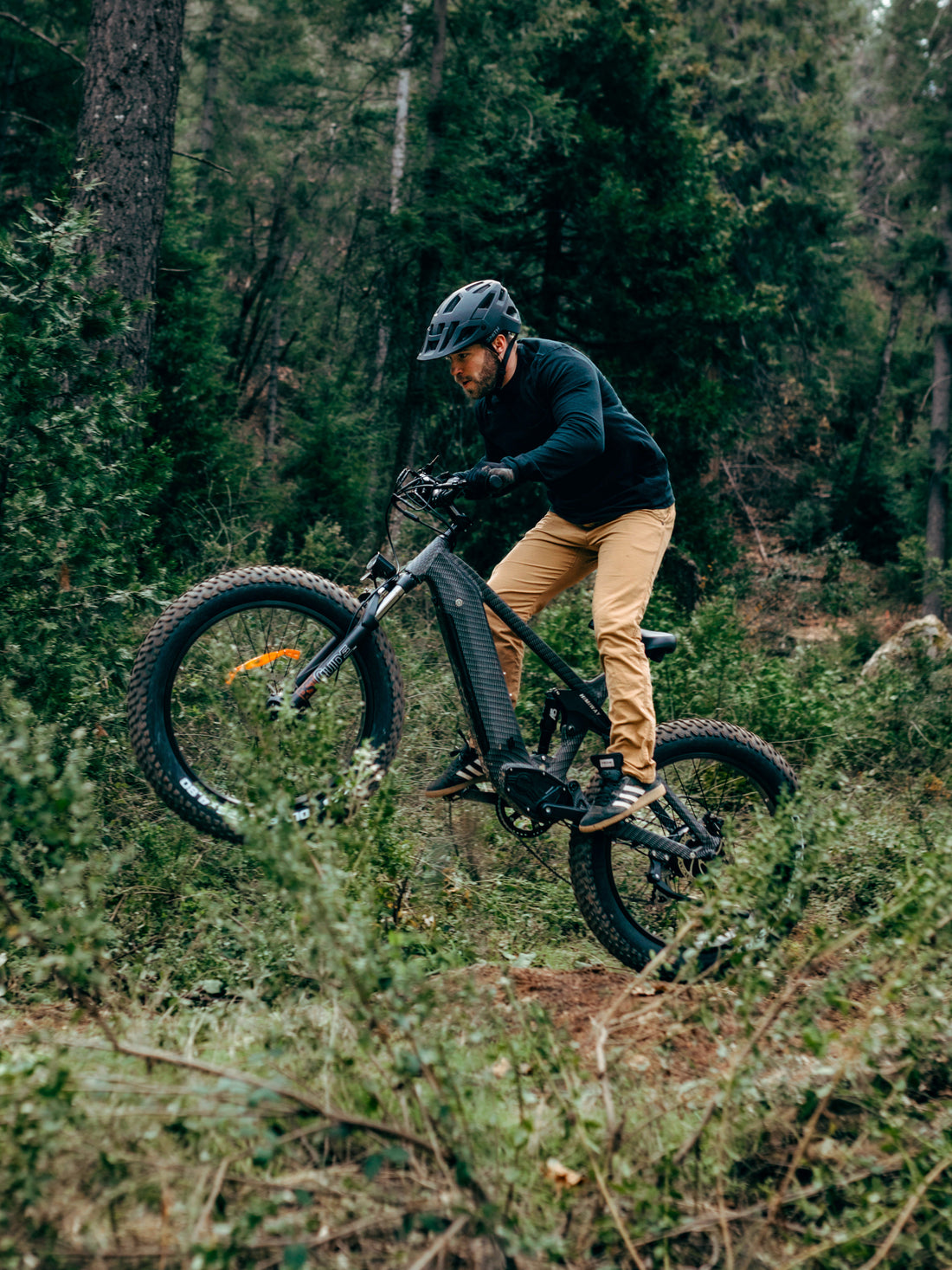

D7 / Full Suspension Electric Hunting Bike
-
80 Miles
Max Range
-
26x4.5
Super Fat Tire
-
Torque
Sensor
-
Hydraulic
Brakes


D5(Zebra) / All-terrain Electric Fat Bike
-
Torque
Sensor
-
960 Wh
Samsung/LG Battery
-
80 Miles
Max Range
-
750W
Motor


Himiway D5 2.0 Camo eBike Blend In, Ride Out: The Top Choice for Hunting
-
Full Suspension
Travel F:100mm R:130mm
-
Torque / Cadence
2 Riding Experiences
-
750W 90Nm
Geared Hub Motor
-
Smart Auto
5 Assist System

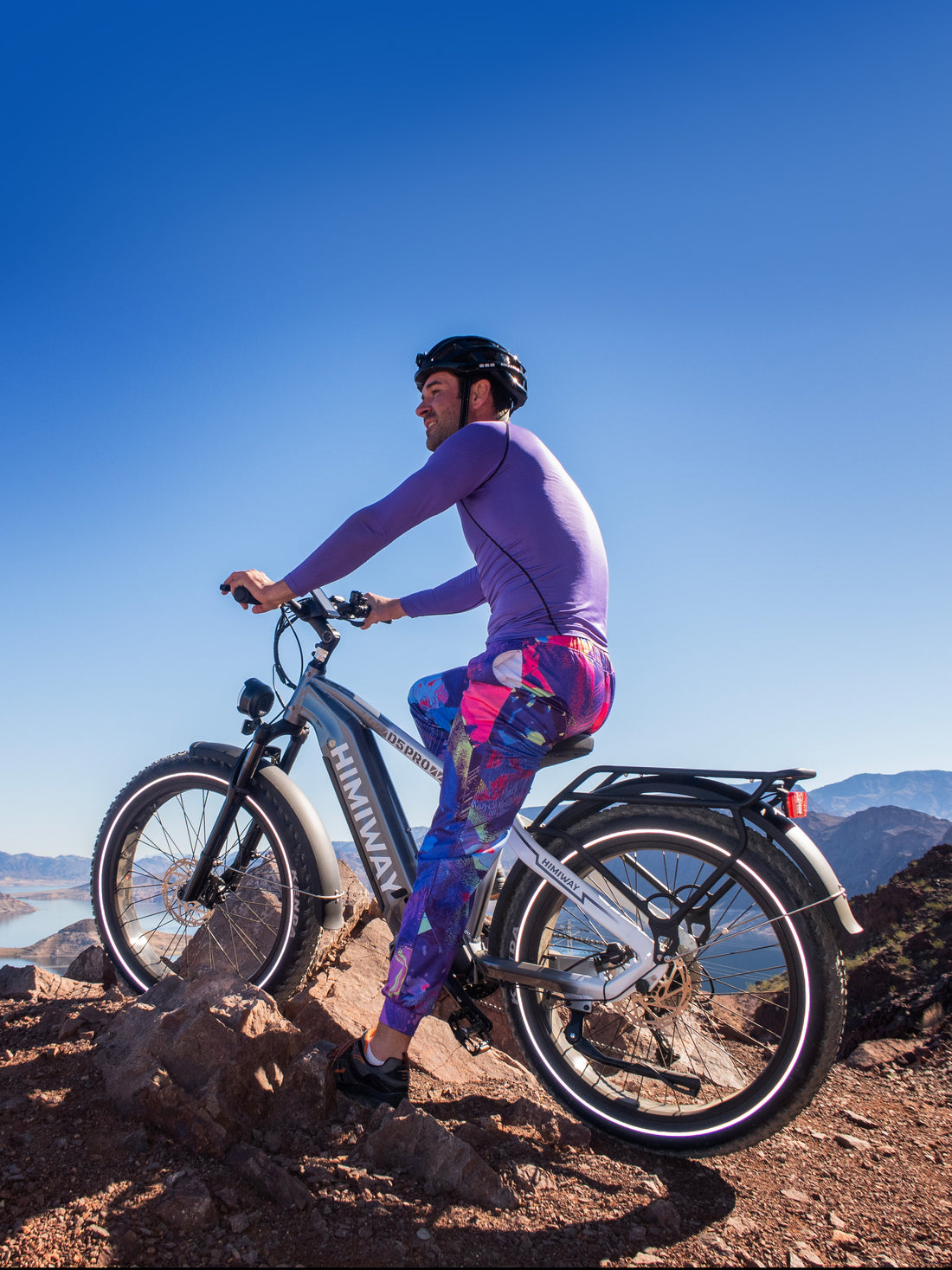

D5 Pro / All-terrain Electric Fat Bike Mid-Drive Power.
-
960 Wh
Samsung/LG Battery
-
80 Miles
Max Range
-
500 W
Mid-Drive Motor
-
20+ Mph
Top Speed


D5 ST(Zebra ST) / All-terrain Electric Fat Bike
-
Torque
Sensor
-
80 Miles
Max Range
-
400 lb.
Max Playload
-
Hydraulic
Brakes

D5 Pro ST / All-terrain Electric Fat Bike
-
960 Wh
Samsung/LG Battery
-
80 Miles
Max Range
-
500 W
Mid-Drive Motor
-
20+ Mph
Top Speed


Himiway A7 Pro Commuter eBike Full Suspension, Mid-Drive Power.
-
Full Suspension
Travel F:120mm R:90mm
-
500 W
Mid-Drive Motor
-
Torque
Sensor
-
Hydraulic
Brakes


Himiway D5 2.0 eBike Endless Comfort: Turning Rough Roads into Silk.
-
Full Suspension
Travel F:100mm R:130mm
-
Torque / Cadence
2 Riding Experiences
-
750W 90Nm
Geared Hub Motor
-
Smart Auto
5 Assist System


Himiway A7 Commuter eBike Full Suspension, Pure Comfort.
-
Full Suspension
Travel F:120mm R:90mm
-
Torque / Cadence
2 Riding Experiences
-
Smart Auto
5 Assist System
-
70 Miles
Per Charge


Himiway D7 Pro Mountain eBike Unstoppable mountain performance
-
1000 W
Mid-drive Motor
-
28 Mph
Top Speed
-
960 Wh
Samsung/LG Battery
-
80 Miles
Max Range

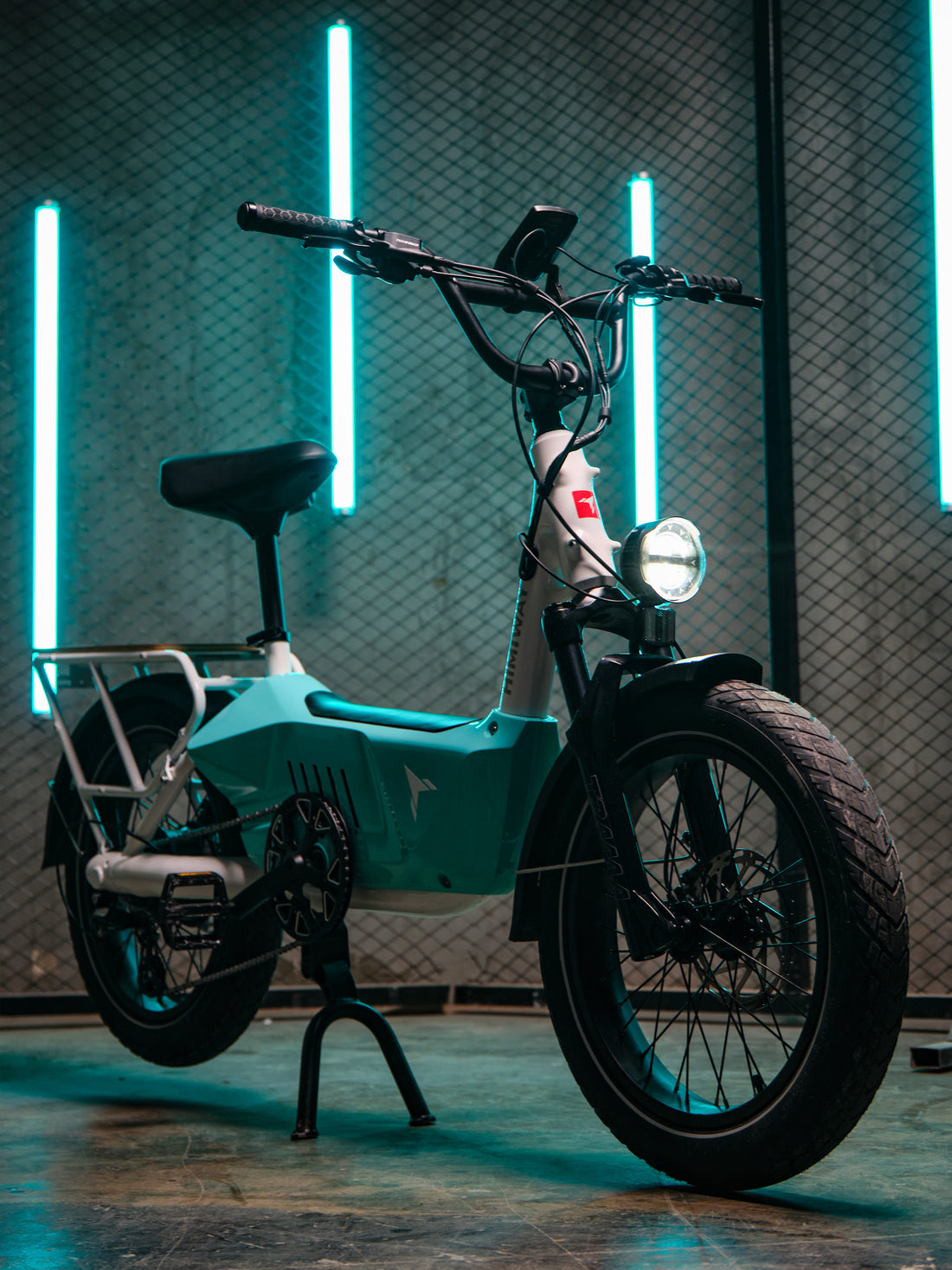

C3 / Cargo Ebike
-
80 Miles
Max Range
-
750W
Motor
-
960 Wh
Samsung/LG Battery
-
7-Speed
Shimano Altus M310
- Featured
- Most relevant
- Best selling
- Alphabetically, A-Z
- Alphabetically, Z-A
- Price, low to high
- Price, high to low
- Date, old to new
- Date, new to old


Why the Himiway D5 2.0 Stands Out
The numbers tell the story. For older riders, three things matter most: easy mounting, a stable ride, and all-day comfort. The D5 2.0 is built around all three—making every ride easier, safer, and more comfortable.
My Himiway D5 2.0 20" eBike Review

The Most Comfortable 20" E-Bike? Himiway D5 2.0 20"

Himiway D5 2.0 - An Exceptional Quality Ebike!

This Bike Is So Quiet You Would Think It Was Off - Himiway D5 2.0 Review

Himiway A7 - Full Suspension Commuter E-Bike Review

Merry Christmas From The Quints

The Ultimate Electric Bike Buying Guide
A simple 3-step guide to finding the best ebike and electric bikes for adults.
Step 1: Where Will You Ride Your Ebike?
All-Terrain & Off-Road Adventure
Built for gravel, winter snow, trails, and steep climbs. Discover top-rated all-terrain ebikes led by the agile D5 2.0 20" and high-power D7 Pro.
Explore All-Terrain Ebikes ->City Commuting & Cruising
Ideal for daily transit, paved city streets, and effortless errands. Explore low-step commuter electric bikes like the A7 & A7 Pro designed for maximum comfort.
Explore City E-Bikes ->Step 2: What Matters Most in Your Electric Bike?
Full Suspension Comfort
Isolate bumps and vibration effortlessly. The D5 2.0 20" (F:90mm/R:100mm) and D5 2.0 ST deliver the ultimate plush ride across rough terrain.
High Torque Motor & Safety
Power through steep hills with 750W (90Nm) to 1000W motors, backed by Tektro hydraulic disc brakes for instant, reliable stopping.
Long-Range Battery Power
Ride farther with premium Samsung/LG cells. Enjoy 70 to 80+ miles per charge on our long-range electric bikes for adults.
440 lbs Heavy-Duty Payload
Haul groceries, gear, or utility cargo with ease. The D5 2.0 and D7 PRO e-bike frames support up to 440 lbs total carrying capacity.
Agile 20" Compact Maneuverability
Want big fat-tire stability in a more manageable size? The compact D5 2.0 20" ebike fits riders from 4'11" to 6'3" and stores easily.
Black Friday E-Bike Deals
Find your perfect ride at an unbeatable value. Explore Himiway Black Friday e-bike deals and enjoy limited-time savings on popular electric bikes built for comfort, adventure, and everyday riding.
Step 3: Why Choose Himiway Electric Bikes?
Premium Brand Components
Engineered without compromise using genuine Tektro hydraulic brakes, Shimano 8-speed gears, Samsung/LG batteries, and Kenda fat tires.
Built for Real-World Demands
Every ebike features an aircraft-grade 6061 aluminum alloy frame, IPX6 water resistance, and adjustable Class 1/2/3 speeds up to 28 MPH.
Complete Peace of Mind
Every purchase includes Free US Shipping, a 15-Day Return Policy, a comprehensive 2-Year Warranty, and 1,000+ local dealer service shops.

Electric Bikes Explained: Classes, Styles & Buying Tips
What Is an Electric Bicycle (E-Bike)?
An electric bicycle (e-bike) is a bicycle equipped with a rechargeable battery and an electric motor that provides additional power while riding. Depending on the model, the motor assists when you pedal, operates through a throttle, or supports both. Electric bikes make commuting, climbing hills, and longer rides easier while allowing riders to control their level of physical effort.
Key E-Bike Classes: Class 1, Class 2 & Class 3
In the United States, electric bicycles are commonly divided into three classes based on how the motor operates and its maximum assisted speed:
- Class 1 E-Bikes: Provide pedal assistance only, with motor assistance stopping at 20 mph. Popular for recreational cycling, commuting, and permitted bike paths.
- Class 2 E-Bikes: Feature a throttle that can power the bicycle without pedaling, with motor assistance stopping at 20 mph. Ideal for riders who appreciate flexible power control.
- Class 3 E-Bikes: Generally provide pedal assistance up to 28 mph. Designed for faster commuting and longer-distance road riding where permitted.
E-bike classifications and riding restrictions vary by state and location. Always check local regulations, trail access rules, and the specific bike's classification before riding.
Common E-Bike Regulations & Rules
Electric bike laws in the United States vary by state, city, and e-bike classification. Before riding an electric bicycle, it's important to understand the following common regulations:
- License, Registration, and Insurance: Most states do not require a driver's license, registration, or insurance for standard Class 1, Class 2, or Class 3 e-bikes. However, exceptions exist, including newer licensing and registration requirements in New Jersey.
- Age Restrictions: Minimum riding ages depend on state laws and e-bike classifications. Some states require Class 3 e-bike riders to be at least 16 years old, while Class 1 and Class 2 restrictions may differ.
- Helmet Requirements: Helmet laws vary by state and rider age. Some jurisdictions require helmets for younger riders or all Class 3 riders. Wearing a properly fitted bicycle helmet is recommended for everyone.
- Speed and Motor Power Limits: In states using the three-class system, Class 1 and Class 2 e-bikes generally stop providing assistance at 20 mph, while Class 3 e-bikes provide pedal assistance up to 28 mph. Motor power limits and classification requirements vary by jurisdiction.
- Where to Ride: Electric bikes are generally permitted on public roads and designated bike lanes where local laws allow. Access to sidewalks, shared-use paths, parks, and off-road trails depends on local rules and e-bike classification.
- Traffic Rules: E-bike riders must obey applicable traffic signs, stop signals, right-of-way rules, and road markings. Ride with traffic, signal turns, and yield to pedestrians when required.
- Night Riding and Lighting: Many jurisdictions require bicycle lights and reflectors when riding after dark. Use a white front light, a red rear light or reflector as legally required, and additional reflective equipment for better visibility.
- Passengers and Cargo: Carry passengers only when the e-bike is designed and legally equipped for them. Follow local passenger rules and never exceed the manufacturer's recommended weight capacity.
- Modifications and Legal Compliance: Modifying an e-bike's motor, controller, or speed limiter may change its legal classification. Ensure your electric bicycle continues to meet applicable motor power, speed, equipment, and labeling requirements.
Important: E-bike regulations can change, and local ordinances may impose additional restrictions. Always verify current state and local laws before riding.
Common E-Bike Styles & Their Primary Uses
Electric bikes come in different styles to suit specific riding needs. Popular options include:
- Commuter Electric Bikes: Designed for daily transportation, city streets, and paved roads. Models like the Himiway A7 offer comfort for everyday commuting.
- Fat-Tire Electric Bikes: Feature wide tires for added traction and stability on gravel, sand, and uneven surfaces. The Himiway D5 2.0 series is a popular all-terrain option.
- Electric Mountain Bikes (eMTBs): Built for challenging terrain, steep climbs, and off-road adventures. Models such as the Himiway D7 Pro emphasize powerful motors and suspension performance.
- Step-Through Electric Bikes: Feature a lower frame entry for easier mounting and dismounting. Options like the Himiway D5 2.0 ST are well suited to comfort-focused riders.
- Cargo Electric Bikes: Designed to carry groceries, equipment, and other loads. Utility-focused models like the Himiway C3 offer additional carrying capabilities.
What to Consider Before Buying an Electric Bike
Before choosing an e-bike, compare the features that matter most for your riding habits, comfort, and budget:
- Primary Use Case: Decide whether you mainly need an electric bike for commuting, recreational riding, off-road adventures, or carrying cargo.
- Battery Range: Choose a battery capacity that comfortably covers your typical trips. Actual range varies with terrain, rider weight, speed, weather, and assistance level.
- Motor & Pedal Assist: Consider motor power, torque, throttle availability, and whether you prefer a torque sensor or cadence sensor.
- Frame Size & Comfort: Check recommended rider height, riding position, step-over height, suspension, and bike weight.
- Brakes & Safety: Look for reliable braking performance, appropriate lighting, and applicable battery and electrical safety certifications.
- Payload & Practicality: Verify total load capacity, storage space, and compatibility with accessories such as racks, baskets, and fenders.
- Budget & Support: Compare the total purchase cost, warranty coverage, battery replacement costs, and access to local service or maintenance.
The best electric bike is one that fits your body, meets your daily riding needs, and complies with local regulations. Compare Himiway electric bikes to find the right balance of comfort, performance, range, and value.
How Long Does It Take to Charge an Electric Bike, and How Long Does the Battery Last?
Most electric bikes take approximately 4–8 hours to fully charge, depending on battery capacity, charger output, and the remaining battery level. Many Himiway e-bikes typically require around 6–8 hours with their standard chargers, although charging times vary by model. A larger battery generally provides more riding range but may also require additional charging time.
An e-bike lithium-ion battery can last several years with proper care. Its lifespan depends on charging habits, riding frequency, temperature, and storage conditions. To extend battery life, avoid extreme heat or cold, use the manufacturer-approved charger, and store the battery at the recommended charge level during extended periods of inactivity.
When comparing electric bikes, consider both the advertised riding range and battery replacement costs. Actual range varies based on terrain, rider weight, speed, tire pressure, and pedal assistance level. Choosing an e-bike with sufficient battery capacity for your daily trips can reduce range anxiety and make longer rides more convenient.
Can Electric Bikes Handle Steep Hills and Heavy Riders?
Yes, many electric bikes are designed to handle steep hills, uneven terrain, and heavier loads. However, climbing performance depends on motor torque, gearing, battery power, terrain conditions, and the combined weight of the rider and cargo. For hilly areas, an electric bike with strong torque output, suitable gearing, and reliable brakes is particularly important.
For example, the Himiway D5 2.0 20" features a powerful 750W motor delivering 90Nm of torque, making it a capable choice for hills and varied terrain. Its full-suspension system and 20-inch fat tires help improve comfort and traction on uneven surfaces. The bike supports a total payload of up to 440 lbs, although its maximum recommended rider weight is 265 lbs.
Heavier riders should pay attention to frame strength, tire size, braking performance, and suspension quality. Remember that the total payload includes the rider, luggage, and accessories. Choosing an electric bike with an appropriate weight capacity and sufficient motor torque can improve stability, climbing performance, and overall riding comfort.
How Much Maintenance Does an Electric Bike Need?
Electric bikes require routine maintenance similar to traditional bicycles, including checking tire pressure, inspecting brakes, cleaning and lubricating the chain, and monitoring tire wear. Because e-bikes are generally heavier and can travel at higher assisted speeds, keeping the brakes, tires, and drivetrain in good condition is especially important for safe riding.
Battery care is another essential part of e-bike maintenance. Keep electrical connections clean and dry, inspect the battery and charger for visible damage, and follow the manufacturer's charging recommendations. After riding in rain, mud, or dusty conditions, clean your bike carefully and inspect key components for wear or damage.
Annual maintenance costs vary depending on riding frequency, terrain, component quality, and local service rates. Regular inspections and timely replacement of worn brake pads, tires, and drivetrain parts can help prevent more expensive repairs. Himiway electric bikes also offer access to replacement components and customer support, making ongoing maintenance and long-term ownership more convenient.


Bikes for Every Ride


Find a Local Himiway Shop Near You
Looking for a hands-on experience?
Find a Himiway electric bike shop near you and schedule a test ride today.