Waterproof Electric Bikes

Waterproof Electric Bikes

1000+Shop

2-Year Warranty

15-Day Trial

Free Shipping

While no electric bike is fully waterproof, our water-resistant e-bikes feature sealed battery compartments, protected motor housings, and durable components designed for rain, puddles, and wet weather commuting year-round. Top models include the D5 2.0 for all-terrain wet conditions, A7 for rainy commutes, and D5 Zebra for best value.

Waterproof Electric Bikes Guide

Everything you need to know about riding e-bikes in rain, protecting electronics from water, and choosing a bike built for wet conditions.

What Makes Our E-Bikes Water-Resistant

💧 Water-Resistant Design

  • Sealed battery compartments prevent water ingress
  • Protected hub motor housings (inherently water-resistant)
  • Weather-resistant connectors and wiring harnesses
  • Corrosion-resistant 6061 aluminum alloy frames
  • All-weather hydraulic disc brakes (no fade when wet)
  • UL2271 certified battery safety standards

🌧️ Rainy Weather Performance

  • Fat tires maintain excellent grip on wet pavement
  • Integrated fenders reduce water spray (available on most models)
  • Bright LED lighting systems for visibility in rain
  • Reliable braking even in heavy downpours
  • Year-round commuter reliability proven in all climates
  • Full suspension absorbs wet road hazards

🔋 Protected Electronics

  • Water-resistant LCD displays with clear visibility
  • Sealed controller housings protect circuits
  • Protected charging ports with covers
  • Durable wiring with weatherproof connections
  • Samsung/LG battery cells with safety certifications
  • Bluetooth-enabled displays with weatherproofing

Our Top Recommendations for Wet Weather

🏆 Best Overall for Wet Conditions

Himiway D5 2.0

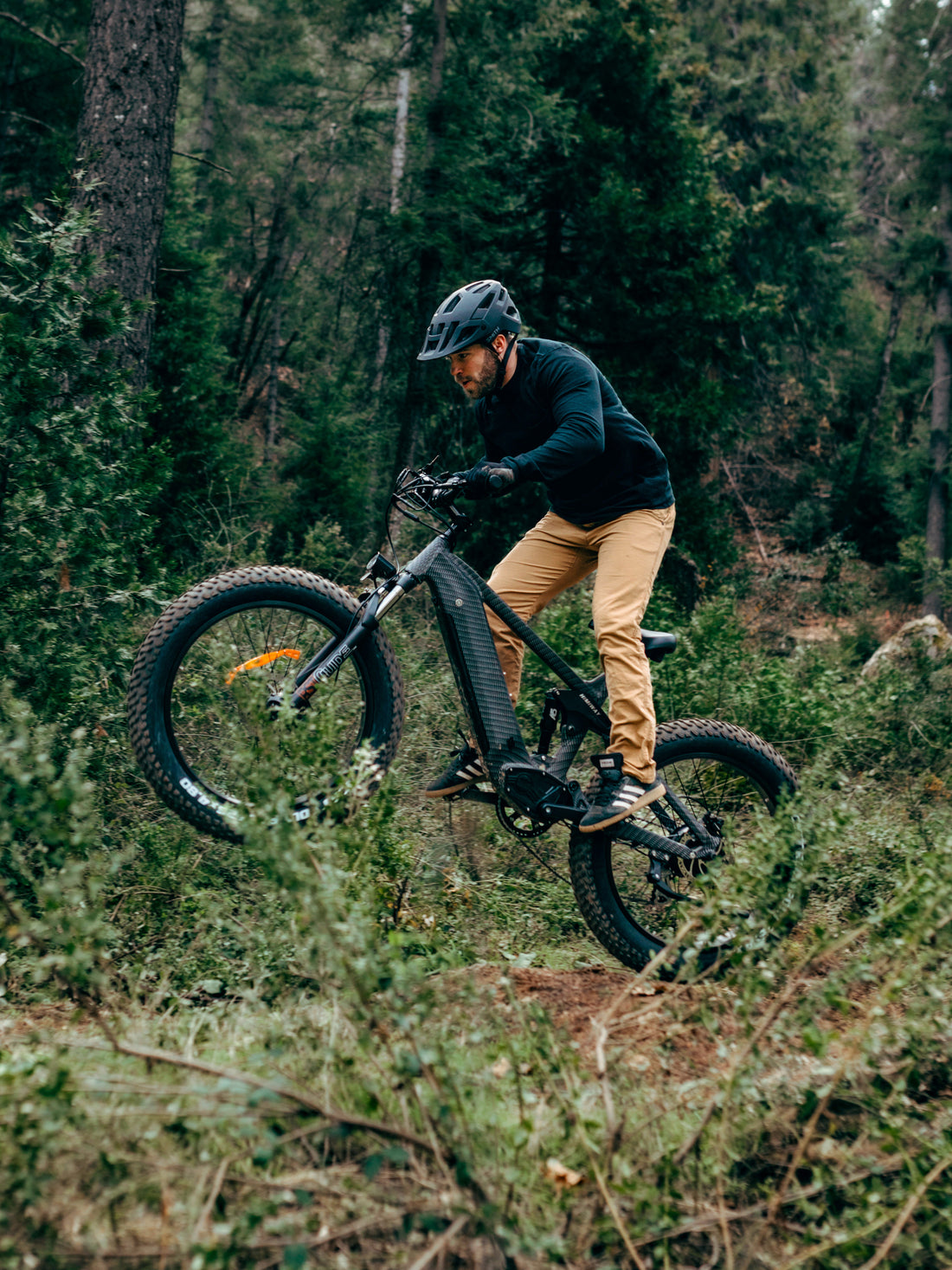
Full suspension (100mm front + 130mm rear) absorbs wet road hazards. Maxxis Minion 26x4.0" fat tires with aggressive tread maintain grip in rain, mud, and puddles. Sealed battery and protected hub motor for all-weather reliability.

65mi range | 92lb | 400lb payload | Hydraulic brakes

💧 Best for Rainy Commutes

Himiway A7

Urban-focused with full suspension for wet road comfort. 27.5x2.4" tires with reflective strips for visibility. SHIMANO MT200 hydraulic brakes provide reliable stopping in all weather conditions.

65mi range | 84lb | 400lb payload | Memory foam saddle

💰 Best Value for All Weather

Himiway D5 Zebra

960Wh battery (largest in price class) with 60-80 mile range handles extended rainy commutes. Kenda K-shield puncture-resistant tires reduce flat risk on wet debris. Torque sensor for natural pedaling feel.

60-80mi range | 79lb | 400lb payload | Torque sensor

Waterproof E-Bike Questions Answered

Everything you need to know about e-bikes and water resistance.

Understanding Water Resistance

Can electric bikes get wet? Are any e-bikes fully waterproof?

Electric bikes can handle rain and wet conditions, but no e-bike is truly "fully waterproof." The correct term is "water-resistant." This distinction matters because:

  • Water-resistant: Can handle rain, splashes, puddles, and wet conditions during normal riding
  • Waterproof (not achievable): Would imply you could submerge the entire bike without damage

What experienced riders report:

  • One rider logged 8,000+ miles through absolute downpours and Wisconsin winters with no problems
  • Others have ridden through hurricanes with quality e-bikes and no ill effects
  • UK riders commute year-round through constant rain without issues
  • Seattle commuters rely on e-bikes as primary transportation despite 150+ rainy days per year

The key is choosing a quality e-bike with proper sealing—cheap models may lack adequate water protection. Learn more about all-weather commuting options.

What do IP ratings mean and what should I look for?

IP (Ingress Protection) ratings tell you exactly how water-resistant a device is. The format is "IPXX" where the second number indicates water protection:

Common IP water ratings explained:

  • IPX4: Protected against water splashes from any direction (light rain, puddle splashes)
  • IPX5: Protected against water jets from any angle (heavy rain, washing with hose)
  • IPX6: Protected against powerful water jets and heavy rain (recommended minimum for rainy climates)
  • IPX7: Can be submerged in 1 meter of water for up to 30 minutes (typically for batteries)

What to look for when buying:

  • IPX4 minimum for occasional rain riding
  • IPX5-6 for regular rain commuting
  • Quality brands with sealed components even without explicit IP ratings
  • Sealed battery compartments and protected motor housings
  • Weather-resistant connectors and displays

Note: Not all manufacturers publish IP ratings, but quality construction matters more than marketing claims. Look for sealed electronics, protected connectors, and proven reliability in wet conditions.

Are Himiway e-bikes safe to ride in rain?

Yes, Himiway e-bikes are designed for all-weather riding and can handle rain, puddles, and wet conditions safely.

Built-in water protection features:

  • Sealed battery compartments: UL2271 certified batteries with protected terminals
  • Hub motor design: Motors are inherently sealed by design—water stays out of the motor housing
  • Hydraulic brakes: Tektro and Shimano hydraulic brakes maintain full stopping power when wet (unlike mechanical brakes)
  • Protected wiring: Weather-resistant connectors throughout
  • Quality displays: 3.5" color displays designed for outdoor use

Practical rain riding tips:

  • Reduce tire pressure slightly (2-5 PSI) for better wet grip
  • Allow extra braking distance—even hydraulic brakes need slightly more distance on wet rims
  • Avoid painted road markings—they become slippery when wet
  • Use integrated lights for visibility (standard on most models)

The D5 2.0 with full suspension is particularly suited for wet conditions—suspension absorbs impacts from hidden potholes that fill with water.

Protecting Vulnerable Components

What parts of an e-bike are most vulnerable to water damage?

While e-bikes are designed for wet conditions, some components need extra attention:

Most vulnerable (protect first):

  • Battery terminals: Connection points where battery meets frame can allow water in if not properly sealed
  • Charging port: Always keep the port cover closed when not charging
  • Display unit: Some displays are more water-resistant than others—UV exposure over time can degrade seals
  • Controller housing: Usually well-sealed, but worth checking after deep puddles

Less vulnerable (built to handle water):

  • Hub motors: Sealed by design—water rarely penetrates the motor housing
  • Frame: Aluminum doesn't rust (though steel bolts may need attention)
  • Brakes: Hydraulic systems are sealed; only external components exposed

Prevention tips:

  • Wipe dry after wet rides—especially battery connection area
  • Store bike with battery port facing down so water drains away
  • Apply dielectric grease to exposed connectors annually
Can the motor be submerged? What about deep puddles?

Hub motors are remarkably water-resistant, but there are limits:

What hub motors can handle:

  • Rain and water spray—no problem at all
  • Shallow puddles (1-3 inches)—safe for quick passes
  • Brief deeper water (up to axle)—occasionally acceptable
  • Wet grass, mud, and sand—designed for these conditions

What to avoid:

  • Sustained riding through deep water (above axle height)
  • Submerging the motor for extended periods
  • Riding through floodwater (contaminated water is worse)
  • Water pressure from below (forces water into seals)

If you do go through deep water:

  • Keep moving—stagnant water in motor area is worse than flowing through
  • Dry thoroughly afterward—tip bike to drain trapped water
  • Let motor run briefly on low power to warm and dry internals
  • Check for unusual sounds in following days

The D7 Pro with higher ground clearance handles water crossings better than low-profile models.

How can I add extra waterproofing protection to my e-bike?

DIY waterproofing can extend protection, especially for riders in very wet climates:

Essential DIY protection (recommended for everyone):

  • Dielectric grease: Apply to all electrical connectors—prevents corrosion and water intrusion ($2-3 at auto parts stores)
  • Heat-shrink tubing: Cover exposed wire connections for extra sealing
  • Charging port attention: Ensure cover is always closed; add silicone gasket if loose

Advanced protection (for heavy rain riders):

  • Self-fusing silicone tape: Wrap around connectors—stretchy, non-sticky, easy to remove for maintenance
  • Boeshield T9: Spray-on wax coating that protects against water and provides UV protection
  • Display protectors: Screen protectors reduce UV damage that can compromise water sealing over time
  • Fender upgrades: Full-coverage fenders reduce water spray on electronics

What NOT to do:

  • Don't over-seal battery compartments—they need some ventilation
  • Avoid silicone sealant near moving parts
  • Don't wrap tape over areas that need inspection

Riding & Maintenance in Wet Conditions

Can I wash my e-bike with a hose or pressure washer?

Hose washing is generally safe; pressure washing needs caution:

Safe washing methods:

  • Garden hose (gentle spray): Safe for entire bike—this is how manufacturers test water resistance
  • Bucket and sponge: Best for sensitive areas like display and battery connection
  • Hose with jet nozzle: Safe from 2-3 feet distance for most areas

Pressure washer guidelines:

  • Keep distance of at least 3 feet from bike
  • Never point directly at sealed bearings (headset, bottom bracket, hubs)
  • Avoid battery terminals and charging port
  • Don't force water into motor vents
  • Skip the display and control buttons

After any wash:

  • Wipe dry with cloth, especially electrical areas
  • Lubricate chain with wet-formula chain lube
  • Let bike air dry completely before covering or storing
  • Check brakes—water in hydraulic lines is rare but possible if seals are worn
What maintenance should I do after riding in rain?

Post-rain maintenance extends your e-bike's life significantly. Long-term moisture is more damaging than the rain itself.

Immediate after every wet ride (5 minutes):

  • Wipe down battery connection area and charging port
  • Dry the display and control buttons
  • Quick wipe of brake rotors (prevents overnight corrosion spots)
  • Shake out water from under the seat

Weekly (if riding in rain regularly):

  • Clean and lubricate chain (wet-formula lube recommended)
  • Check for rust on any steel components (bolts, spokes)
  • Inspect brake pads for debris and wear
  • Clean grit from derailleur pulleys

Monthly:

  • Apply dielectric grease to exposed connectors
  • Check battery terminal contacts for corrosion
  • Inspect tire tread for embedded glass/debris (more common in wet)
  • Lubricate pivot points on suspension

See our battery care guide for cold-weather maintenance tips.

Are cheap e-bikes as water-resistant as premium models?

Generally no—you get what you pay for in water resistance:

Where cheap e-bikes cut corners:

  • Unsealed connectors: Basic connectors without weather protection
  • Generic controllers: May lack conformal coating on circuit boards
  • Thin wiring: More prone to cracking and water intrusion over time
  • No-name batteries: Often missing proper sealing and safety certifications
  • Basic displays: First component to fail in wet conditions

What quality e-bikes include:

  • Weather-sealed connectors: Designed for outdoor exposure
  • Conformal coating: Circuit boards sprayed with protective coating
  • UL certification: Battery passed safety and durability testing
  • Brand-name components: Shimano, Tektro, SUNTOUR—designed for elements
  • Quality control: Each bike tested before shipping

Riders in rainy climates consistently advise: "good ones, yes. Cheap crappy ones, no" when asked about water resistance durability.

Specific Water Scenarios

How deep can I ride through puddles or flooded roads?

Depth guidelines based on real rider experiences:

Safe depths:

  • 0-2 inches: No concern at all—ride normally
  • 2-4 inches: Safe, but slow down to reduce splash
  • 4-6 inches: Proceed with caution—keep steady speed, don't stop in water

Risk zone (avoid if possible):

  • 6-8 inches: Axle-deep—battery terminals may be near water level
  • 8+ inches: Motor submersion risk—find alternate route

Important considerations:

  • Moving water is more dangerous than still water (current can destabilize)
  • Floodwater often contains debris and contaminants
  • You can't see potholes under water—proceed slowly
  • Water is deeper at curbs and gutters
  • Salt water (coastal flooding) is much more corrosive than rain

If you must cross deeper water occasionally, the full suspension models with higher ground clearance are better suited.

Will rain damage the display, throttle, or controls?

These components are designed for outdoor use, but they're among the more vulnerable parts:

Display protection:

  • Quality displays (like Himiway's 3.5" color displays) handle rain splashes fine
  • Direct rainfall for extended periods is more challenging—consider a rain cover for prolonged storms
  • UV exposure over time degrades rubber seals—keep bike covered when stored outside
  • Touch buttons more vulnerable than physical buttons—dry hands improve response in rain

Throttle protection:

  • Twist throttles: Generally well-sealed—rotating action sheds water naturally
  • Thumb throttles: More exposed to direct rain, but rarely fail from moisture
  • Both types: Apply dielectric grease to internal connection annually

Control buttons:

  • Usually membrane-style switches with reasonable water resistance
  • Light switches and mode buttons handle rain well
  • If buttons become unresponsive in rain, dry them—usually temporary

Long-term, the display is typically the first electronic component to show age in wet climates—budget for potential replacement after 3-5 years of daily rain commuting.

Can I store my e-bike outside in all weather?

Possible but not recommended long-term—outdoor storage accelerates wear:

If you must store outside:

  • Use a quality bike cover: Waterproof, UV-resistant, secured against wind
  • Remove battery: Store battery indoors (extends life, prevents theft)
  • Elevate if possible: Off ground to avoid puddle splash and ground moisture
  • Choose sheltered location: Under overhang, against wall, away from sprinklers

What outdoor storage does to e-bikes:

  • UV damage: Plastic parts become brittle, display seals degrade
  • Moisture accumulation: Condensation forms overnight, causes slow corrosion
  • Temperature swings: Stresses battery cells and electronic components
  • Chain rust: Even with lubrication, outdoor chains need more frequent replacement

Better alternatives:

  • Garage or covered porch (best compromise)
  • Bike shed with ventilation
  • Indoor storage with wall mount or vertical stand
  • The B3 folding e-bike stores compactly inside apartments

Choosing the Right Bike for Wet Conditions

Which features make an e-bike better for wet conditions?

Prioritize these features if you'll ride regularly in rain:

Essential for wet weather:

  • Hydraulic disc brakes: Maintain stopping power when wet (mechanical brakes lose effectiveness)
  • Fender mounts/fenders: Full-coverage fenders keep water off you and the bike
  • Sealed battery: UL-certified with protected terminals
  • Integrated lighting: LED lights built into frame (external lights can flood)
  • Quality tires: Good tread pattern for water dispersal

Highly recommended:

  • Full suspension: Absorbs impacts from hidden wet-weather hazards (potholes, debris)
  • Fat tires: Better stability on slippery surfaces, more forgiving on wet corners
  • Torque sensor: Smoother power delivery reduces wheel spin on slick roads
  • Corrosion-resistant components: Stainless steel hardware, aluminum frame

Nice to have:

  • Step-through frame: Easier mounting when wearing rain gear
  • Chainguard: Keeps chain protected from spray and debris
  • Reflective accents: Improves visibility in low-light rain conditions
Fat tire vs regular tire for rainy weather?

Both work in rain, but they excel in different wet conditions:

Fat tires (4.0" width) advantages in wet:

  • More contact with road = better grip on slippery surfaces
  • Lower pressure possible = more traction in corners
  • Handle puddles and standing water more confidently
  • More forgiving if you hit slick painted markings
  • Better on wet gravel, mud, and unpaved paths

Regular tires (2.0-2.5" width) advantages in wet:

  • Cut through standing water faster (less hydroplaning at speed)
  • Lower rolling resistance = better range in rain
  • Easier to maintain higher speeds on wet pavement
  • Lighter overall bike weight

Recommendation by scenario:

  • Urban commuting (mostly paved): Either works—fat tires for comfort, regular for speed
  • Mixed terrain commuting: Fat tires (D5 2.0)
  • Year-round including snow: Fat tires with aggressive tread
  • Fast road commuting: Regular tires (A7)

Learn more about tire advantages: comparison of fat tire benefits.

What's the best waterproof e-bike for commuting?

The "best" depends on your specific commute, but here are top picks for rain commuters:

For mixed terrain wet commutes:

  • D5 2.0 - Full suspension absorbs wet road hazards, Maxxis fat tires grip on any surface, 65-mile range covers extended routes

For urban wet commutes:

  • A7 - Full suspension for wet pothole protection, lighter weight (84 lbs), 27.5" tires with reflective strips for visibility

For hilly wet commutes:

  • A7 Pro - Mid-drive 130Nm torque climbs wet hills with control, Schwalbe Super Moto-X tires designed for wet grip

For budget wet commutes:

  • D5 Zebra - 960Wh battery for rainy-day range anxiety, Kenda puncture-resistant tires, excellent value

For compact storage (apartment):

  • B3 - Folds to bring inside, 70-mile range, stores where outdoor weather can't damage it

Explore all comfort-focused options for enjoyable wet-weather commuting.

Why HIMIWAY ?

Ride Further Together

491 K+

Himi Riders
Recognition from knights around the world

15 K+

5-Star Reviews
The knights give an honest opinion

1200 +

Professional Review
What the professional media really thinks of us

Local Shop

Learn More

2-Year Warranty

Learn More

15-Day Trial

Learn More

Free Shipping

Learn More

Bikes for Every Ride

Explore our diverse lineup designed to fit every rider and terrain

Mountain eBike

Kids eBike

City eBike

Cargo eBike

Folding eBike

Find a Local Himiway Shop Near You

Looking for a hands-on experience?
Find a Himiway electric bike shop near you and schedule a test ride today.