




Electric Bike with Hydraulic Brakes


1000+Shop

2-Year Warranty

15-Day Trial

Free Shipping

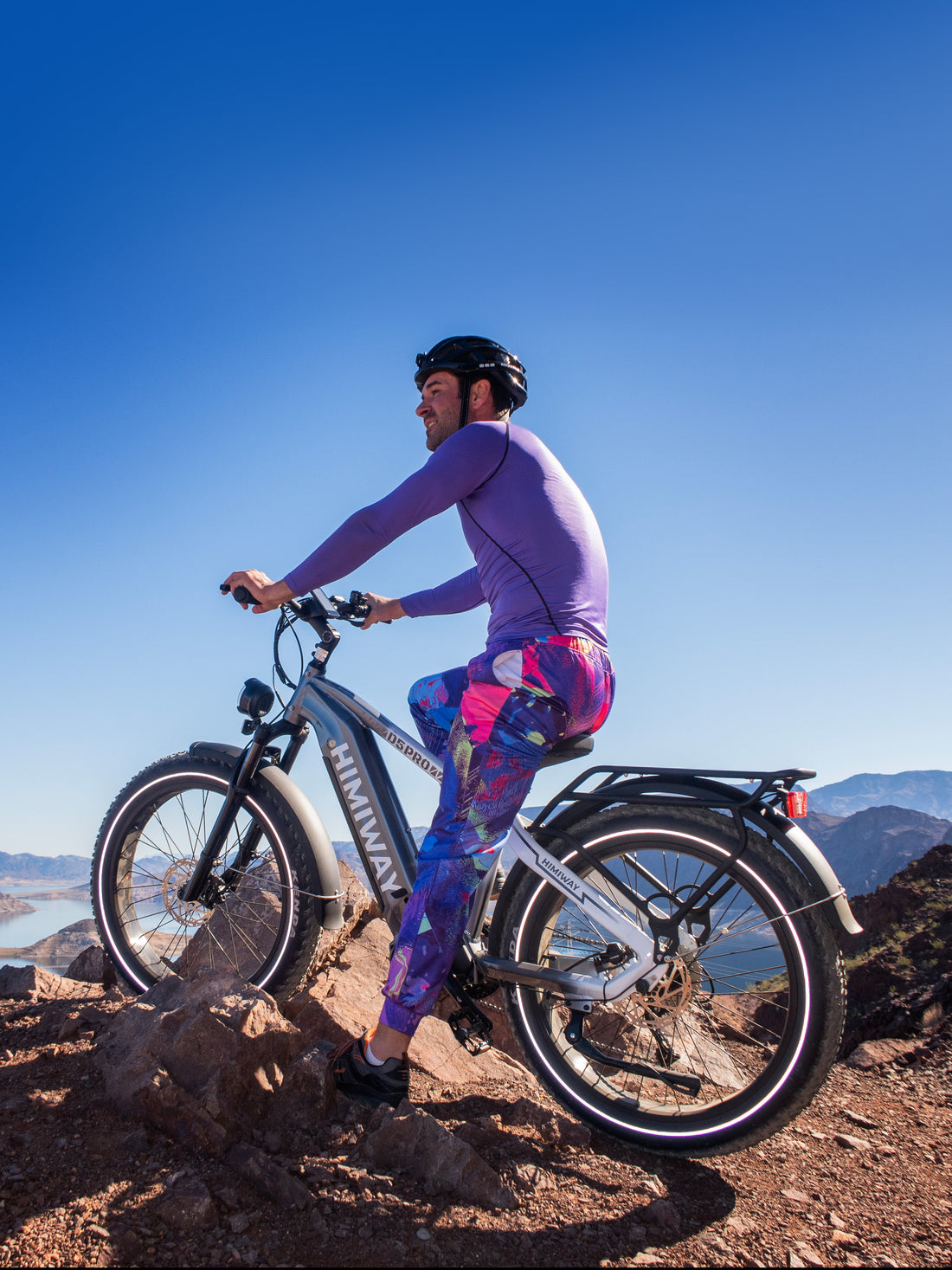
D5 Pro / All-terrain Electric Fat Bike
-
960 Wh
Samsung/LG Battery
-
80 Miles
Max Range
-
500 W
Mid-Drive Motor
-
20+ Mph
Top Speed

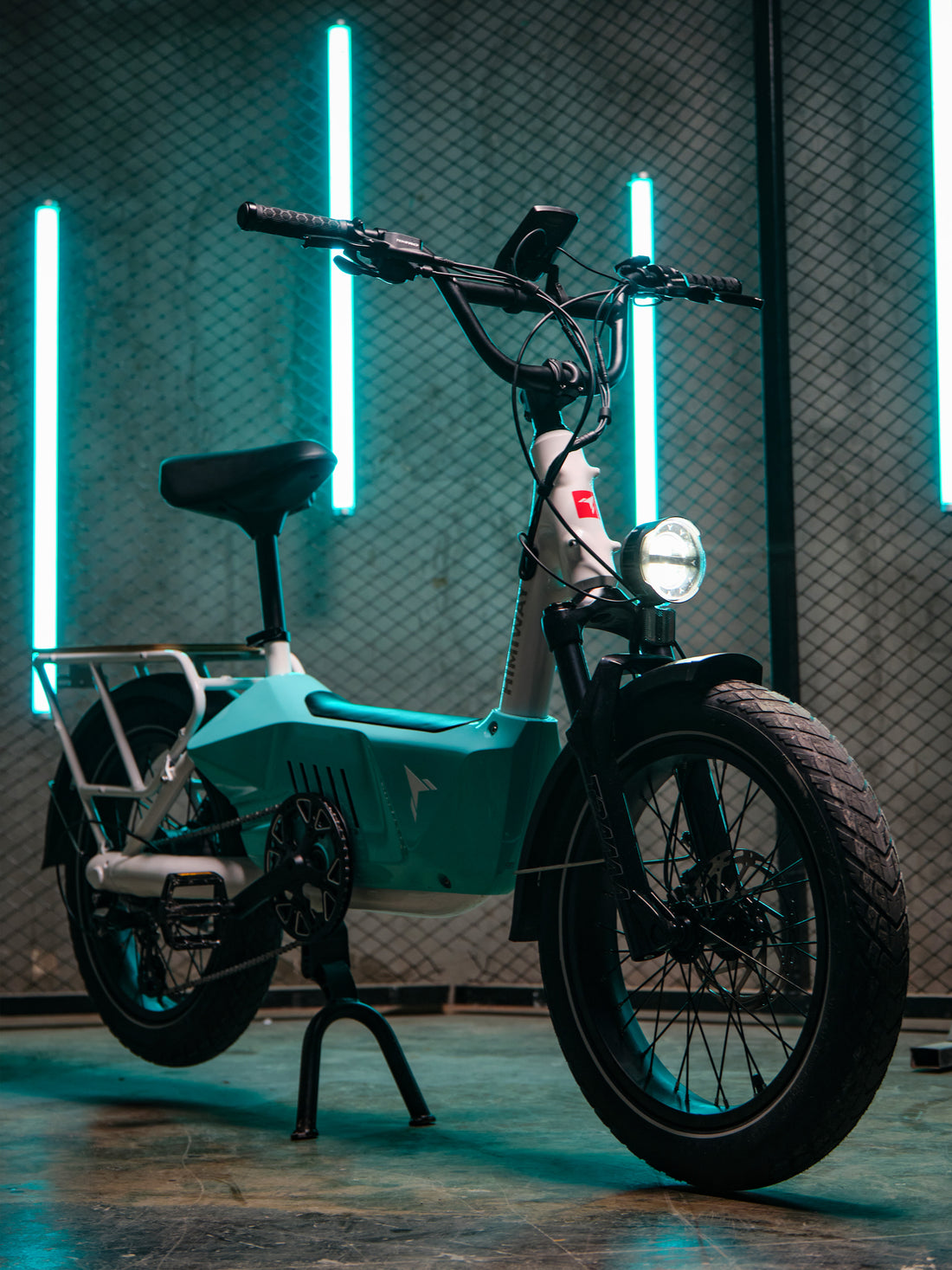
C3 / Cargo Ebike
-
80 Miles
Max Range
-
750W
Motor
-
960 Wh
Samsung/LG Battery
-
7-Speed
Shimano Altus M310
Electric Bikes with Hydraulic Brakes - Precision Stopping Power
When you're riding a powerful electric bike capable of speeds up to 28mph, reliable stopping power isn't just a feature—it's your most important safety system. Unlike traditional mechanical systems that can stretch and fade, hydraulic disc brakes deliver instant, one-finger stopping power in all weather conditions. Himiway equips our premium models with trusted hydraulic systems from Shimano and Tektro for uncompromising safety and control.
Effortless One-Finger Braking
Stop faster with significantly less hand effort. Hydraulic systems use sealed fluid to multiply your input force, meaning a gentle squeeze with just one finger can bring a 70lb e-bike to a confident halt. This is a game-changer for long "braking heavy" commutes or riders with limited grip strength who find mechanical levers difficult to squeeze hard.
Self-Adjusting Maintenance
Say goodbye to the constant need for cable tightening. Hydraulic brakes are self-adjusting mechanical systems. As your brake pads naturally wear down over time, the caliper pistons automatically advance to keep the contact point consistent. This means your brakes feel as sharp on day 100 as they did on day 1—without you touching a tool.
All-Weather Reliability
Rain, mud, and road grime can gum up exposed mechanical cables, increasing friction and reducing stopping power when you need it most. Our fully sealed hydraulic systems keep all contaminants out, ensuring that your brakes perform consistently whether you're commuting through a downpour or splashing through muddy trails.
Integrated Safety & Motor Cutoff
Safety is built into every lever. Every Himiway hydraulic brake features integrated electronic motor cutoff sensors. The millisecond you touch the brake lever, the system cuts power to the motor instantly. This ensures your braking distance is never compromised by the motor pushing against you—crucial for panic stops in traffic.
Best Electric Bikes with Hydraulic Brakes
A7 Pro — The Commuter's Choice
- Brakes: Shimano MT200 Hydraulic Disc
- 500W Mid-drive motor (130Nm torque)
- Full suspension (120mm front + 90mm rear)
- Torque sensor for natural pedaling
- Premium Schwalbe Super Moto-X tires
- Auto-illuminating brake light
D7 Pro — Extreme Performance
- Brakes: Tektro HD-E730 4-Piston Hydraulic
- 1000W Bafang Ultra Mid-drive (160Nm torque)
- Massive 203mm front rotor / 180mm rear
- Four-bar linkage suspension system
- 26x4.8" CST Roly Poly tires
- 960Wh Battery for long range
D5 2.0 — All-Terrain Reliability
- Brakes: Tektro HD-E3520 Hydraulic Disc
- 750W Hub Motor (90Nm torque)
- Switchable Torque/Cadence Sensor
- Full Suspension (100mm/130mm travel)
- Large 180mm rotors front and rear
- 400lb Payload Capacity
Common Questions About Hydraulic E-Bike Brakes
Are hydraulic brakes really better for e-bikes?
Yes, absolutely. The consensus among experts and experienced riders is that hydraulic brakes are superior for electric bikes for three main reasons:
- Stopping Mass: E-bikes typically weigh 70lb+ and carry heavier loads. Stopping this momentum requires the force multiplication that only hydraulics provide efficiently.
- Speed Management: Safely controlling a bike at 20-28mph in traffic requires instant, precise modulation that mechanical cables struggle to match.
- Consistency: Hydraulic fluid doesn't stretch like steel cables. Your braking power remains consistent ride after ride, whereas mechanical brakes lose power as the cable stretches over time.
How long do hydraulic e-bike brakes last?
Longevity is a major benefit of hydraulic systems. While brake pads are wear items, the system itself is incredibly durable.
- Brake Pads: Typically last 500-1,000 miles depending on your riding style, terrain, and rider weight. E-bikes tend to wear pads faster than regular bikes due to higher average speeds.
- Hydraulic Fluid: This is a low-maintenance sealed system. You usually only need to "bleed" (flush) the fluid once every 1-2 years to remove air bubbles.
- Comparison: Mechanical cables often need adjustment every few weeks to maintain optimal tension, making hydraulics far less work day-to-day.
What is the difference between 2-piston and 4-piston brakes?
It comes down to clamping surface area and force:
2-Piston (e.g., Shimano MT200): The standard for most high-quality e-bikes like the A7 Pro. They use one piston on each side to squeeze the pads. They offer excellent power for commuting, city riding, and moderate trails. They are simpler, lighter, and easier to service.
4-Piston (e.g., Tektro HD-E730): Found on extreme performance bikes like the D7 Pro. They use two pistons on each side. This provides a larger contact area and significantly more crushing power. They are necessary for extreme downhill mountain biking, very heavy cargo loads, or riding at high speeds on steep terrain where maximum heat dissipation and fade resistance are critical.
Shimano MT200 vs. Tektro E-350: Which is better?
Both are reputable, Tier-1 brake systems, but they have slightly different characteristics widely discussed by enthusiasts:
- Shimano MT200: Famous for its "lever feel." It offers incredibly smooth modulation and has a lever shape that many riders find more ergonomic. Parts are available at virtually every bike shop in the world.
- Tektro HD-E350/E3520: Built specifically for the heavy-duty demands of e-bikes. They often feature thicker rotors (1.8mm vs standard) to handle heat better and have robust calipers. They are workhorses known for durability.
Himiway chooses the system that best matches the bike's purpose—Shimano for the refined commuter feel of the A7 Pro, and Tektro for the rugged all-terrain capability of the D5 2.0.
Do I need to bleed my brakes myself?
This is a common fear for new riders, but the answer is: No, you don't have to.
While DIY bleed kits are affordable (around $20) and many riders enjoy learning the skill, a brake bleed is a standard, inexpensive service at any local bike shop (typically $25-40). Since hydraulic brakes only need this service rarely (every year or two), most riders simply have it done during their annual tune-up.
Unlike mechanical brakes which demand your attention constantly to tighten cables, hydraulic brakes allow you to "set it and forget it" for thousands of miles.
Is it worth upgrading to hydraulic brakes?
If you are riding a heavy e-bike frequently, especially in traffic or on hills, the answer is almost universally yes.
The safety margin you gain from shorter stopping distances and the reduced hand fatigue makes it one of the most valuable upgrades you can get. That's why Himiway has standardized hydraulic brakes across almost our entire lineup (D5, A7, C3, and Pro models)—because we believe safety shouldn't be an optional add-on.
Why HIMIWAY ?
Ride Further Together
Himi Riders
Recognition from knights around the world
5-Star Reviews
The knights give an honest opinion
Professional Review
What the professional media really thinks of us


Bikes for Every Ride


Find a Local Himiway Shop Near You
Looking for a hands-on experience?
Find a Himiway electric bike shop near you and schedule a test ride today.