



eBike for Bikepacking


Himiway D5 2.0 Camo eBike Blend In, Ride Out: The Top Choice for Hunting
-
Full Suspension
Travel F:100mm R:130mm
-
Torque / Cadence
2 Riding Experiences
-
750W 90Nm
Geared Hub Motor
-
Smart Auto
5 Assist System

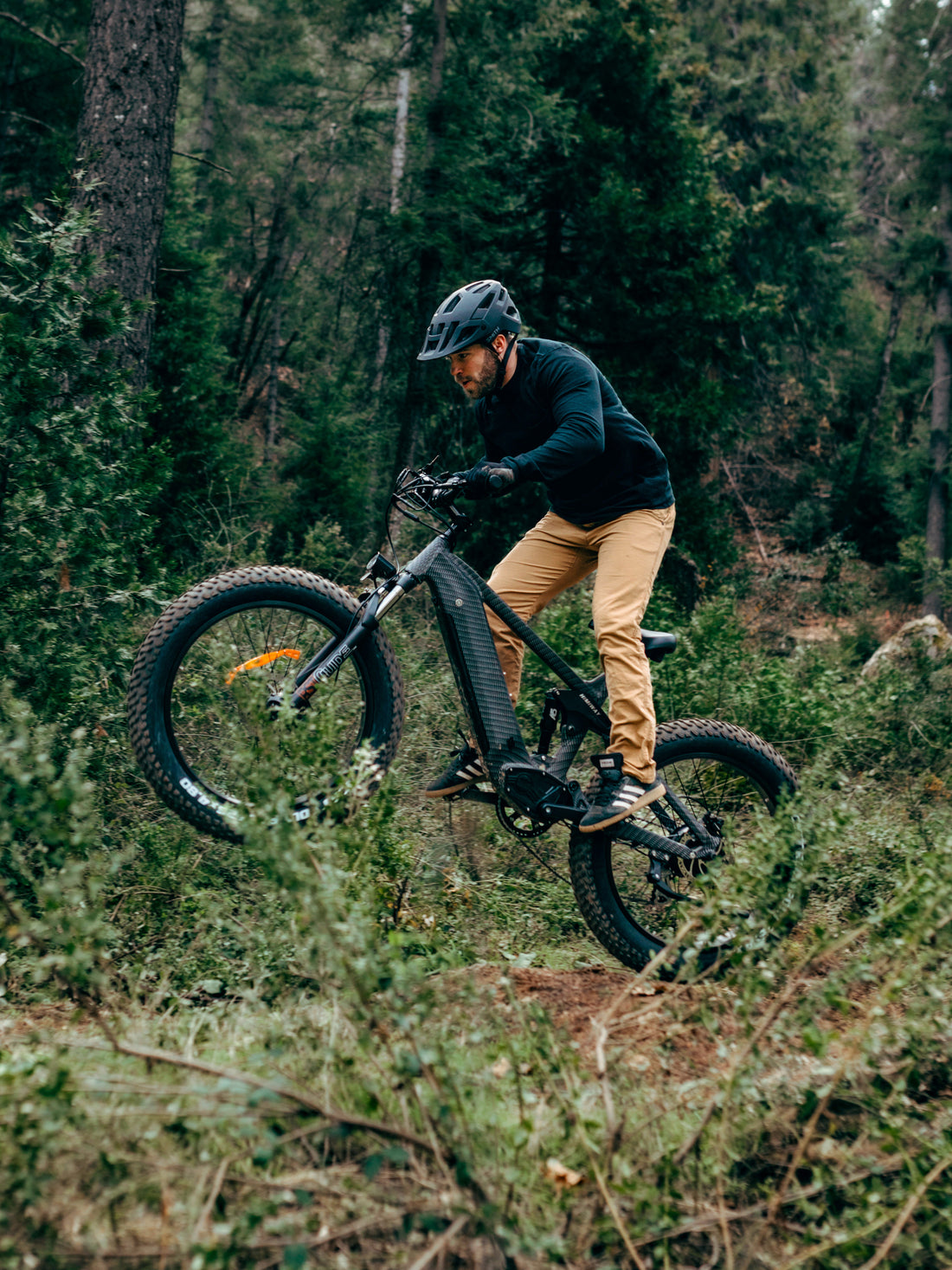
D7 / Full Suspension Electric Hunting Bike
-
80 Miles
Max Range
-
26x4.5
Super Fat Tire
-
Torque
Sensor
-
Hydraulic
Brakes


D5(Zebra) / All-terrain Electric Fat Bike
-
Torque
Sensor
-
960 Wh
Samsung/LG Battery
-
80 Miles
Max Range
-
750W
Motor


D5 ST(Zebra ST) / All-terrain Electric Fat Bike
-
Torque
Sensor
-
80 Miles
Max Range
-
400 lb.
Max Playload
-
Hydraulic
Brakes


Himiway D7 Pro Mountain eBike Unstoppable mountain performance
-
1000 W
Mid-drive Motor
-
28 Mph
Top Speed
-
960 Wh
Samsung/LG Battery
-
80 Miles
Max Range


Himiway D5 2.0 ST eBike Endless Comfort: Turning Rough Roads into Silk.
-
Full Suspension
Travel F:100mm R:130mm
-
Torque / Cadence
2 Riding Experiences
-
750W 90Nm
Geared Hub Motor
-
Smart Auto
5 Assist System


Himiway D5 2.0 eBike Endless Comfort: Turning Rough Roads into Silk.
-
Full Suspension
Travel F:100mm R:130mm
-
Torque / Cadence
2 Riding Experiences
-
750W 90Nm
Geared Hub Motor
-
Smart Auto
5 Assist System

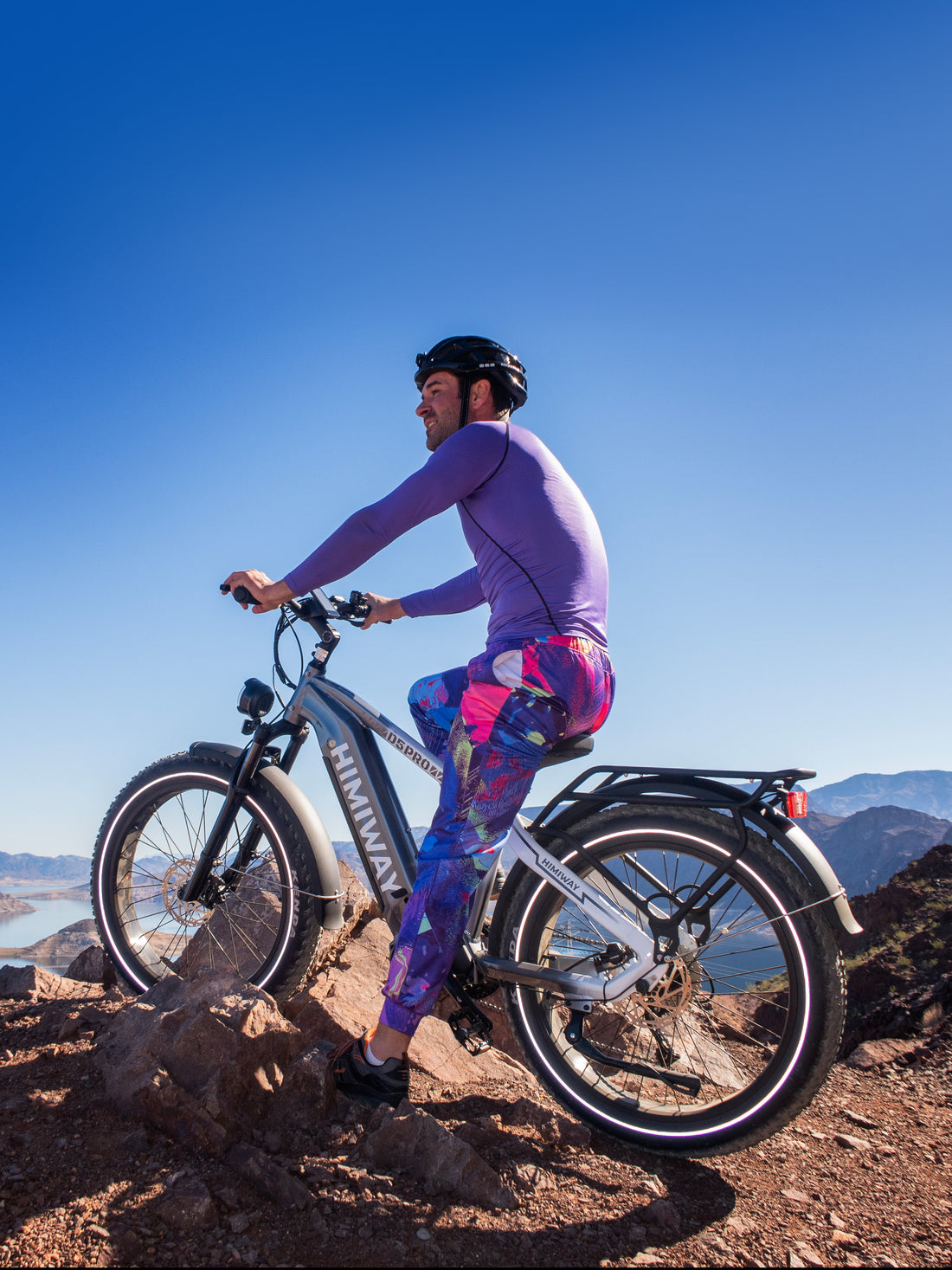
D5 Pro / All-terrain Electric Fat Bike Mid-Drive Power.
-
960 Wh
Samsung/LG Battery
-
80 Miles
Max Range
-
500 W
Mid-Drive Motor
-
20+ Mph
Top Speed
- Featured
- Most relevant
- Best selling
- Alphabetically, A-Z
- Alphabetically, Z-A
- Price, low to high
- Price, high to low
- Date, old to new
- Date, new to old
Best eBike for Bikepacking: Himiway D5 2.0 Camo
If you've been searching for the best electric bike for bikepacking, the Himiway D5 2.0 Camo is built for exactly this. Rugged, long-range, and capable on any terrain — it's the eBike that turns multi-day adventures into something actually possible.
What Makes an eBike Good for Bikepacking?
Bikepacking isn't just cycling — it's self-supported adventure riding across trails, gravel roads, forest paths, and remote terrain, often with loaded gear bags. The right eBike for bikepacking needs to check every one of these boxes:
- Range — enough battery to cover 50–100+ mile days, especially with added gear weight
- Payload capacity — able to carry a rider plus sleeping gear, food, tools, and water
- All-terrain tires — fat tires that handle gravel, dirt, mud, and loose surfaces
- Comfort over long distances — suspension and ergonomics that don't wreck your body after 6 hours
- Motor reliability — consistent pedal assist across elevation changes and rough ground
- Durability — a frame and drivetrain that can take the abuse of days in the backcountry
The Himiway D5 2.0 Camo meets every one of these criteria. Here's why.
Himiway D5 2.0 Camo: Built for the Backcountry
The Camo Colorway — Designed for the Outdoors
The D5 2.0 Camo isn't just a color choice — it's a statement about where this bike belongs. The camouflage finish is designed for riders who spend time on trails, in forests, at campsites, and off the beaten path. It blends into backcountry environments while delivering premium performance that keeps up with serious adventurers.
If you're bikepacking through national forests, camping along gravel routes, or exploring remote trailheads, the Camo variant signals exactly the kind of riding this bike was built for.
Dual Battery System: 15Ah + 15Ah = 30Ah Total
Range anxiety is the bikepacker's worst nightmare — running out of power miles from the nearest charger. The D5 2.0 Camo solves this with a dual 15Ah battery system for a combined 30Ah capacity.
What this means in practice:
- Extended range to support full-day bikepacking segments
- Battery headroom to run higher assist levels on loaded climbs without depleting power mid-route
- The ability to carry extra weight (gear, food, camping equipment) without sacrificing range
- Confidence to push into remote areas without obsessing over power levels
For multi-day touring and bikepacking, dual-battery range isn't a luxury — it's a requirement.
750W Motor / 90Nm Torque — Climbs with a Loaded Bike
A loaded bikepacking setup can add 30–50 lbs of gear to your carry weight. On steep gravel climbs or technical trail ascents, that load will expose the weakness of an underpowered motor fast.
The D5 2.0 runs a 750W hub motor producing 90Nm of torque — more than most Class 1 competitors. At 90Nm, it delivers:
- Effortless climbing even with full gear loads and a heavy rider
- Smooth, responsive pedal assist across all five levels
- Consistent power delivery on technical terrain and variable grades
- The torque to restart from a dead stop on a steep incline — critical when you're loaded up
Torque + Cadence Sensor: Both in One Bike
The D5 2.0 includes both a torque sensor and a cadence sensor, switchable by the rider.
- Torque sensor mode is ideal for technical trail sections where you need precise, proportional assist — push harder, get more power. It extends range by matching effort to output.
- Cadence sensor mode is perfect for long flat touring segments — steady, efficient assist that conserves energy over extended distances.
For bikepacking, having both means you can optimize for the terrain you're riding, not just ride with whatever sensor your bike ships with.
Fat Tires — All-Terrain Confidence
Bikepacking routes are rarely clean pavement. The D5 2.0's all-terrain fat tires provide:
- Wide contact patch for stability on loose gravel, dirt, and packed trail surfaces
- Natural shock absorption that reduces fatigue on rough terrain
- Reliable grip on wet or uneven ground
- Confident handling on descents with loaded panniers or bikepacking bags
Whether your route crosses forest roads, gravel paths, or mixed-surface trails, fat tires are a meaningful advantage over narrow-tire eBikes.
Full Suspension — Comfort After Hour 4
Short rides forgive a stiff frame. Bikepacking days do not. After four or five hours in the saddle on rough terrain, the difference between a hardtail and a full-suspension bike becomes very real — especially in your lower back, wrists, and shoulders.
The D5 2.0's full suspension system — front fork and rear shock — absorbs trail chatter, root crossings, and gravel vibrations before they reach your body. Combined with the upright riding geometry, it allows you to ride longer, arrive less fatigued, and recover faster between days.
For multi-day bikepacking trips, this isn't a comfort feature — it's a recovery and performance feature.
400 lb Payload Capacity — Gear-Ready
Standard eBikes are rated for 220–275 lbs. Most bikepackers with gear loads quickly push toward and past those limits. The D5 2.0's 400 lb payload capacity means:
- Heavier riders can bikepack without compromising safety ratings
- Riders of all sizes can carry full overnight or multi-day gear loads
- You're not mentally calculating gear weight before every trip
This is one of the most underrated specs for bikepacking eBikes — and one where the D5 2.0 separates itself from the competition.
Rider Fit: 5'1" to 6'5"
Bikepacking is for everyone. The D5 2.0 fits riders across a wide height range without requiring custom geometry or aftermarket adjustments. Whether you're shorter or taller than average, the adjustable fit means you can dial in a comfortable riding position for long days in the saddle.
D5 2.0 Camo vs. Standard D5 2.0 — What's Different?
The Camo variant shares the same performance platform as the standard D5 2.0. The distinction is in the finish and aesthetic — the Camo colorway is designed for outdoor-oriented riders who want a visual identity that matches where they ride: forests, trails, campsites, and backcountry terrain.
Both variants deliver the same motor, battery, suspension, and payload specs. The Camo is for riders who want their bike to look like it belongs in the wild.
Bikepacking Use Cases: Who Is the D5 2.0 Camo For?
- Weekend bikepackers tackling gravel routes with overnight gear
- Bike tourists doing multi-day road and trail touring with camping stops
- Campers who want a capable eBike for exploring around a base camp
- RV travelers who want a bike that can handle any terrain near their site
- Heavier or taller riders who need a high-capacity frame for adventure riding
- Trail riders who want fat tire stability on unpaved surfaces
- Long-distance cyclists who need extended range and comfort over full days
Key Specs for Bikepacking
| Spec | Detail |
|---|---|
| Motor | 750W Hub Motor |
| Torque | 90Nm |
| Battery | 15Ah + 15Ah (30Ah total) |
| Payload Capacity | 400 lbs |
| Rider Height | 5'1" – 6'5" |
| Suspension | Full Suspension |
| Tires | Fat Tire, All-Terrain |
| Sensor | Torque + Cadence (switchable) |
| Colorway | Camo |
| Best For | Bikepacking, Touring, Camping |
Bikepacking Setup Tips for the D5 2.0 Camo
To get the most out of your bikepacking build:
- Add a front rack or front basket — Himiway offers compatible racks designed for the D5 2.0 platform to carry panniers or bags up front
- Use cadence mode on flat touring segments to conserve battery over long distances
- Switch to torque mode on climbs with full gear loads for precise, efficient power delivery
- Pack a charging cable — with 30Ah on board, overnight charges at a campsite with power access will top you up for the next day
- Check tire pressure before each day — fat tires at the right pressure make a significant difference on mixed terrain
Ready to Start Your Bikepacking Adventure?
The Himiway D5 2.0 Camo is one of the best electric bikes for bikepacking available — combining the range, torque, payload capacity, and all-terrain capability that serious adventure riders need, with a finish built for the backcountry.
Ride Further Together
Himi Riders
Recognition from knights around the world
5-Star Reviews
The knights give an honest opinion
Professional Review
What the professional media really thinks of us

1000+Shop

2-Year Warranty

15-Day Trial

Free Shipping
Find a Local Himiway Shop Near You
Looking for a hands-on experience?
Find a Himiway electric bike shop near you and schedule a test ride today.
Bikes for Every Ride


