



Best eBike for Beginner


Himiway D5 2.0 20" eBike Easy to Maneuver. Built for Power.
-
Full Suspension
Travel F:90mm R:100mm
-
Torque / Cadence
2 Riding Experiences
-
750W 90Nm
Geared Hub Motor
-
440 lb.
Payload Capacity


Himiway D5 2.0 ST eBike Endless Comfort: Turning Rough Roads into Silk.
-
Full Suspension
Travel F:100mm R:130mm
-
Torque / Cadence
2 Riding Experiences
-
750W 90Nm
Geared Hub Motor
-
Smart Auto
5 Assist System


Himiway D5 2.0 Camo eBike Blend In, Ride Out: The Top Choice for Hunting
-
Full Suspension
Travel F:100mm R:130mm
-
Torque / Cadence
2 Riding Experiences
-
750W 90Nm
Geared Hub Motor
-
Smart Auto
5 Assist System


Himiway D5 2.0 eBike Endless Comfort: Turning Rough Roads into Silk.
-
Full Suspension
Travel F:100mm R:130mm
-
Torque / Cadence
2 Riding Experiences
-
750W 90Nm
Geared Hub Motor
-
Smart Auto
5 Assist System

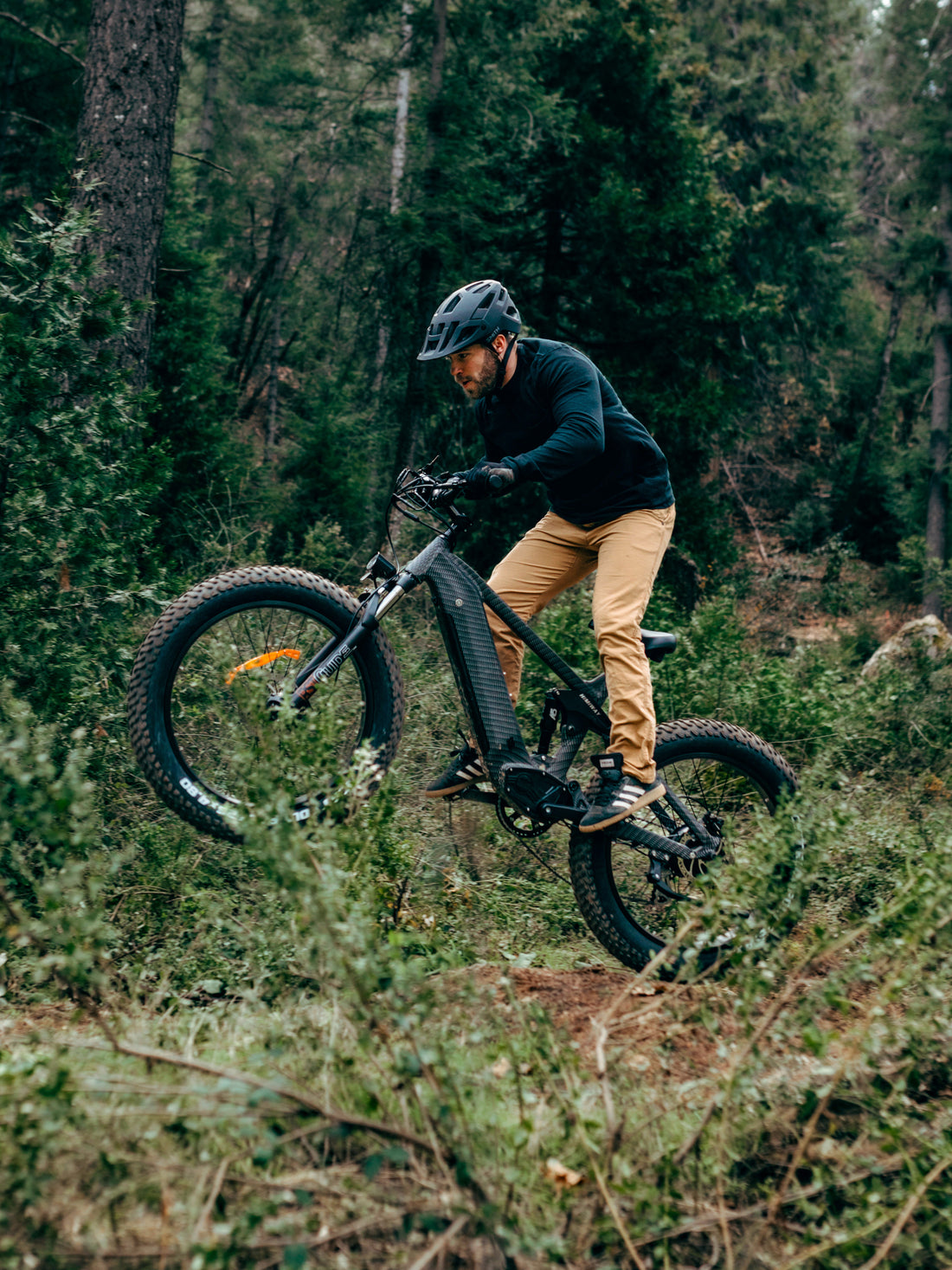
D7 / Full Suspension Electric Hunting Bike
-
80 Miles
Max Range
-
26x4.5
Super Fat Tire
-
Torque
Sensor
-
Hydraulic
Brakes


D5(Zebra) / All-terrain Electric Fat Bike
-
Torque
Sensor
-
960 Wh
Samsung/LG Battery
-
80 Miles
Max Range
-
750W
Motor


D5 ST(Zebra ST) / All-terrain Electric Fat Bike
-
Torque
Sensor
-
80 Miles
Max Range
-
400 lb.
Max Playload
-
Hydraulic
Brakes


Himiway D7 Pro Mountain eBike Unstoppable mountain performance
-
1000 W
Mid-drive Motor
-
28 Mph
Top Speed
-
960 Wh
Samsung/LG Battery
-
80 Miles
Max Range


Himiway A7 Commuter eBike Full Suspension, Pure Comfort.
-
Full Suspension
Travel F:120mm R:90mm
-
Torque / Cadence
2 Riding Experiences
-
Smart Auto
5 Assist System
-
70 Miles
Per Charge


Himiway A7 Pro Commuter eBike Full Suspension, Mid-Drive Power.
-
Full Suspension
Travel F:120mm R:90mm
-
500 W
Mid-Drive Motor
-
Torque
Sensor
-
Hydraulic
Brakes

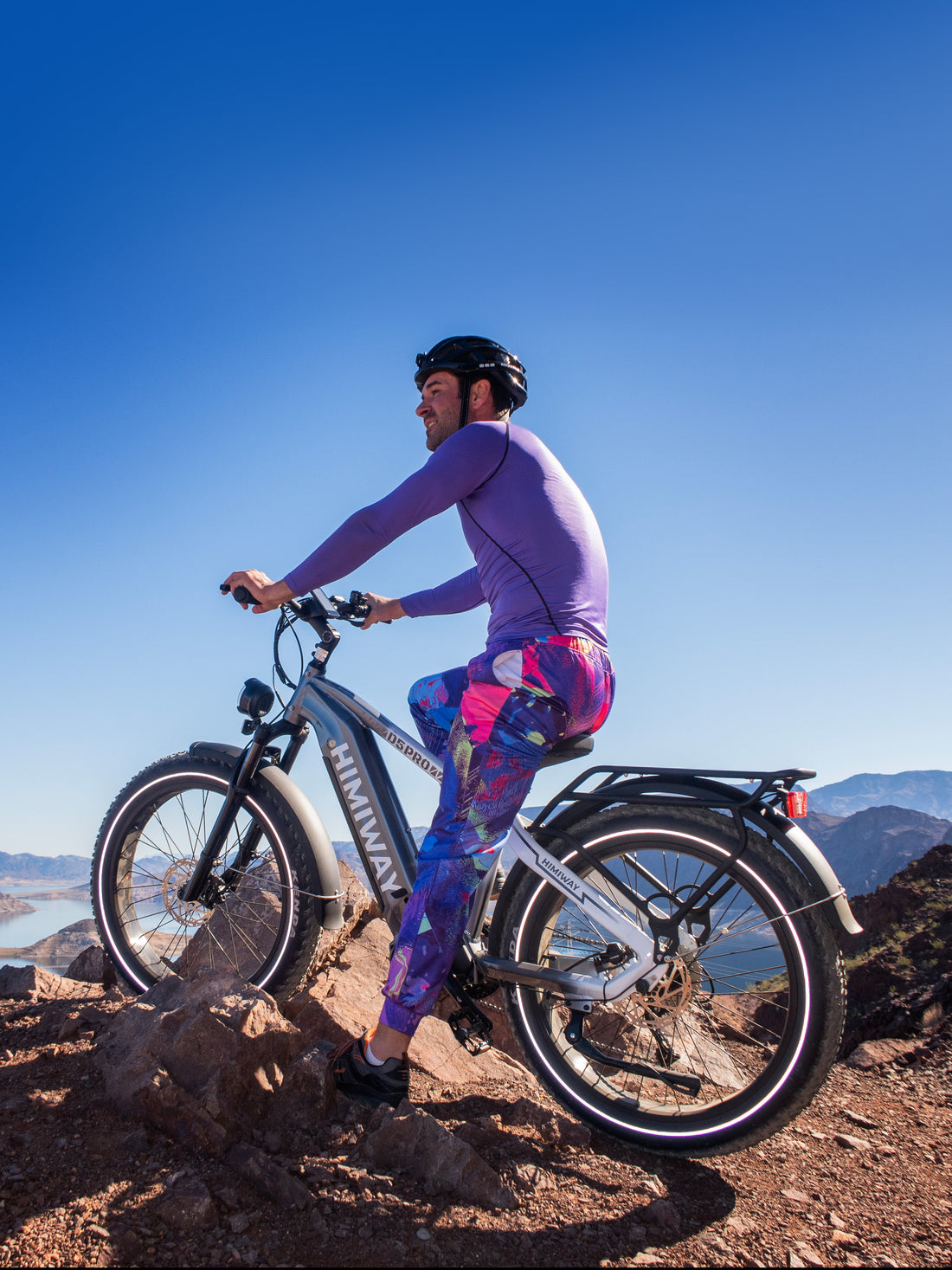
D5 Pro / All-terrain Electric Fat Bike Mid-Drive Power.
-
960 Wh
Samsung/LG Battery
-
80 Miles
Max Range
-
500 W
Mid-Drive Motor
-
20+ Mph
Top Speed
- Featured
- Most relevant
- Best selling
- Alphabetically, A-Z
- Alphabetically, Z-A
- Price, low to high
- Price, high to low
- Date, old to new
- Date, new to old
Best E-Bikes for Beginners: Start Your Ride with Confidence
Finding the right eBike for your first ride doesn't have to be overwhelming. Whether you're commuting to work, running errands, or exploring trails on weekends, choosing a beginner-friendly eBike means prioritizing three things: easy handling, intuitive controls, and confidence-inspiring features. Our selection focuses on step-through frames for effortless mounting, hydraulic brakes for reliable stopping power, and torque sensors that deliver a natural riding feel that makes every journey comfortable.
Easy Mounting with Step-Through Design
Step-through frames eliminate the high leg swing required on traditional bikes, making it simple to get on and off—especially when stopped at lights or carrying groceries. Perfect for riders of all heights and abilities, these accessible designs reduce intimidation and build confidence from your very first ride.
Confidence-Inspiring Safety Features
Hydraulic disc brakes provide superior stopping power in all weather conditions, while integrated lights ensure you're visible morning and night. UL-certified components and a robust 2-year warranty mean you can focus on enjoying the ride, not worrying about reliability.
Natural Riding Feel with Torque Sensors
Torque sensors respond proportionally to your pedaling effort, delivering power that feels intuitive and smooth—not jerky or unpredictable. This means smoother starts, better control on hills, and a more enjoyable riding experience that builds your skills naturally. Learn more about torque vs. cadence sensors.
Supportive Customer Service & Local Shops
Our comprehensive 2-year warranty, responsive support team, and network of over 1000 local dealers across the US mean help is always nearby. Whether you need assembly assistance, basic maintenance, or just have questions, you're supported every step of the way.
Sensible Range for Daily Riding
While big numbers sound impressive, most riders need 25-40 miles per charge for daily commutes and errands. Our beginner bikes deliver practical range that matches real-world use, with batteries that maintain performance over thousands of charge cycles.
Lightweight Enough to Handle
At 79-92 lbs, these bikes strike a balance between stability and maneuverability. They're sturdy enough for confident handling but not so heavy that you can't move them when needed—a key consideration for apartment dwellers or those with limited storage space.
Recommended E-Bikes for Beginners
Himiway D5 2.0 ST
- Easy step-through frame (19.3" standover)
- Switchable torque/cadence sensors
- Full suspension for comfort
- Hydraulic disc brakes
- 400 lb payload capacity
Himiway D5 Zebra ST
- Budget-friendly step-through design
- 960Wh battery (60-80 mile range)
- Torque sensor for natural feel
- 22.4" low standover height
- Hydraulic disc brakes
Himiway A7
- Perfect 5.0/5 rating (39 reviews)
- Full suspension for comfort
- 220mm wide memory foam saddle
- MIK HD rear rack included
- Available in Regular and Large sizes
Frequently Asked Questions
What makes an eBike beginner-friendly?
A beginner-friendly eBike should feel intuitive and confidence-inspiring from your first ride. The most important features include:
Step-through frames that eliminate the awkward leg swing, making mounting and dismounting effortless—especially when you're stopped at a traffic light or carrying bags. Hydraulic disc brakes provide consistent, reliable stopping power in all weather conditions, giving you confidence to brake when needed. Torque sensors deliver power proportionally to your pedaling effort, creating a natural, smooth riding experience rather than jerky starts that can feel unpredictable.
Additionally, look for bikes with UL certification, which ensures the battery and electrical components meet rigorous safety standards. Good customer service and a network of local service centers are also crucial for beginners who may need assembly help or have questions.
How much should I realistically budget for a quality beginner eBike?
While eBikes are available from $700 to $3,000+, the sweet spot for beginners is $1,000-$1,800. This range gets you essential safety features like hydraulic brakes, a reliable battery with real-world 30-50 mile range, and quality components that won't need frequent replacement.
Budget models under $800 often sacrifice safety features (mechanical brakes instead of hydraulic) or use lower-quality batteries that degrade quickly. Meanwhile, bikes over $2,000 typically offer advanced features like mid-drive motors or premium suspension that beginners may not need initially.
Our eBikes under $2,000 collection focuses on this optimal value range, and we offer financing through Klarna and Affirm to make your purchase more manageable with interest-free installment options.
Do I need a step-through frame if I'm a taller or younger rider?
Absolutely—step-through frames aren't just for seniors or shorter riders. They're simply easier and more practical for everyone.
Consider real-world scenarios: stopping at a traffic light while carrying a backpack, wearing business clothes, or needing to quickly dismount in an unexpected situation. Step-through designs eliminate the awkward leg swing and reduce the risk of losing balance, regardless of your height or fitness level. Even experienced riders often prefer step-through frames for commuting because they're simply more convenient.
If you're concerned about frame strength, modern step-through frames use reinforced aluminum alloy construction and can handle the same 400 lb payload capacity as traditional high-step frames.
What's the difference between torque sensor and cadence sensor, and why does it matter?
Torque sensors measure how hard you're pedaling and respond proportionally—press harder, get more power; pedal gently, get gentle assistance. This creates a natural, bike-like feel that's ideal for beginners because it's intuitive and predictable.
Cadence sensors simply detect that you're pedaling and deliver a consistent amount of power regardless of your effort. This can feel "on/off" or jerky, especially when starting from a stop, making it harder for beginners to develop smooth riding skills.
For new riders, torque sensors are strongly recommended because they encourage proper pedaling technique and make the bike feel more responsive and controllable. Learn more in our detailed torque vs. cadence sensor comparison.
How far can I actually ride on a single charge?
Be wary of inflated range claims. In real-world conditions, expect 25-40 miles for daily commuting with moderate pedal assist, or 40-65 miles if you're riding primarily on low assist levels on flat terrain.
Range depends heavily on factors like your weight, terrain (hills drain batteries faster), assist level, wind conditions, and temperature. A 720Wh battery typically delivers 30-50 miles for most riders, while a larger 960Wh battery can reach 50-80 miles under optimal conditions.
For beginners, it's smarter to choose a bike with practical range that matches your daily needs rather than chasing maximum numbers. Our long-range eBikes feature batteries sized for all-day riding, and you can maximize your range by following our battery maintenance guide.
Should I get hydraulic or mechanical brakes as a beginner?
Hydraulic disc brakes are essential for beginners, not optional. Here's why: eBikes are heavier than regular bikes (70-90 lbs) and travel faster (up to 20-28 mph), requiring significantly more stopping power.
Hydraulic brakes provide consistent, powerful braking with less hand effort, work reliably in rain or snow, and require minimal maintenance. Mechanical brakes, by contrast, require frequent cable adjustments, provide less stopping power, and can feel inconsistent—creating a safety risk for riders still developing their skills.
While mechanical brakes are cheaper, they're a false economy for a vehicle you're trusting with your safety. Every eBike in our beginner collection includes hydraulic brakes as standard, ensuring you can stop confidently in any situation.
Is assembling an eBike difficult for someone with no bike experience?
Most eBikes arrive 85-90% assembled, requiring only basic steps: attaching the front wheel, handlebars, pedals, and seat. With clear instructions and basic tools (often included), many beginners complete assembly in 30-60 minutes.
However, if you're not mechanically inclined, consider these options: Visit one of our 1000+ local dealer partners who can assemble your bike for a modest fee ($50-100), or have it shipped directly to a local bike shop for professional assembly.
Even if you assemble it yourself, it's wise to have a bike shop perform a safety check before your first long ride. They'll verify brake adjustment, tire pressure, and torque specifications—small details that ensure a safe, enjoyable experience. Most shops charge $30-50 for this service.
Can I ride an eBike if I haven't ridden a regular bike in years?
Yes, but start slowly and practice in a safe, traffic-free area first. eBikes are actually easier to balance than traditional bikes because the motor assistance helps you maintain momentum, which improves stability. However, they're also heavier and faster, requiring adjusted braking techniques.
Practice these fundamentals before venturing onto roads: smooth starts and stops, using both brakes together (front brake provides 70-80% of stopping power), switching between pedal assist levels, and making turns at various speeds. Always wear a helmet—this is non-negotiable.
Start with lower assist levels to build confidence and muscle memory, then gradually increase power as your skills improve. The eBike safety checklist provides essential guidance for new and returning riders.
What ongoing maintenance should I expect?
eBikes require similar maintenance to regular bikes, plus basic battery care. Monthly tasks include checking tire pressure (proper inflation dramatically affects range and ride quality), cleaning the chain and applying lubricant, and inspecting brake pads for wear.
Every 500-1000 miles, have a bike shop perform a tune-up: adjusting brakes and gears, truing wheels, and checking electrical connections. This typically costs $75-150 but prevents expensive repairs down the road.
For the battery, avoid leaving it fully discharged for extended periods, store it indoors in moderate temperatures, and follow our comprehensive battery care guide. With proper maintenance, your eBike battery should maintain 80% capacity after 1,000 charges—representing years of daily use.
Ride Further Together
Himi Riders
Recognition from knights around the world
5-Star Reviews
The knights give an honest opinion
Professional Review
What the professional media really thinks of us

1000+Shop

2-Year Warranty

15-Day Trial

Free Shipping
Find a Local Himiway Shop Near You
Looking for a hands-on experience?
Find a Himiway electric bike shop near you and schedule a test ride today.
Bikes for Every Ride


