



Best E-Bikes for Fitness

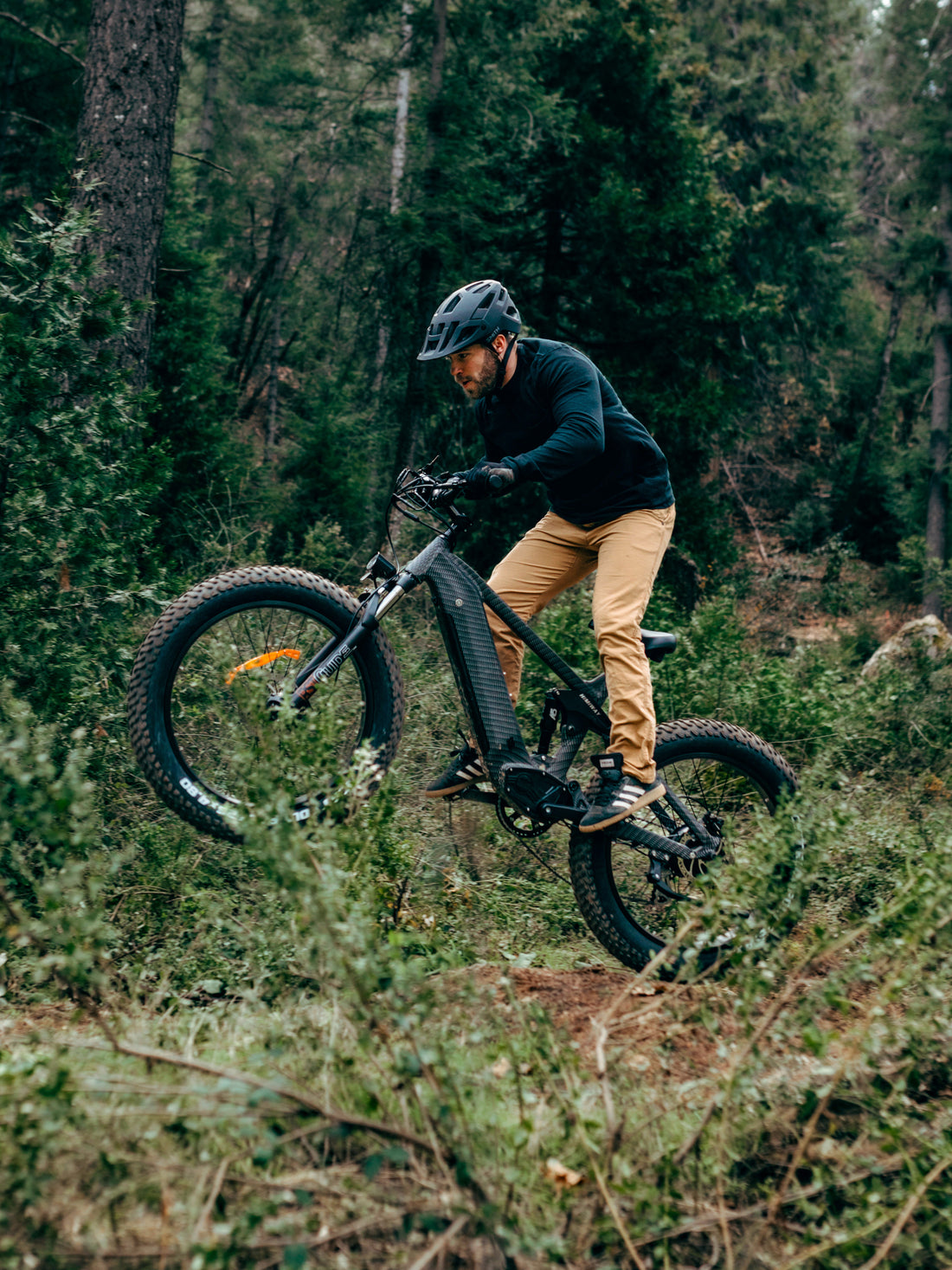
D7 / Full Suspension Electric Hunting Bike
-
80 Miles
Max Range
-
26x4.5
Super Fat Tire
-
Torque
Sensor
-
Hydraulic
Brakes


D5(Zebra) / All-terrain Electric Fat Bike
-
Torque
Sensor
-
960 Wh
Samsung/LG Battery
-
80 Miles
Max Range
-
750W
Motor


D5 ST(Zebra ST) / All-terrain Electric Fat Bike
-
Torque
Sensor
-
80 Miles
Max Range
-
400 lb.
Max Playload
-
Hydraulic
Brakes


Himiway D7 Pro Mountain eBike Unstoppable mountain performance
-
1000 W
Mid-drive Motor
-
28 Mph
Top Speed
-
960 Wh
Samsung/LG Battery
-
80 Miles
Max Range


Himiway D5 2.0 ST eBike Endless Comfort: Turning Rough Roads into Silk.
-
Full Suspension
Travel F:100mm R:130mm
-
Torque / Cadence
2 Riding Experiences
-
750W 90Nm
Geared Hub Motor
-
Smart Auto
5 Assist System


Himiway D5 2.0 eBike Endless Comfort: Turning Rough Roads into Silk.
-
Full Suspension
Travel F:100mm R:130mm
-
Torque / Cadence
2 Riding Experiences
-
750W 90Nm
Geared Hub Motor
-
Smart Auto
5 Assist System


Himiway D5 2.0 Camo eBike Blend In, Ride Out: The Top Choice for Hunting
-
Full Suspension
Travel F:100mm R:130mm
-
Torque / Cadence
2 Riding Experiences
-
750W 90Nm
Geared Hub Motor
-
Smart Auto
5 Assist System

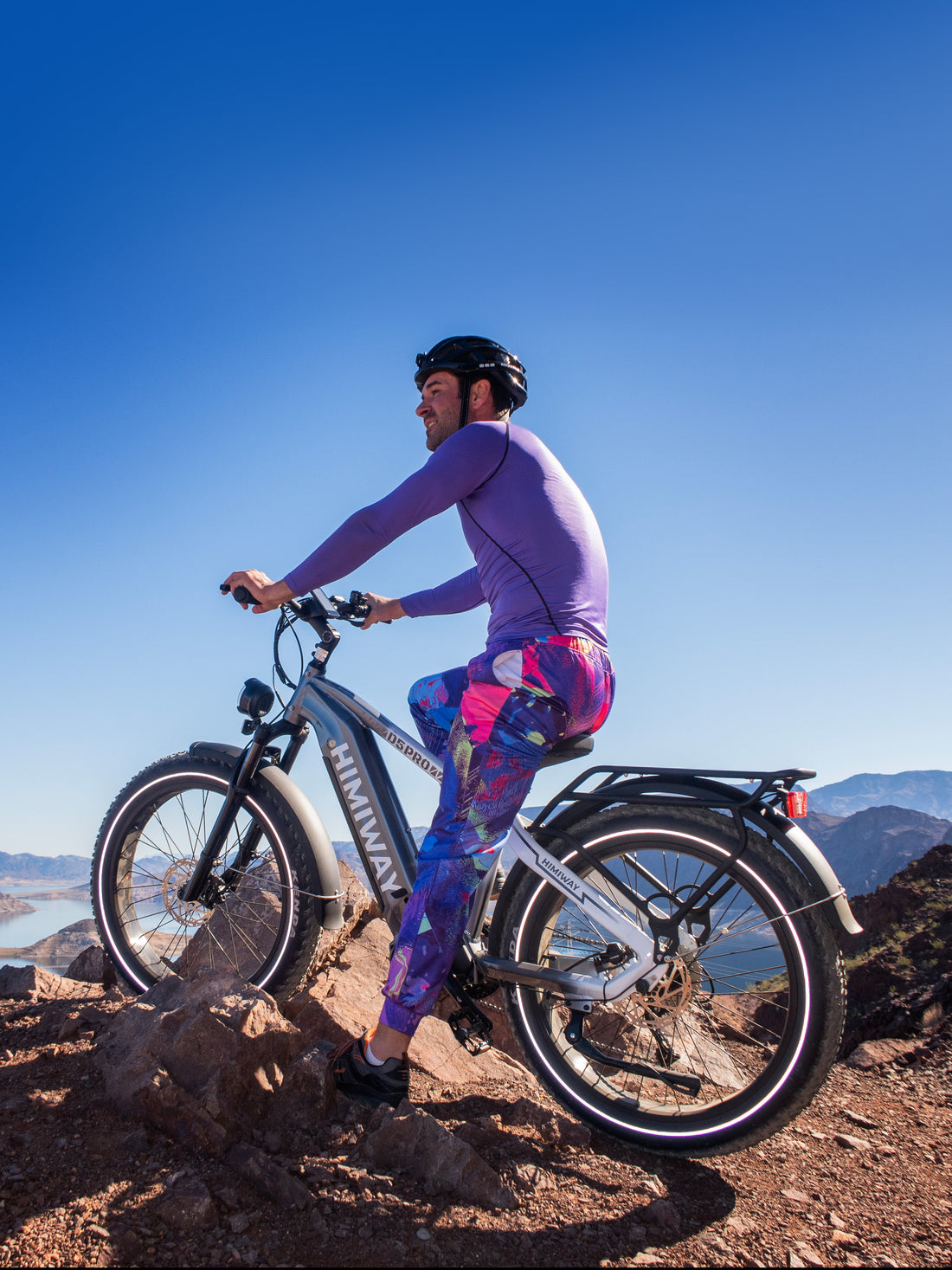
D5 Pro / All-terrain Electric Fat Bike Mid-Drive Power.
-
960 Wh
Samsung/LG Battery
-
80 Miles
Max Range
-
500 W
Mid-Drive Motor
-
20+ Mph
Top Speed
- Featured
- Most relevant
- Best selling
- Alphabetically, A-Z
- Alphabetically, Z-A
- Price, low to high
- Price, high to low
- Date, old to new
- Date, new to old
E-Bikes for Fitness and Weight Loss
Can e-bikes actually help with fitness? The answer is yes—backed by research and real user success stories. Studies from UCLA and the World Health Organization confirm that e-bike riding provides moderate to vigorous physical activity that meets recommendations for healthy living. More importantly, riders report 40-100 pound weight loss results because e-bikes solve a critical problem: consistency. When hills, distance, and fatigue no longer stop you from riding, you ride more often—and that's what builds lasting fitness.
Ride More Consistently, Get Fitter
The biggest barrier to fitness isn't intensity—it's consistency. E-bikes remove obstacles like steep hills, long distances, and fatigue that prevent regular cycling. Riders report going out 2-3 times more frequently with electric assist, and making exercise a sustainable habit rather than an occasional struggle.
Progressive Training with Adjustable Assist
Start with higher assistance levels and gradually decrease as your fitness improves. Torque sensors require real pedaling effort—not just spinning pedals—ensuring you get genuine exercise. Many riders naturally progress from needing high assist to riding with minimal or no assistance as their strength builds.
Proven Weight Loss Results
Real riders document 40-100 pound weight loss combining e-bike riding with reasonable diet changes. The key is sustainable cardio in heart rate zone 2 (65% max HR), which is ideal for fat burning and achievable on e-bikes without burnout. Low-impact activity you can maintain is more effective than intense workouts you can't sustain.
Fitness for Everyone
E-bikes provide accessibility for riders with joint pain, disabilities, asthma, heart conditions, or age-related limitations. The confidence of having electric assist removes the fear of getting stuck far from home, encouraging riders to push their limits safely. Exercise outdoors delivers mental health benefits beyond physical fitness alone.
Recommended E-Bikes for Fitness
Himiway A3
- Torque sensor requires real pedaling effort
- 68.3 lb—lightest weight for easier unassisted riding
- 70-mile range for long fitness rides
- Unibody construction 232% stronger
- 500W motor with 86Nm torque
- 28 mounting points for customization
Himiway D5 Zebra
- Torque sensor for efficient power delivery
- 960Wh battery—60 to 80 mile maximum range
- 750W motor (86Nm torque)
- 9-speed Shimano for workout variety
- 400 lb payload capacity
- 26x4.0" fat tires for all-terrain training
Himiway D5 2.0
- Switchable torque/cadence sensor options
- Full suspension reduces joint stress
- DDK memory foam saddle for longer rides
- 65-mile range on 720Wh battery
- 750W motor with 90Nm torque
- Maxxis Minion tires for trail capability
Frequently Asked Questions
Can e-bikes actually help you lose weight?
Yes, e-bikes are effective for weight loss when combined with consistent riding and reasonable dietary habits. The key advantage is sustainable consistency rather than intense bursts of exercise you can't maintain.
Real riders report significant results:
- 80 pounds lost in 18 months riding everywhere under 10 miles
- 40 kg (88 lbs) fat loss with 15 kg (33 lbs) muscle gain over several months
- 100 pounds lost combining e-bike commuting with diet improvements
Why e-bikes work for weight loss: They enable low-intensity cardio in heart rate zone 2 (around 65% max heart rate), which is optimal for fat burning. You can sustain zone 2 effort for 30-60 minutes or longer without exhaustion, making it practical to ride daily rather than occasionally. Research from UCLA confirms e-bike riding meets the World Health Organization's intensity standards for healthy physical activity.
The formula is simple: ride more frequently (3-5 times weekly), maintain moderate effort with adjustable assist, and combine with sensible eating. Consistency beats intensity for lasting weight loss.
Do you still get a workout on an e-bike or does the motor make it too easy?
You absolutely get a workout—the level of effort is entirely under your control through assist level adjustment and how hard you pedal. The motor amplifies your effort rather than replacing it.
How assist levels control workout intensity:
- Eco/Low assist (Level 1-2): You provide most of the power; the motor adds 25-50% assistance. This feels similar to riding a regular bike on flat terrain and provides genuine cardio exercise.
- Medium assist (Level 3): Balanced effort between rider and motor. Good for maintaining zone 2 heart rate during longer rides.
- High assist (Level 4-5): Use for recovery days, steep hills, headwinds, or when fatigued. Even with high assist, pedaling still burns calories and maintains cardiovascular activity.
- No assist (Level 0): Turns off the motor entirely. E-bikes are heavier than regular bikes (60-90 lbs), so riding without assist is actually more challenging and builds strength.
Riders using heart rate monitors confirm their heart rate stays elevated in healthy aerobic zones. The comparison is often made to walking vs. running—e-bike riding is less intense than aggressive road cycling, but when done frequently and for longer durations, it produces superior fitness results compared to occasional intense workouts.
The psychological benefit is crucial: knowing you can increase assist if needed removes the fear of overexertion, encouraging you to ride farther and more often.
How should I use assist levels to maximize fitness benefits?
The most effective strategy is progressive training: start with higher assistance and gradually reduce it as your fitness improves over weeks and months.
Beginner Strategy (Weeks 1-4):
- Start with medium to high assist (Level 3-4) to build confidence and habit
- Focus on consistency—ride 3-4 times per week, even if just 20-30 minutes
- Don't worry about effort level; getting out regularly is the goal
- Use high assist for all hills without guilt
Intermediate Strategy (Months 2-4):
- Drop to eco/low assist (Level 1-2) on flat terrain and gradual inclines
- Use medium assist only for moderate hills
- Increase ride duration to 45-60 minutes
- Notice your speed at low assist levels increasing—this indicates fitness gains
Advanced Strategy (4+ months):
- Ride with assist off on flats, using only eco mode for hills
- Challenge yourself with longer rides (90+ minutes)
- Some riders transition to regular bikes for certain rides while keeping e-bike for others
Weekly Training Structure: Vary intensity throughout the week. Monday/Tuesday: low assist for harder workouts. Wednesday/Thursday: medium assist for moderate effort. Friday: high assist for active recovery. This prevents burnout while building progressive fitness.
The key is listening to your body and gradually challenging yourself—not comparing to others or feeling pressure to ride without assist before you're ready.
What's the difference between torque sensors and cadence sensors for fitness?
The sensor type significantly affects your workout quality. Torque sensors are superior for fitness because they measure how hard you push the pedals and proportionally add assistance, requiring genuine effort. Cadence sensors only detect pedal rotation and provide assistance regardless of effort level.
Torque Sensor Benefits for Fitness:
- Forces you to actually pedal with effort to receive motor assistance
- Creates a natural, intuitive riding feel similar to regular bikes
- Difficult to "cheat"—the motor only helps when you're working
- Automatically adjusts power based on terrain without manual intervention
- Efficient battery use by matching assistance to actual need
Cadence Sensor Characteristics:
- Motor activates when pedals rotate, regardless of pressure applied
- Easier to "ghost pedal" (spinning lightly while motor does the work)
- Can still provide good exercise if you discipline yourself to pedal hard
- More abrupt power delivery—motor is either on or off
For serious fitness goals, prioritize torque sensor e-bikes. The A3 and D5 Zebra both feature torque sensors that ensure you're getting genuine exercise. The D5 2.0 offers switchable torque/cadence options, giving you flexibility for different riding goals.
That said, any pedaling is better than no exercise. If you already own a cadence sensor bike, focus on consciously maintaining effort rather than letting the motor do all the work.
Will an e-bike help if I have joint pain, disabilities, or limited mobility?
E-bikes are especially beneficial for riders with physical limitations because they remove the barriers that prevent exercise while still providing cardiovascular and strength benefits. Many riders with disabilities, chronic pain, or age-related mobility issues report life-changing improvements in their fitness and independence.
Success Stories from Riders with Limitations:
- Amputee rider: "Lost 10 lbs in two months, logged 600+ miles. My balance is getting better and I'm starting to climb small grades without assist."
- Disabled rider: "My e-trike means I can exercise so much more. I can turn it on for bits I struggle with and turn it off on flats. Battery still estimating 80-mile range after a 20-mile ride—I'm getting plenty of exercise."
- Hip replacement patient: "Walking is excruciating, but cycling goes well as long as I avoid situations requiring high force on pedals. E-bike lets me ride farther without worrying about getting home with an angry hip."
- Asthma sufferer: "Afraid to try ambitious routes on regular bike in case asthma flares. Now I can ride with confidence knowing I have help if needed."
Key Features for Accessibility:
- Step-through frames: Low standover height eliminates the need to swing your leg high over the frame—critical for hip, knee, or balance issues
- Full suspension: Absorbs bumps and vibrations that aggravate joint pain, allowing longer comfortable rides
- Throttle option: Lets you rest legs completely when needed while continuing to move
- Comfortable saddles: Reduces pressure points that cause pain during extended sitting
The psychological impact is equally important: e-bikes restore the confidence to explore, knowing you won't get stranded if your body doesn't cooperate. This mental reassurance often leads riders to discover they're more capable than they thought—attempting hills they would have avoided before.
The D5 2.0 Step-Through combines accessibility (low entry), comfort (full suspension and memory foam saddle), and range (65 miles) in one package ideal for riders with mobility concerns.
How far should I ride for fitness benefits?
Health guidelines recommend 30 minutes of moderate physical activity most days of the week. At average e-bike speeds of 12-15 mph with low to medium assist, this translates to roughly 6-8 miles per ride. However, frequency and consistency matter more than individual ride distance.
Fitness by Riding Duration:
- 20-30 minutes (5-8 miles): Meets minimum health guidelines. Great for busy schedules. Ride daily if possible.
- 45-60 minutes (10-15 miles): Optimal for cardiovascular fitness and weight loss. Allows sustained zone 2 heart rate activity.
- 90+ minutes (20+ miles): Endurance training. Builds stamina and burns significant calories. 2-3 times weekly sufficient.
Better Frequency Strategy: Five 30-minute rides per week (totaling 2.5 hours of exercise) produces superior fitness results compared to one 2.5-hour ride weekly. Muscle recovery, metabolic adaptation, and habit formation all benefit from regular frequency rather than occasional long efforts.
For weight loss specifically, longer duration at moderate intensity (zone 2) burns more fat than shorter high-intensity efforts. E-bikes excel here because you can comfortably sustain 60-90 minute rides without exhaustion, whereas that duration might be unsustainable on a regular bike for less fit riders.
Range Considerations: Choose a bike with sufficient battery range for your goals. For daily 30-minute commutes (8-10 miles round trip), a 60-mile range bike like the D5 2.0 provides a week of rides per charge. For longer weekend training rides (40-50 miles), the 60-80 mile capacity of the D5 Zebra ensures you won't run out of battery.
Start with what feels achievable and gradually increase distance as fitness improves. The e-bike removes the intimidation factor of distance, allowing organic progression.
Will I eventually not need the electric assist?
Many riders experience progressive fitness gains that reduce their reliance on electric assist over time. Some riders eventually transition to regular bikes for certain routes, while others continue enjoying e-bikes at lower assist levels. Both outcomes represent successful fitness improvement.
Common Progression Patterns:
- Month 1-2: Rely on medium to high assist for most rides. Focus on building the habit.
- Month 3-4: Notice you can maintain speed at lower assist levels. Start using eco mode more frequently.
- Month 5-6: Ride with assist off on flat routes, using low assist only for hills. Surprised by your own capability.
- 6+ months: Some riders buy regular bikes for fitness rides while keeping e-bikes for commuting or leisure. Others happily continue on e-bikes with minimal assist, enjoying the option of power when desired.
One rider's testimony: "Started needing power assist for everything. Now I'm starting to get up small grades by myself. Absolutely fitter thanks to my e-bike." Another: "Went on 10-mile e-bike rides using throttle alone, then moved to pedal assist, then lowered to level one. Now I use my e-bike for off-road trails and a regular bike for 25-mile rides."
Why Some Keep Using E-Bikes:
- Ride longer distances than they would attempt on regular bikes
- Enjoy tackling terrain they'd otherwise avoid (mountains, trails)
- Social riding with faster friends or less-fit family members
- Commuting practicality (arrive without excessive sweat)
- Simply prefer the option of assistance for unpredictable conditions
The goal isn't to "graduate" from e-bikes—it's to establish a sustainable, enjoyable exercise routine that improves your health. Whether that means reducing assist over time or continuing to use it while riding farther and more adventurously, both represent fitness success.
Remember: riding an e-bike with low assist is still more exercise than not riding at all. Don't let perfectionism prevent you from enjoying the journey.
Can I use an e-bike for fitness if I'm overweight?
Absolutely. E-bikes are particularly well-suited for overweight riders beginning a fitness journey because they reduce the joint stress and cardiovascular strain that can make traditional cycling difficult or discouraging. The key is choosing a bike with appropriate payload capacity and understanding that sustainable, consistent exercise matters more than intensity.
Why E-Bikes Work for Weight Loss:
- Low-impact cardio: Cycling is easier on knees, hips, and ankles than running or high-impact exercise
- Adjustable intensity: Increase assist on hard days, decrease on good days—adapt to how you feel
- No intimidation factor: Hills and distance don't prevent riding, removing common excuses
- Builds consistency: Enjoyable exercise you'll actually do beats intense workouts you avoid
Payload Capacity Guidance: Look for bikes rated for 300-400 lb total payload. This includes your body weight PLUS the weight of any carried items (backpack, water, etc.). For example, the D5 Zebra and D5 2.0 both support 400 lb total capacity, providing headroom for most riders plus gear.
Realistic Expectations: Focus on process over outcomes. Aim for 3-4 rides weekly of 30-45 minutes each, using whatever assist level keeps you riding consistently. Track your frequency and duration, not your speed or distance. As one rider reported: "I'd lose more weight on a regular bike per ride, but I ride 2-3 times more often on my e-bike, getting way more total exercise."
Comfort Features to Prioritize:
- Wide, padded saddle: Reduces pressure and discomfort during longer rides
- Suspension: Absorbs bumps and reduces joint impact, especially important for heavier riders
- Step-through frame: Easier mounting without the flexibility or balance required for high-step frames
Combine e-bike riding with sensible dietary improvements (not extreme dieting) for best results. Exercise creates momentum for healthier choices, and healthy choices improve your energy for exercise—a positive feedback loop. Many riders report that regular riding naturally motivates them to make better food decisions without strict dieting.
Ride Further Together
Himi Riders
Recognition from knights around the world
5-Star Reviews
The knights give an honest opinion
Professional Review
What the professional media really thinks of us

1000+Shop

2-Year Warranty

15-Day Trial

Free Shipping
Find a Local Himiway Shop Near You
Looking for a hands-on experience?
Find a Himiway electric bike shop near you and schedule a test ride today.
Bikes for Every Ride


