


Long Range Ebike For Adults


Himiway D5 2.0 20" eBike Easy to Maneuver. Built for Power.
-
Full Suspension
Travel F:90mm R:100mm
-
Torque / Cadence
2 Riding Experiences
-
750W 90Nm
Geared Hub Motor
-
440 lb.
Payload Capacity


Himiway D5 2.0 ST eBike Endless Comfort: Turning Rough Roads into Silk.
-
Full Suspension
Travel F:100mm R:130mm
-
Torque / Cadence
2 Riding Experiences
-
750W 90Nm
Geared Hub Motor
-
Smart Auto
5 Assist System


Himiway D5 2.0 Camo eBike Blend In, Ride Out: The Top Choice for Hunting
-
Full Suspension
Travel F:100mm R:130mm
-
Torque / Cadence
2 Riding Experiences
-
750W 90Nm
Geared Hub Motor
-
Smart Auto
5 Assist System


D5(Zebra) / All-terrain Electric Fat Bike
-
Torque
Sensor
-
960 Wh
Samsung/LG Battery
-
80 Miles
Max Range
-
750W
Motor


Himiway D7 Pro Mountain eBike Unstoppable mountain performance
-
1000 W
Mid-drive Motor
-
28 Mph
Top Speed
-
960 Wh
Samsung/LG Battery
-
80 Miles
Max Range

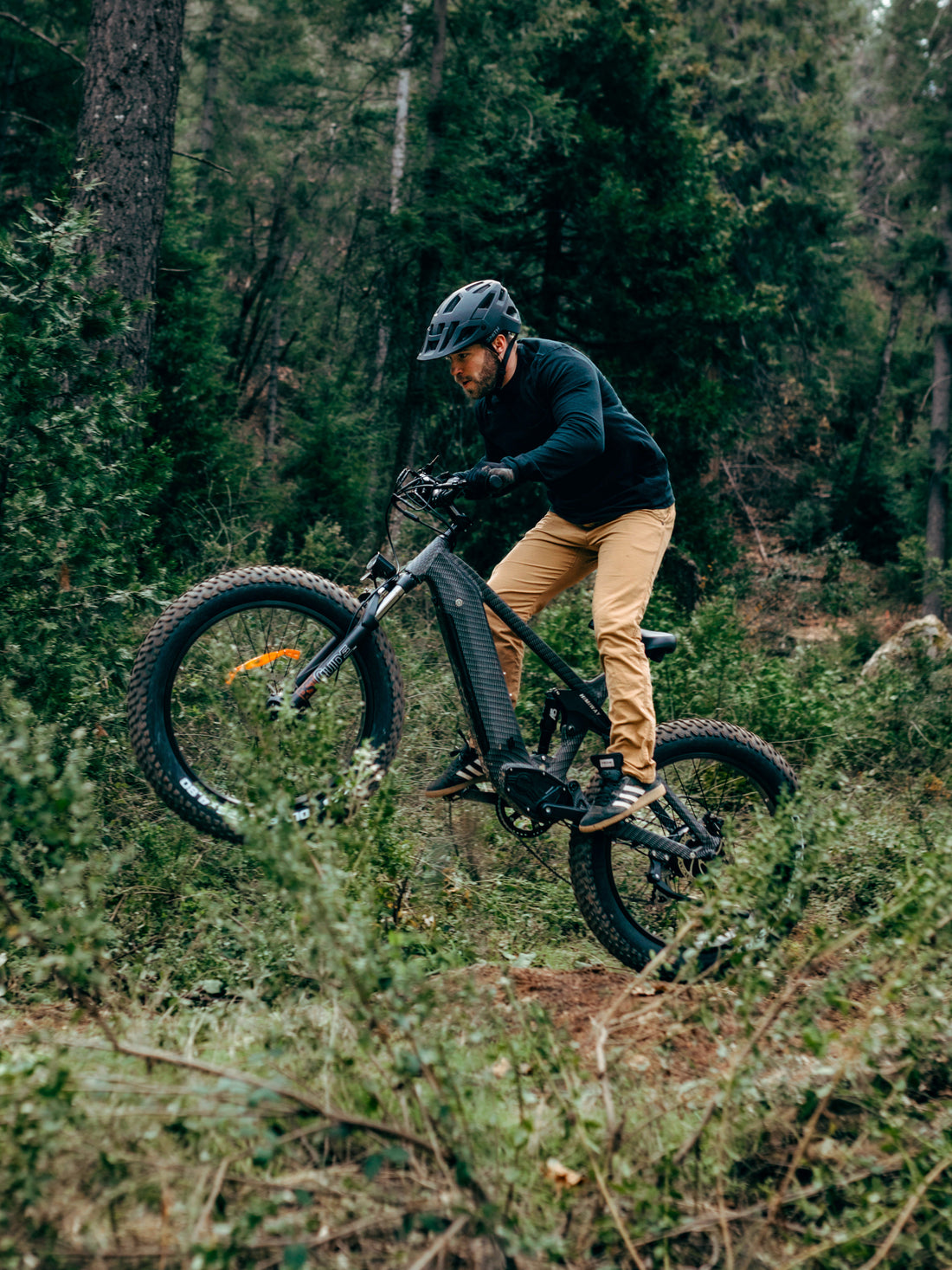

D7 / Full Suspension Electric Hunting Bike
-
80 Miles
Max Range
-
26x4.5
Super Fat Tire
-
Torque
Sensor
-
Hydraulic
Brakes


D5 ST(Zebra ST) / All-terrain Electric Fat Bike
-
Torque
Sensor
-
80 Miles
Max Range
-
400 lb.
Max Playload
-
Hydraulic
Brakes

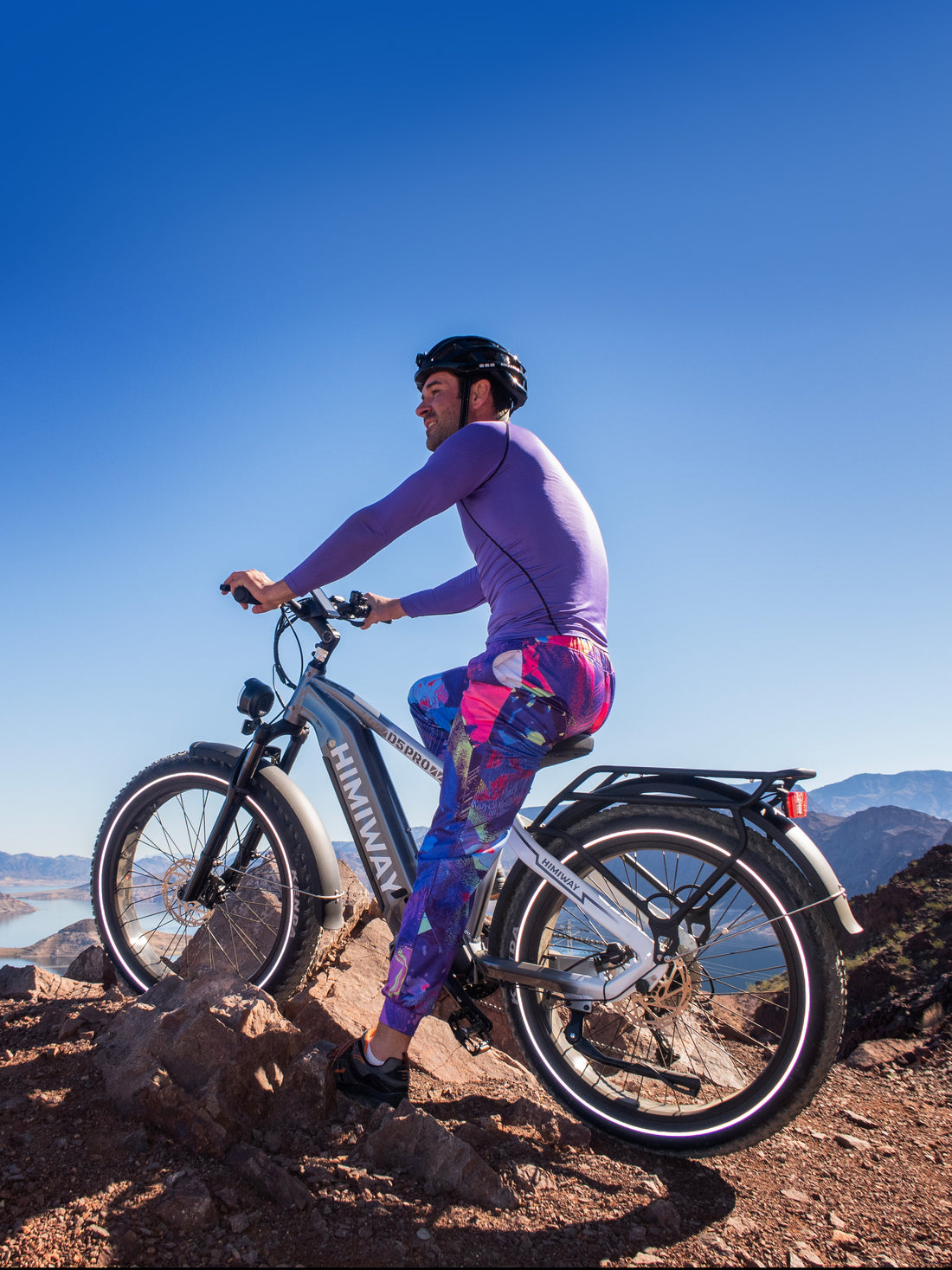

D5 Pro / All-terrain Electric Fat Bike Mid-Drive Power.
-
960 Wh
Samsung/LG Battery
-
80 Miles
Max Range
-
500 W
Mid-Drive Motor
-
20+ Mph
Top Speed


Himiway D5 2.0 eBike Endless Comfort: Turning Rough Roads into Silk.
-
Full Suspension
Travel F:100mm R:130mm
-
Torque / Cadence
2 Riding Experiences
-
750W 90Nm
Geared Hub Motor
-
Smart Auto
5 Assist System
- Featured
- Most relevant
- Best selling
- Alphabetically, A-Z
- Alphabetically, Z-A
- Price, low to high
- Price, high to low
- Date, old to new
- Date, new to old
What Is a Long-Range Electric Bike?
A long-range electric bike is an e-bike designed to travel longer distances on a single battery charge. It typically features a high-capacity lithium-ion battery, an efficient motor, and multiple pedal-assist levels to help riders cover more miles without frequently recharging.

Most long-range electric bikes for adults offer approximately 50–80 miles of advertised range per charge, while some models equipped with larger batteries or dual-battery systems can exceed 100 miles under favorable riding conditions.
Key features of a long-range electric bike include:
- High-Capacity Battery: Typically 600Wh–1,000Wh or more to support extended rides.
- Efficient Motor: A reliable motor that balances power consumption and riding performance.
- Multiple Pedal-Assist Levels: Adjustable assistance allows riders to conserve battery power.
- Comfortable Riding Design: Ergonomic seating, suspension, and suitable tires reduce fatigue on longer journeys.
- Durable Construction: A sturdy frame and reliable braking system support everyday commuting and recreational riding.
When choosing a long-range e-bike, don't focus exclusively on its advertised maximum mileage. Battery capacity, real-world riding conditions, comfort, and overall reliability are equally important.
5 Best Long Range eBike for Adults in 2026
Choosing the best long-range electric bike depends on your riding habits, desired battery capacity, budget, and terrain. Some models prioritize maximum battery capacity, while others focus on comfort, off-road performance, or everyday commuting.
Here are five long-range electric bikes for adults worth considering in 2026.
| Electric Bike | Battery Capacity | Advertised Range | Motor | Best For |
|---|---|---|---|---|
| Himiway D5 2.0 20" | 48V 15Ah (720Wh) | Up to 70 miles (PAS) | 750W, 90Nm | Comfort, all-terrain riding, and everyday use |
| Lectric XPeak2 Long-Range | 48V 20Ah (960Wh) | Up to 80 miles | 750W, 1,310W peak | Extended off-road adventures |
| Velotric Nomad 2X | 48V 16.7Ah (801.6Wh) | Up to 75 miles | 750W, 105Nm | Full-suspension riding and heavy loads |
| Aventon Aventure.3 | 36V 20Ah (733Wh) | Up to 65 miles | 750W, 80Nm | All-terrain recreational riding |
| Rad Power Radster Trail | 48V 15Ah (720Wh) | Estimated 25–65 miles | 750W, 100Nm | Trail riding and mixed terrain |
Range figures are manufacturer-claimed estimates, not independently verified results under identical testing conditions. Actual mileage varies by riding conditions.
1. Himiway D5 2.0 20" – Best Overall for Comfort and Versatility
Featured Himiway model
The Himiway D5 2.0 20" is a versatile long-range electric bike designed for adults who want a combination of battery efficiency, riding comfort, and all-terrain capability.
It features a 48V 15Ah (720Wh) lithium-ion battery that provides up to 70 miles of pedal-assist range or 40 miles of throttle range on a single charge.
Its 750W motor delivers 90Nm of torque, providing strong assistance for everyday commuting, moderate hills, and recreational adventures.
Key features include:
- 720Wh Battery: Supports up to 70 miles of pedal-assist riding.
- 750W Motor: Delivers 90Nm of torque for dependable riding performance.
- Full Suspension: 90mm front and 100mm rear suspension travel helps absorb bumps.
- 20 × 4.0-Inch Fat Tires: Provide traction and stability on pavement, gravel, and uneven surfaces.
- 440 lb Payload Capacity: Accommodates riders and additional cargo within its specified weight limits.
- Switchable Torque and Cadence Sensors: Allows riders to choose between two different pedal-assist experiences.
Its compact 20-inch step-through design also makes mounting, dismounting, and maneuvering easier for riders between 4'11" and 6'3".
For adults looking for a comfortable electric bike that can handle daily transportation and longer recreational rides, the D5 2.0 20" offers a compelling combination of range, power, and versatility.

2. Lectric XPeak2 Long-Range – Best for Extended Off-Road Adventures
The Lectric XPeak2 Long-Range is an all-terrain electric bike designed for riders who prioritize battery capacity and extended outdoor adventures.
It features a 48V 20Ah (960Wh) battery with an advertised range of up to 80 miles per charge. Its 750W motor delivers up to 1,310W of peak power, while its 4-inch fat tires and front suspension support riding on trails and uneven surfaces.
Key features:
- 960Wh battery capacity.
- Up to 80 miles of advertised range.
- 750W motor with 1,310W peak power.
- 4-inch fat tires.
- 80mm front suspension travel.
- 330 lb payload capacity.
Compared with the Himiway D5 2.0 20", the XPeak2 Long-Range offers a larger battery and higher advertised maximum range. However, the Himiway provides full suspension and a higher payload capacity, making it an appealing alternative for riders prioritizing comfort and versatility.
3. Velotric Nomad 2X – Best Full-Suspension Long-Range eBike
The Velotric Nomad 2X is a powerful full-suspension fat-tire electric bike designed for adults who enjoy outdoor adventures and challenging terrain.
It comes with a 48V 16.7Ah (801.6Wh) battery and offers up to 75 miles of pedal-assist range. Its 750W motor produces 105Nm of torque, helping riders tackle hills and carry heavier loads.
Key features:
- 801.6Wh battery.
- Up to 75 miles of pedal-assist range.
- 750W motor with 105Nm torque.
- 120mm front air suspension.
- 80mm rear suspension travel.
- 560 lb maximum payload capacity.
- 26 × 4.0-inch fat tires.
The Nomad 2X offers a larger battery, stronger motor torque, and higher payload capacity than the Himiway D5 2.0 20". However, the Himiway's smaller 20-inch step-through configuration may appeal more to riders who prefer a compact, easier-to-maneuver design.
4. Aventon Aventure.3 – Best for All-Terrain Recreational Riding
The Aventon Aventure.3 is a fat-tire electric bike built for recreational riding, commuting, and exploring different types of terrain.
It features a 36V 20Ah (733Wh) battery with an advertised range of up to 65 miles. Its 750W rear hub motor produces 80Nm of torque, providing assistance for everyday riding and moderate climbs.
Key features:
- 733Wh battery capacity.
- Up to 65 miles of advertised range.
- 750W rear hub motor.
- 80Nm motor torque.
- Torque-sensing pedal assistance.
- Front suspension fork with 80mm travel.
- 400 lb total weight limit.
The Aventure.3 and Himiway D5 2.0 20" offer similar battery capacities. However, Himiway advertises a longer pedal-assist range and includes both front and rear suspension. The Aventon is another option for adults who prefer a traditional full-size fat-tire e-bike.
5. Rad Power Radster Trail – Best for Mixed-Terrain Riding
The Rad Power Radster Trail is an off-road-oriented electric bike designed for riders who want reliable power on trails, gravel roads, and everyday routes.
It uses a 48V 15Ah (720Wh) battery and a 750W rear hub motor with 100Nm of torque. Rad Power Bikes estimates a range of 25–65 miles per charge, depending on riding conditions.
Key features:
- 720Wh battery capacity.
- Estimated 25–65 miles of range.
- 750W rear hub motor.
- 100Nm motor torque.
- Torque sensor with five pedal-assist levels.
- Switchable Class 1, 2, and 3 configurations.
- UL 2849 and UL 2271 certifications.
Compared with the Radster Trail, the Himiway D5 2.0 20" offers a higher advertised maximum pedal-assist range, full suspension, and a higher 440 lb payload capacity. Both are worth considering for adults who want a powerful electric bike for mixed-terrain riding.
How Far Can a Long-Range eBike Travel on One Charge?
A long-range electric bike can typically travel between 50 and 80 miles on a single charge, depending on its battery capacity, motor efficiency, riding style, and environmental conditions. Some models with larger batteries or dual-battery configurations can advertise ranges exceeding 100 miles.
However, manufacturer-claimed range usually represents favorable riding conditions rather than a guaranteed distance for every rider.
For example, the Himiway D5 2.0 20" offers:
| Riding Mode | Advertised Maximum Range |
|---|---|
| Pedal Assist (PAS) | Up to 70 miles |
| Throttle Only | Up to 40 miles |
Pedal-assist riding generally provides more range because the rider contributes some of the energy required to move the bike. Throttle-only riding relies more heavily on battery power.
When estimating your required range, consider your entire trip rather than just the one-way distance.
For example:
- 10–20 miles daily: A moderate-capacity battery may be sufficient.
- 20–40 miles daily: Consider a long-range battery with adequate reserve.
- 40–60 miles daily: Prioritize higher-capacity batteries and efficient pedal assistance.
- 60+ miles per ride: Consider 800Wh–1,000Wh batteries or compatible dual-battery systems.
Always leave a battery reserve rather than planning a trip around the manufacturer's maximum advertised range.
What Battery Capacity Do You Need for Long-Distance Riding?
Battery capacity is one of the most important factors when choosing a long-range electric bike. It determines how much electrical energy the battery can store and how much energy is available to power the motor.
Battery capacity is measured in watt-hours (Wh), calculated using the following formula: Battery Capacity (Wh) = Voltage (V) × Amp-hours (Ah)
For example:
- 48V × 15Ah = 720Wh.
- 48V × 20Ah = 960Wh.
- 36V × 20Ah = 720Wh.
For adults who regularly ride longer distances, a battery between 600Wh and 800Wh is a useful starting point. Riders who frequently travel long distances, climb hills, carry heavy cargo, or rely heavily on throttle assistance may benefit from batteries offering 800Wh–1,000Wh or more.
Consider the following battery capacities:
| Battery Capacity | Recommended Use |
|---|---|
| 400–500Wh | Short commutes and recreational rides |
| 500–700Wh | Everyday commuting and moderate-distance rides |
| 700–800Wh | Longer commutes and extended recreational riding |
| 800–1,000Wh+ | Long-distance adventures, hills, and heavier loads |
These are general buying guidelines rather than guaranteed mileage categories. Two e-bikes with identical battery capacities can deliver significantly different ranges because of motor efficiency, tire resistance, rider weight, and assistance settings.
For example, the Himiway D5 2.0 20" uses a 720Wh battery and advertises up to 70 miles of pedal-assist range, making it a practical option for adults seeking a balance between battery capacity and everyday riding versatility.
What Factors Affect an Electric Bike's Range?
Even when two electric bikes have the same battery capacity, their actual riding ranges can differ considerably. Several factors determine how quickly an e-bike consumes its stored energy.
1. Battery Capacity
A larger battery generally provides more stored energy. An 800Wh battery can potentially deliver more mileage than a 500Wh battery when other conditions are comparable.
2. Pedal-Assist Level
Higher pedal-assist settings require more electrical energy from the battery. Eco mode or lower PAS levels generally help extend riding range, while Boost or Turbo modes consume more power.
3. Rider Weight and Cargo
Heavier riders and additional cargo increase the energy required to accelerate and climb hills. Choosing an e-bike with sufficient payload capacity is important for maintaining comfortable and efficient performance.
4. Terrain and Elevation
Flat, paved roads generally require less energy than steep hills, loose gravel, sand, and rough trails. Frequent climbing can significantly reduce battery range.
5. Riding Speed
Higher speeds generally increase energy consumption, particularly because aerodynamic drag rises rapidly as speed increases.
6. Tire Pressure and Tire Type
Underinflated tires increase rolling resistance and require more energy to maintain speed. Wide fat tires also typically have greater rolling resistance than narrower tires on smooth pavement.
7. Weather and Temperature
Cold temperatures can temporarily reduce battery performance. Strong headwinds and wet or soft riding surfaces can also increase energy consumption.
8. Riding and Maintenance Habits
Frequent stopping and accelerating, poor gear selection, drivetrain friction, and aging batteries can all reduce overall efficiency.
Understanding these factors helps riders choose a suitable electric bike and estimate its real-world range more accurately.
How to Choose the Best Long-Range eBike for Adults?
Choosing the right long-range e-bike requires more than comparing advertised mileage. Consider the following factors before making a purchase.
1. Determine Your Daily Riding Distance
Calculate your typical daily distance, including the return journey. If you regularly travel 30–40 miles, choose a bike with enough battery capacity to complete the trip while maintaining a reasonable reserve.
2. Compare Battery Capacity
Look for battery specifications expressed in watt-hours rather than comparing amp-hours alone. A 48V 15Ah battery stores 720Wh, while a 48V 20Ah battery stores 960Wh.
3. Evaluate Motor Performance
A 750W motor can provide a useful balance of power and versatility for many adult riders. Also consider motor torque, especially if you regularly ride uphill or carry additional weight.
4. Consider Riding Comfort
Long-distance riding requires a comfortable riding position, supportive saddle, and appropriate suspension. Fat tires and full suspension can help improve comfort on uneven roads and trails.
5. Check Payload Capacity and Frame Size
Make sure the bike can safely accommodate your weight and any additional cargo. Choose a frame size that matches your height and riding preferences.
6. Check Battery Safety and Warranty
Look for reputable battery manufacturers, appropriate battery safety certifications such as UL 2271, and electrical-system certification such as UL 2849. Also review battery replacement availability and warranty coverage.
7. Consider Your Main Riding Environment
A lightweight commuter bike may be more practical for city streets, while a full-suspension fat-tire e-bike may be better suited to gravel roads, trails, and uneven surfaces.
Ultimately, the best long-range electric bike is one that provides enough battery capacity for your actual riding needs without sacrificing comfort, safety, or reliability.
Are Long-Range Electric Bikes Good for Daily Commuting?
Yes. Long-range electric bikes can be excellent choices for daily commuting, particularly for adults who travel longer distances or want to reduce how frequently they need to recharge their batteries.
A larger battery provides additional flexibility for commuting, running errands, and recreational riding without requiring a charge after every trip.
Some important commuting benefits include:
- Fewer Charging Stops: Larger batteries can support multiple commuting trips before requiring a recharge.
- Lower Transportation Costs: Charging an e-bike generally costs less than fueling a conventional car.
- Flexible Transportation: E-bikes can help riders avoid traffic congestion and reduce dependence on cars for shorter journeys.
- Extended Riding Opportunities: Extra battery capacity allows commuters to take alternative routes or make additional stops.
- More Comfortable Journeys: Suspension, ergonomic seating, and fat tires can make longer daily rides more enjoyable.
The Himiway D5 2.0 20" is worth considering for commuters who want a combination of range and comfort. Its 720Wh battery, full suspension, 20 × 4.0-inch tires, and 440 lb payload capacity make it suitable for a variety of everyday riding environments.
However, its 80 lb bike weight is worth considering if you need to carry your e-bike upstairs or frequently transport it inside a vehicle.
How Can You Maximize Your eBike's Battery Range?
Even with a high-capacity battery, your riding habits can significantly affect how far your electric bike travels on a single charge.
Here are eight practical ways to improve battery efficiency:
- Use Lower Pedal-Assist Settings: Choose Eco or lower PAS levels whenever you can comfortably provide more pedaling effort.
- Maintain Consistent Speed: Avoid unnecessary acceleration and excessive high-speed riding.
- Maintain Proper Tire Pressure: Check tire pressure regularly and follow the manufacturer's recommended specifications.
- Shift Gears Efficiently: Use lower gears when starting or climbing hills to reduce unnecessary motor strain.
- Reduce Unnecessary Weight: Carry only essential equipment and avoid exceeding the recommended payload capacity.
- Plan Your Route: Choose smoother roads and avoid unnecessary steep climbs when maximizing range is important.
- Maintain Your Battery: Follow the manufacturer's charging and storage recommendations, and avoid exposing the battery to extreme temperatures.
- Keep Your Bike Well Maintained: Regularly inspect the drivetrain, brakes, tires, and electrical connections to ensure efficient operation.
By combining efficient riding habits with proper maintenance, you can make better use of your e-bike's available battery capacity and enjoy longer rides between charges.
Long-Range eBike FAQs
How Long Does It Take to Charge a Long-Range eBike Battery?
Most long-range e-bike batteries take approximately 6–8 hours to fully charge from empty using a standard charger. For the Himiway D5 2.0 20", the included charger is a 48V 3A fast charger. Charging time varies depending on the remaining battery level, temperature, and battery condition. Himiway recommends charging between 20% and 80% for everyday use.
How Many Years Does an Electric Bike Battery Last?
A quality lithium-ion e-bike battery can typically last several years with proper care. Himiway batteries are rated for more than 800 charge cycles before reaching approximately 80% of their original capacity. With typical usage of 3–5 charges per week, this can translate to approximately 3–5 years of battery life. Actual lifespan depends on charging habits, storage conditions, riding frequency, and temperature.
Can I Remove an eBike Battery for Indoor Charging?
Yes. Removable e-bike batteries allow riders to charge the battery separately without bringing the entire bicycle indoors. Himiway batteries are designed to be removable and can be charged using a standard wall outlet and the compatible Himiway charger. This is particularly convenient for people who store their bikes in garages, apartment buildings, or outdoor storage areas.
Can I Add an Extra Battery to My Himiway D5 2.0 20"?
Yes. The Himiway D5 2.0 20" product listing offers a standard 15Ah battery configuration as well as a 15Ah + 20Ah battery option. An additional compatible battery can provide more energy for extended rides. Check the current product configuration and battery compatibility before purchasing an additional battery.
How Should I Store an eBike Battery During Long Periods of Non-Use?
If you won't be riding your electric bike for several weeks, proper battery storage can help preserve its capacity. Himiway recommends storing the battery at approximately 50%–80% charge in a cool, dry environment between 50°F and 77°F (10°C–25°C). Avoid leaving the battery completely discharged or fully charged during extended storage. Check its charge level periodically and follow the manufacturer's storage instructions.
Is It Safe to Leave an Electric Bike Battery Charging Overnight?
It is best not to leave an e-bike battery charging unattended overnight. Always use the manufacturer's approved charger, charge the battery in a cool, dry, well-ventilated location, and keep it away from flammable materials. Disconnect the charger when charging is complete and follow the battery manufacturer's safety instructions.
Can You Ride the Himiway D5 2.0 20" in the Rain?
Yes. The Himiway D5 2.0 20" has an IPX5 waterproof rating for the bike and an IPX6 rating for its battery, making it suitable for normal wet-weather riding and light rain. However, waterproof protection does not mean the e-bike is designed for submersion. Avoid riding through deep water, using high-pressure water jets, or exposing electrical connections to unnecessary moisture.
Does Pedaling an Electric Bike Recharge Its Battery?
No. Most conventional pedal-assist electric bikes do not recharge their batteries through ordinary pedaling. Pedaling helps reduce the amount of electrical assistance needed, but it does not replenish the battery. You must use the manufacturer's approved charger and an appropriate electrical outlet to recharge the battery.
Ride Further Together
Himi Riders
Recognition from knights around the world
5-Star Reviews
The knights give an honest opinion
Professional Review
What the professional media really thinks of us

1000+Shop

2-Year Warranty

15-Day Trial

Free Shipping
Find a Local Himiway Shop Near You
Looking for a hands-on experience?
Find a Himiway electric bike shop near you and schedule a test ride today.
Bikes for Every Ride


