


Best Class 3 Ebike


Himiway D5 2.0 20" eBike Easy to Maneuver. Built for Power.
-
Full Suspension
Travel F:90mm R:100mm
-
Torque / Cadence
2 Riding Experiences
-
750W 90Nm
Geared Hub Motor
-
440 lb.
Payload Capacity


Himiway D5 2.0 ST eBike Endless Comfort: Turning Rough Roads into Silk.
-
Full Suspension
Travel F:100mm R:130mm
-
Torque / Cadence
2 Riding Experiences
-
750W 90Nm
Geared Hub Motor
-
Smart Auto
5 Assist System

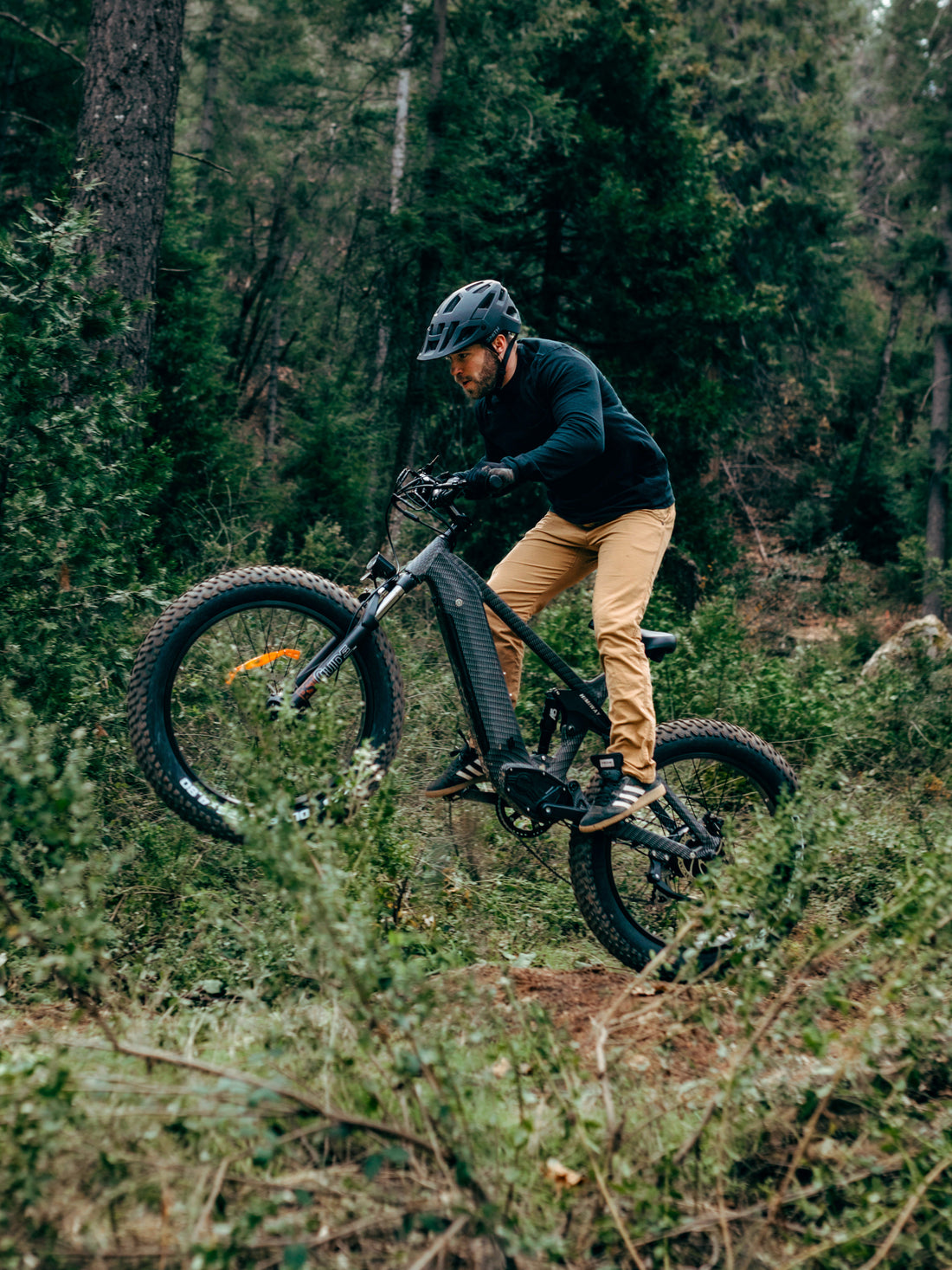

D7 / Full Suspension Electric Hunting Bike High performance all terrain ebike
-
80 Miles
Max Range
-
26x4.5
Super Fat Tire
-
Torque
Sensor
-
Hydraulic
Brakes

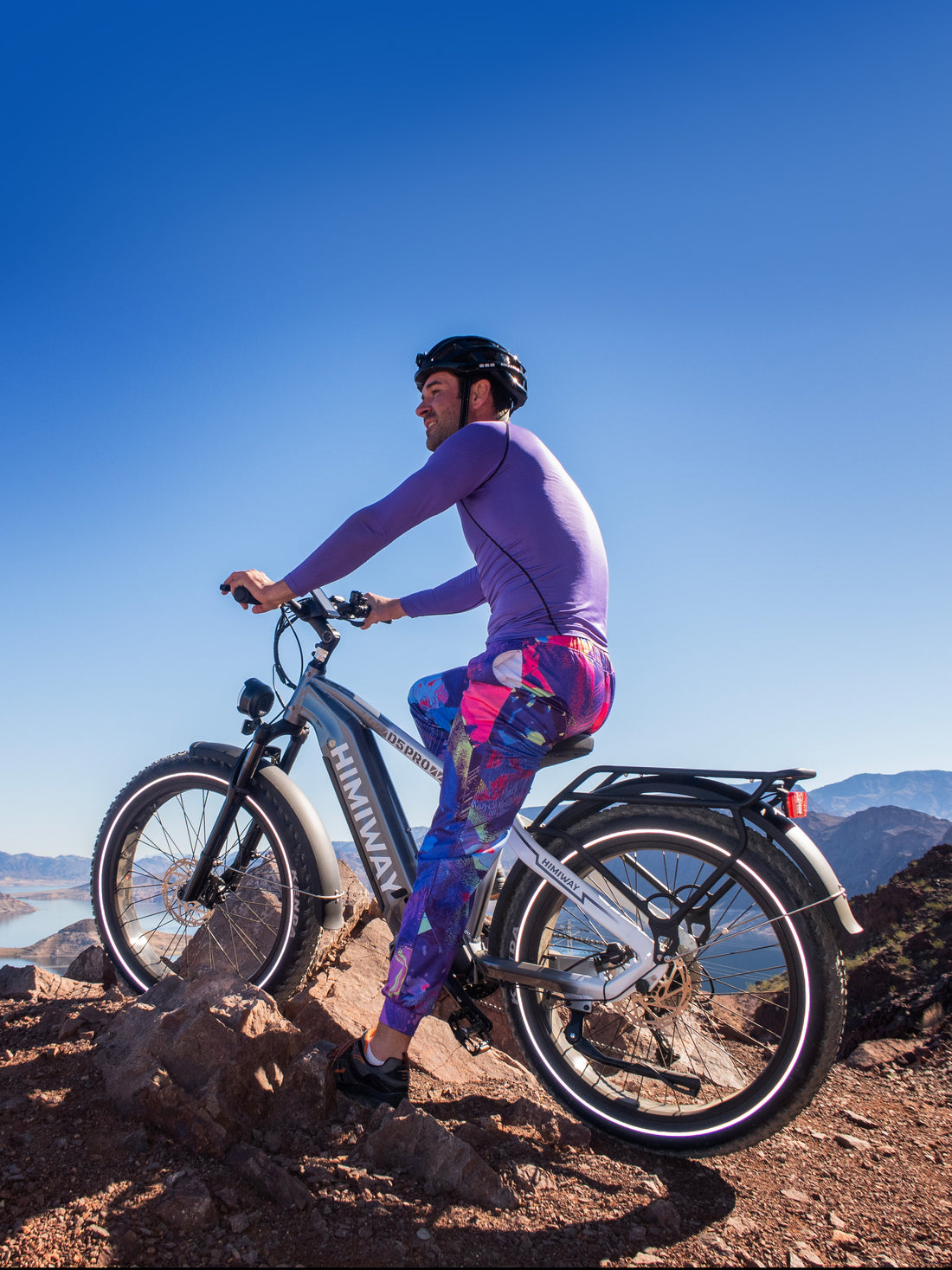

D5 Pro / All-terrain Electric Fat Bike Mid-Drive Power.
-
960 Wh
Samsung/LG Battery
-
80 Miles
Max Range
-
500 W
Mid-Drive Motor
-
20+ Mph
Top Speed


D5 ST(Zebra ST) / All-terrain Electric Fat Bike Great-value all terrain fat tire ebike
-
Torque
Sensor
-
80 Miles
Max Range
-
400 lb.
Max Playload
-
Hydraulic
Brakes


Himiway D7 Pro Mountain eBike Unstoppable mountain performance
-
1000 W
Mid-drive Motor
-
28 Mph
Top Speed
-
960 Wh
Samsung/LG Battery
-
80 Miles
Max Range


Himiway D5 2.0 Camo eBike Blend In, Ride Out: The Top Choice for Hunting
-
Full Suspension
Travel F:100mm R:130mm
-
Torque / Cadence
2 Riding Experiences
-
750W 90Nm
Geared Hub Motor
-
Smart Auto
5 Assist System


Himiway D5 2.0 eBike Endless Comfort: Turning Rough Roads into Silk.
-
Full Suspension
Travel F:100mm R:130mm
-
Torque / Cadence
2 Riding Experiences
-
750W 90Nm
Geared Hub Motor
-
Smart Auto
5 Assist System


Himiway A7 Commuter eBike Full Suspension, Pure Comfort.
-
Full Suspension
Travel F:120mm R:90mm
-
Torque / Cadence
2 Riding Experiences
-
Smart Auto
5 Assist System
-
70 Miles
Per Charge

D5 Pro ST / All-terrain Electric Fat Bike Mid-Drive Power
-
960 Wh
Samsung/LG Battery
-
80 Miles
Max Range
-
500 W
Mid-Drive Motor
-
20+ Mph
Top Speed

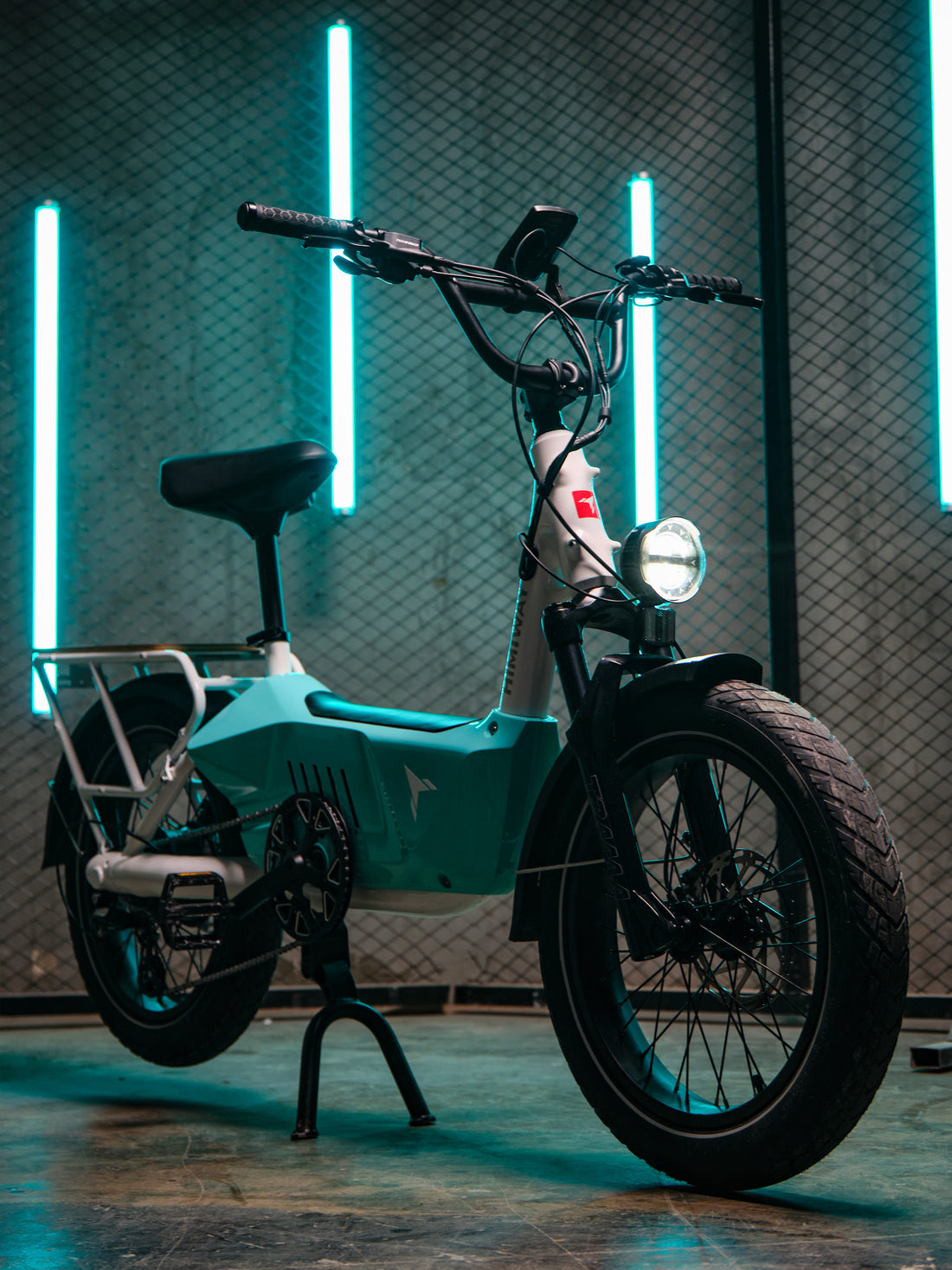

C3 / Cargo Ebike
-
80 Miles
Max Range
-
750W
Motor
-
960 Wh
Samsung/LG Battery
-
7-Speed
Shimano Altus M310


Himiway A7 Pro Commuter eBike Full Suspension, Mid-Drive Power.
-
Full Suspension
Travel F:120mm R:90mm
-
500 W
Mid-Drive Motor
-
Torque
Sensor
-
Hydraulic
Brakes


D5(Zebra) / All-terrain Electric Fat Bike Great value all terrain fat tire ebike
-
Torque
Sensor
-
960 Wh
Samsung/LG Battery
-
80 Miles
Max Range
-
750W
Motor
- Featured
- Most relevant
- Best selling
- Alphabetically, A-Z
- Alphabetically, Z-A
- Price, low to high
- Price, high to low
- Date, old to new
- Date, new to old
Best Class 3 E-Bikes: High-Speed 28 MPH Commuters & All-Terrain Rides
Looking for the best Class 3 e-bike for commuting, outdoor adventures, or everyday transportation? Class 3 electric bikes provide pedal assistance up to 28 mph, helping riders cover longer distances with less effort. Himiway combines powerful motors, large-capacity batteries, full-suspension designs, and fat tires to support different riding needs. Explore the Himiway D5 2.0 20" and compare it with other popular Class 3 e-bikes to find the right balance of speed, comfort, range, and performance.
Quick Comparison: Top Himiway Electric Bikes
Not every electric bike with a powerful motor or high advertised speed qualifies as a Class 3 e-bike. Before choosing a model, consider its actual speed configuration, motor specifications, battery capacity, suspension, and payload.
Here is a comparison of several Himiway models with different riding purposes.
| Model | Best For | Motor & Torque | Battery & Advertised Range | Suspension & Tires | Payload Capacity |
|---|---|---|---|---|---|
| Himiway D5 2.0 20" | Compact Full-Suspension Fat-Tire Riding | 750W hub motor, 90Nm | 720Wh; up to 70 miles PAS | Full suspension; 20" × 4.0" | 440 lbs |
| Himiway A7 Pro | Mid-Drive Commuting | 500W mid-drive, 130Nm | 720Wh; 35–50 miles | Full suspension; 27.5" × 2.4" | 300 lbs |
| Himiway C3 | Cargo and Utility Riding | 750W hub motor | 960Wh; 60–80 miles | Front suspension; 20" × 3.0" | 440 lbs |
| Himiway B3 | Folding and Urban Commuting | 500W hub motor | 720Wh; up to 70 miles | 40mm front suspension; 20" × 2.4" | 300 lbs |
Class 3 compatibility: Himiway currently lists Class 1/2/3 configurations and an adjustable 4–28 mph speed range for the D5 2.0 20". The current published specifications for the A7 Pro, C3, and B3 do not establish a Class 3 configuration. They are included as alternative Himiway options, not as confirmed Class 3 competitors.
Advertised range figures are manufacturer estimates and depend on rider weight, terrain, temperature, speed, and pedal-assist settings.
What Is a Class 3 E-Bike? Speed, Throttle & Regulations
A Class 3 e-bike is an electric bicycle that provides motor assistance while the rider pedals, with assistance stopping when the bicycle reaches 28 mph.
It is designed for riders who want more assisted speed than a traditional Class 1 or Class 2 electric bike.
The three-class framework is used by many U.S. states, although the exact legal requirements and permitted riding locations vary.
Pedal Assist vs. Throttle Limits
Understanding the three e-bike classifications helps you choose a bike that meets your riding needs and local regulations.
| E-Bike Class | Pedal-Assist Speed | Throttle | Main Characteristics |
|---|---|---|---|
| Class 1 | Up to 20 mph | No | Motor assistance only while pedaling |
| Class 2 | Up to 20 mph | Yes | Pedal assistance and throttle operation |
| Class 3 | Up to 28 mph | Not permitted as part of the standard Class 3 definition | Higher-speed pedal assistance |
A Class 3 e-bike is different from a Class 2 model because its motor-assisted speed limit is higher and its standard operating definition requires pedaling.
Some manufacturers offer adjustable Class 1, Class 2, and Class 3 configurations on the same bicycle. In that situation, the throttle and motor-assistance settings must comply with the requirements of the selected class.
For example, the Himiway D5 2.0 20" has a default maximum speed of 20 mph and a manufacturer-listed adjustable range of 4–28 mph. Its product specifications list Class 1/2/3 configurations.
However, selecting a 28 mph setting alone does not automatically make a bike legally Class 3. Check the operating mode, permanent classification label, and local requirements.
For additional information, consult the California Highway Patrol's electric bicycle guidance and the California Attorney General's e-bike safety guidance.
Where Can You Legally Ride a Class 3 E-Bike?
Class 3 e-bikes are commonly used on public roads and designated bicycle facilities, but access to bike paths and recreational trails depends on local regulations.
Before riding, consider these general guidelines:
- Public roads: Class 3 e-bikes can generally be used on roads where bicycles are permitted, subject to applicable traffic rules.
- Bike lanes: Access depends on state and local regulations.
- Multi-use paths: Some jurisdictions restrict Class 3 e-bikes on shared-use paths.
- Mountain bike trails: Access depends on the land manager and trail-specific rules.
- State and national parks: Individual parks may impose additional restrictions.
Helmet requirements and minimum rider ages also vary. For example, California requires Class 3 riders to be at least 16 years old and wear a bicycle helmet.
In many jurisdictions, a compliant e-bike does not require a motorcycle license, registration, or motor vehicle insurance. However, a vehicle that falls outside the applicable e-bike definition may be regulated differently.
Important: The Himiway D5 2.0 20" is listed with a 750W motor. Because state definitions can include motor-output requirements, speed limits, and labeling rules, buyers should verify the bike's specific classification and permitted configuration in their state before riding at Class 3 speeds.
Best Class 3 E-Bike Comparison: Himiway D5 2.0 20" vs. Other Brands
When comparing the best Class 3 e-bikes, it is useful to look beyond maximum speed.
Motor torque, battery capacity, suspension, tire dimensions, braking performance, and payload capacity can significantly influence the riding experience.
The Himiway D5 2.0 20", Velotric Nomad 2X, and Lectric XPeak 2.0 are three fat-tire models worth comparing.
All three manufacturers advertise configurations with pedal-assist speeds up to 28 mph.
Himiway D5 2.0 20" vs. Velotric Nomad 2X vs. Lectric XPeak 2.0
| Feature | Himiway D5 2.0 20" | Velotric Nomad 2X | Lectric XPeak 2.0 |
|---|---|---|---|
| Motor | 750W hub | 750W hub | 750W hub |
| Peak Motor Power | Not specified in the listed standard specification | 1,400W | 1,310W |
| Torque | 90Nm | 105Nm | 85Nm |
| Maximum Assisted Speed | Up to 28 mph | Up to 28 mph | Up to 28 mph |
| Battery | 720Wh | 801.6Wh | 720Wh standard |
| Advertised PAS Range | Up to 70 miles | Up to 75 miles | Up to 60 miles |
| Wheel & Tire Size | 20" × 4.0" | 26" × 4.0" | 26" × 4.0" |
| Suspension | Full suspension; 90mm front / 100mm rear | Full suspension; 120mm front fork / 80mm rear-wheel travel | 80mm front suspension |
| Pedal Sensor | Switchable torque/cadence | Torque/cadence | Torque sensor |
| Brakes | Tektro hydraulic disc | Hydraulic disc | Hydraulic disc |
| Maximum Payload | 440 lbs | 560 lbs | 330 lbs |
| Approximate Weight | 80 lbs | 80 lbs | 64.5 lbs without battery |
| Best For | Compact full-suspension riding | Higher torque and heavy-duty riding | Budget-conscious fat-tire riding |
Specifications are taken from the manufacturers' published product information. Battery range figures are not standardized independent test results. Lectric offers a larger optional battery configuration. Actual configurations, pricing, and availability may change.
1. Himiway D5 2.0 20" vs. Velotric Nomad 2X
The Himiway D5 2.0 20" and Velotric Nomad 2X have several similarities.
Both offer:
- 750W geared hub motors.
- Adjustable pedal assistance up to 28 mph.
- Full-suspension designs.
- 4-inch-wide fat tires.
- Hydraulic disc brakes.
- Torque and cadence sensing options.
However, their wheel sizes and overall riding characteristics are different.
Where the Himiway D5 2.0 20" Stands Out
The D5 2.0 20" uses a compact 20-inch wheel platform with 4-inch-wide tires.
Its key advantages include:
- 90Nm motor torque.
- 720Wh battery capacity.
- Full suspension with 90mm front and 100mm rear travel.
- 440-lb maximum payload capacity.
- Adjustable stem and step-through frame.
- Manufacturer-listed rider-height range of 4'11"–6'3".
Its smaller wheels and lower 16.9-inch standover height make it an interesting choice for riders who prefer a compact frame and convenient mounting position.
Where the Velotric Nomad 2X Stands Out
The Nomad 2X offers higher published motor torque and a larger battery.
Its specifications include:
- 750W motor with 105Nm of torque.
- 1,400W peak motor power.
- 801.6Wh battery.
- Up to 75 miles of advertised pedal-assist range.
- 560-lb maximum payload capacity.
- 120mm front air suspension and 80mm rear-wheel travel.
The larger 26-inch wheels provide a different riding experience from the D5's compact 20-inch platform.
Which One Should You Choose?
Choose the Himiway D5 2.0 20" if you prioritize compact-wheel maneuverability, full-suspension comfort, a lower standover height, and a substantial payload capacity.
The Velotric Nomad 2X may be a better fit if you prioritize higher torque, a larger battery, greater payload capacity, and a larger-wheel design.
Both are worth considering, depending on your preferred frame size and riding conditions.
2. Himiway D5 2.0 20" vs. Lectric XPeak 2.0
The Lectric XPeak 2.0 is another fat-tire electric bike with a manufacturer-advertised top speed of 28 mph.
Both models feature 750W hub motors, 720Wh standard batteries, hydraulic brakes, and wide tires.
However, they take different approaches to comfort and frame design.
Himiway D5 2.0 20" Advantages
- Full front and rear suspension.
- 90Nm motor torque.
- 440-lb maximum payload capacity.
- 20 × 4.0-inch Kenda fat tires.
- Switchable torque and cadence sensing.
- 203mm front and 180mm rear brake rotors.
- Adjustable stem and a low 16.9-inch standover height.
Lectric XPeak 2.0 Advantages
- 26 × 4.0-inch fat tires.
- 1,310W peak motor power.
- 85Nm motor torque.
- Torque-sensing pedal assistance.
- 80mm front suspension fork.
- Approximately 64.5 lbs bike weight without the battery.
- A lower advertised entry price in its listed configurations.
The XPeak 2.0 also offers an optional 960Wh battery configuration, compared with its standard 720Wh battery.
Which One Should You Choose?
The Himiway D5 2.0 20" is a strong option if full-suspension comfort, compact wheels, and higher payload capacity are priorities.
The Lectric XPeak 2.0 is worth considering if you prefer a larger-wheel fat-tire design, front suspension, a lighter frame, and a more budget-oriented purchase.
Which Class 3 Fat-Tire E-Bike Is the Best Fit?
Each model has a different strength.
- Himiway D5 2.0 20": A compelling choice for compact full-suspension riding, versatile comfort, and higher payload capacity.
- Velotric Nomad 2X: An attractive option for riders who prioritize higher torque, a larger battery, and greater load capacity.
- Lectric XPeak 2.0: A practical alternative for riders looking for a lighter, front-suspension fat-tire e-bike.
For riders who want a compact 20-inch electric bike without giving up full suspension or higher-speed pedal assistance, the Himiway D5 2.0 20" deserves serious consideration.
Himiway D5 2.0 20" Class 3 E-Bike Review: Is It Worth Buying?
The Himiway D5 2.0 20" is designed for riders who want a powerful electric bike with a compact wheel platform, full suspension, and fat-tire versatility.
Its combination of a 750W motor, 90Nm of torque, a 720Wh battery, and adjustable pedal assistance makes it an interesting option for commuting and recreational riding.
Unlike many conventional fat-tire electric bikes that use 26-inch wheels, the D5 2.0 20" features a 20-inch design.
But how does it perform in real-world riding? Let's look at its major features and independent test results.
1. Motor Performance: 750W and 90Nm of Torque
The Himiway D5 2.0 20" uses a 48V 750W geared hub motor rated at 90Nm of torque.
This motor is designed to provide responsive assistance during everyday riding, acceleration, and moderate hill climbing.
One particularly useful feature is its switchable torque and cadence sensing system.
Torque Sensor
A torque sensor measures how much force you apply to the pedals and adjusts motor assistance accordingly.
It provides a more proportional riding experience, making it useful for riders who want greater control over acceleration and pedal effort.
Cadence Sensor
A cadence sensor detects pedal rotation and activates motor assistance according to the selected assist level.
It can make riding feel more effortless, especially during relaxed commuting and recreational trips.
The D5 2.0 allows riders to switch between these two assistance experiences, providing flexibility for different riding preferences.
2. Class 3 Speed: Pedal Assistance Up to 28 MPH
The D5 2.0 20" has a manufacturer-listed default maximum speed of 20 mph and an adjustable maximum speed range of 4–28 mph.
Its product specifications list Class 1, Class 2, and Class 3 configurations.
In the appropriate Class 3 configuration, pedal assistance can reach up to 28 mph.
This higher assisted speed can be useful for riders who want to cover more distance during their daily commute.
It is important to distinguish between a bike's advertised maximum speed and its legal operating configuration.
Class 3 generally requires pedal assistance only, with the motor stopping assistance at 28 mph. Throttle operation must follow the applicable local classification requirements.
Always confirm the correct operating mode before riding on public roads.
3. Full Suspension: One of the D5 2.0 20"'s Biggest Strengths
One of the most distinctive features of the D5 2.0 20" is its full-suspension system.
It combines:
- 90mm front hydraulic suspension travel.
- 100mm rear suspension travel.
- A front suspension fork with lockout.
- A rear suspension linkage.
- 20 × 4.0-inch fat tires.
The front fork helps absorb impacts from uneven pavement, gravel, and small obstacles.
The rear suspension improves comfort when riding over rough roads, bumps, and uneven surfaces.
The 4-inch tires provide additional air volume and cushioning, helping the bike maintain traction on suitable loose surfaces.
For commuters who regularly encounter potholes, rough pavement, or uneven roads, this combination can make longer rides more comfortable.
It is also useful for recreational riding on suitable dirt roads and gravel paths.
However, full suspension does not automatically make the D5 a dedicated technical mountain bike. Tire pressure, terrain, rider technique, and trail conditions still matter.
4. Battery and Range: 720Wh for Longer Rides
The D5 2.0 20" comes with a 48V 15Ah battery.
Its nominal energy capacity is:
48V × 15Ah = 720Wh
The battery uses Samsung/LG 21700 cells.
Himiway advertises the following maximum range:
- Up to 70 miles using pedal assistance.
- Up to 40 miles using throttle assistance.
These are manufacturer estimates rather than guaranteed real-world distances.
Actual range depends on several factors:
- Rider and cargo weight.
- Riding speed.
- Pedal-assist level.
- Road gradient.
- Tire pressure.
- Wind conditions.
- Ambient temperature.
- Battery condition.
Riding consistently near 28 mph generally consumes more energy than riding at 15–20 mph because aerodynamic resistance increases substantially with speed.
For longer commutes, consider your round-trip distance and available charging options rather than relying exclusively on the advertised maximum range.
5. Hydraulic Disc Brakes and Safety Features
A fast electric bike needs dependable stopping power.
The Himiway D5 2.0 20" features Tektro hydraulic disc brakes with:
- 203mm front rotor.
- 180mm rear rotor.
- Brake-lever motor cutoff.
Hydraulic disc brakes offer smooth braking modulation and generally require less hand effort than many mechanical disc systems.
Other useful safety and visibility features include:
- 130 Lux / 800-lumen integrated front lighting.
- Integrated rear lighting.
- Rear brake indicators.
- Rear turn signals.
- Reflective tire sidewalls.
These features can improve visibility and make the bike more practical for everyday commuting.
However, no braking system eliminates the need for safe riding practices. Riders should maintain their brake pads, inspect rotors, check tire pressure, and allow sufficient stopping distance.
6. Compact 20-Inch Design and Rider Fit
The D5 2.0 20" is different from conventional full-size fat-tire e-bikes because of its smaller wheels and compact frame design.
Himiway lists a recommended rider-height range of 4'11" to 6'3".
Its adjustable stem can be positioned from 0 to 60 degrees, allowing riders to customize their handlebar position.
The low 16.9-inch standover height makes mounting and dismounting more convenient.
Other useful dimensions and weight specifications include:
- Bike weight: approximately 80 lbs.
- Maximum total payload: 440 lbs.
- Maximum rider weight: 265 lbs.
- Rear rack capacity: 120 lbs.
- Wheel size: 20 × 4.0 inches.
The compact wheels and lower standover height may appeal to riders who prefer a more accessible frame design.
However, the D5 2.0 20" is still a relatively heavy electric bike. If you frequently need to carry a bicycle upstairs or lift it onto a vehicle, consider its 80-lb weight before purchasing.
7. Independent Himiway D5 2.0 20" Review: What Do Real-World Tests Reveal?
Manufacturer specifications explain what a bike is designed to offer, but independent riding tests provide additional insight into its performance.
A hands-on review by The Bike Cave, tested by Ben Labrecque and updated in November 2026, provides useful observations about the D5 2.0 20".
The reviewer evaluated its suspension, motor performance, braking, fit, and adjustable riding settings.
Here are some of the key findings.
Speed and Hill-Climbing Performance
The reviewer reported reaching 28 mph on GPS in the bike's Class 3 configuration.
During a separate hill test on a 15% gradient, the bike reached approximately 15 mph using throttle-only assistance.
These results show that the bike can provide useful power on steep terrain, although actual climbing speed depends on rider weight, battery charge, surface conditions, and pedaling effort.
Suspension and Riding Comfort
The rear suspension linkage was one of the features that received particularly positive feedback.
The reviewer praised its design and described the overall riding experience as very comfortable.
The saddle also received positive comments, while the adjustable stem and cockpit provided flexibility for different rider preferences.
Braking Performance
The reviewer tested the Tektro hydraulic braking system from 28 mph.
In his test, the bike stopped before a 20-foot marker.
This is an individual test observation rather than a certified stopping-distance measurement, but it provides useful practical feedback about the braking system.
Battery Testing
During one test, the reviewer rode approximately 14 miles using a combination of throttle assistance, hills, and higher-speed riding.
The 15Ah battery had approximately 20% charge remaining afterward.
This was not a standardized maximum-range test, so the result should not be directly compared with Himiway's advertised 70-mile pedal-assist range.
It does, however, illustrate how riding style and terrain can affect actual battery consumption.
What the Reviewer Liked
- Comfortable full-suspension design.
- Smooth rear suspension linkage.
- Adjustable riding position.
- 28 mph GPS speed in the tested configuration.
- Hydraulic braking system.
- Switchable torque and cadence sensing.
- Extensive motor-assistance customization.
What Buyers Should Consider
The review also identified several areas worth considering:
- The display could be brighter in direct sunlight.
- The thumb throttle felt abrupt in the rapid-response setting.
- The rear derailleur produced some rattling in the lowest gear during testing.
- The motor was less convincing in loose sand than on firmer terrain.
- The approximately $2,000 purchase price may be relatively high for riders primarily shopping for a conventional 20-inch e-bike.
These observations provide a more balanced picture of the product and help potential buyers understand both its strengths and its limitations.
8. Overall Himiway D5 2.0 20" Review: Pros and Cons
| Advantages | Considerations |
|---|---|
| 750W motor with 90Nm torque | Approximately 80 lbs, relatively heavy |
| Adjustable pedal assistance up to 28 mph | Legal Class 3 configuration depends on local rules |
| 720Wh battery | Actual range decreases at higher speeds |
| Full front and rear suspension | Not designed specifically for demanding technical mountain-bike trails |
| Switchable torque and cadence sensors | Display visibility in direct sunlight could be better |
| 20 × 4.0-inch fat tires | Wide tires may have more rolling resistance on pavement |
| 440-lb maximum payload | Rider weight is limited to 265 lbs |
| Hydraulic disc brakes | Requires regular brake maintenance |
9. Final Verdict: Who Should Buy the Himiway D5 2.0 20"?
The Himiway D5 2.0 20" is a compelling option for riders who want a compact fat-tire electric bike with full suspension, substantial payload capacity, and adjustable high-speed pedal assistance.
Its biggest strengths are not limited to motor power or maximum speed. The combination of a compact 20-inch wheel platform, full suspension, switchable sensors, and a comfortable riding position gives it a distinctive place in the fat-tire e-bike market.
The D5 2.0 20" is particularly suitable for:
- Commuters who want a comfortable electric bike for everyday transportation.
- Riders who prefer a compact 20-inch fat-tire design.
- People who value a lower standover height.
- Riders who frequently encounter uneven roads and gravel.
- People who need substantial total payload capacity.
- Riders who want the flexibility of torque and cadence sensing.
It may be less suitable for riders who prioritize lightweight portability, frequently carry their bikes upstairs, or primarily ride demanding technical trails.
Our Take: If your priorities are comfort, versatility, full suspension, and adjustable pedal assistance up to 28 mph, the Himiway D5 2.0 20" deserves a place on your shortlist.
Explore the Himiway D5 2.0 20" Electric Bike
Class 3 E-Bike Buying Guide: How to Choose the Right Model
Choosing the best Class 3 electric bike involves more than comparing advertised top speeds.
Motor performance, battery capacity, braking systems, suspension, tire dimensions, and frame geometry all influence the riding experience.
Here are the most important factors to consider.
1. Motor Power & Sensor Type: Torque vs. Cadence
Motor performance affects acceleration, climbing ability, and the level of assistance available during everyday riding.
A 750W motor with high torque can provide useful assistance when accelerating or climbing hills. However, motor wattage and torque do not guarantee a particular speed on every road.
When comparing motors, consider the following:
Hub Motors
Hub motors deliver power through the wheel and are common on commuter and fat-tire electric bikes.
The Himiway D5 2.0 20" uses a 750W geared hub motor rated at 90Nm of torque.
This setup is designed to provide responsive assistance for commuting, recreational riding, and moderate hills.
Mid-Drive Motors
Mid-drive motors deliver power through the bicycle's drivetrain.
They work with the selected gear, making them useful for riders who regularly encounter changing gradients or steep climbs.
The Himiway A7 Pro uses a 500W mid-drive motor with 130Nm of torque and a torque sensor.
Although its motor torque is higher than the D5 2.0's published figure, the A7 Pro has a different riding purpose and its current specifications do not establish a Class 3 configuration.
Torque Sensors vs. Cadence Sensors
A torque sensor adjusts motor assistance according to the force applied to the pedals.
A cadence sensor activates assistance based on pedal rotation and the selected assistance level.
Neither system is universally better. A torque sensor offers a more proportional riding experience, while cadence sensing can provide a more relaxed style of assistance.
The D5 2.0's switchable system allows riders to experience both.
2. Battery Capacity & Real-World Range at 28 MPH
Battery capacity is important for commuters and recreational riders who regularly travel longer distances.
Battery energy is measured in watt-hours (Wh).
For example:
48V × 15Ah = 720Wh
A 720Wh battery stores approximately 720 watt-hours of electrical energy.
When comparing Class 3 e-bikes, consider:
- 720Wh: A practical capacity for daily commuting and recreational riding.
- 800Wh: Additional energy capacity for riders who want more range flexibility.
- 960Wh: A larger battery option for longer rides and riders who prioritize additional energy reserves.
The Himiway D5 2.0 20" has a 720Wh battery with up to 70 miles of advertised pedal-assist range.
The Velotric Nomad 2X has an 801.6Wh battery with up to 75 miles of advertised pedal-assist range.
The Lectric XPeak 2.0 offers a standard 720Wh battery with up to 60 miles of advertised range and an optional 960Wh battery configuration.
Remember that advertised maximum range does not represent the distance a bike will necessarily travel at 28 mph.
For longer commutes, consider your typical riding speed, round-trip distance, charging opportunities, and the amount of battery reserve you need.
3. Stopping Power & Frame Stability at High Speeds
Braking performance and handling become increasingly important as riding speeds increase.
A good high-speed e-bike should have a dependable braking system, stable geometry, appropriate tires, and suspension suited to its intended riding environment.
Hydraulic Disc Brakes
Hydraulic disc brakes use fluid pressure to transfer braking force.
They generally offer smooth modulation and require less hand effort than many mechanical disc systems.
The Himiway D5 2.0 20" features Tektro hydraulic disc brakes with 203mm front and 180mm rear rotors.
When evaluating brakes, consider:
- Brake type and rotor dimensions.
- Brake pad condition.
- Consistency of braking performance.
- Maintenance requirements.
- Whether the braking system is suitable for the bike's total weight and intended riding speed.
Front and Full Suspension
Front suspension helps absorb impacts from uneven pavement and light off-road terrain.
Full suspension provides additional comfort through both the front fork and rear shock.
The D5 2.0 20" offers 90mm front and 100mm rear suspension travel.
For urban commuting, front suspension may be sufficient. For riders who frequently encounter rough roads, gravel, and uneven trails, full suspension can provide additional comfort.
Tire Width and Road Conditions
Tire width influences grip, comfort, rolling resistance, and handling.
- 2.4-inch tires are suitable for many urban commuting conditions.
- 3.0-inch tires offer additional tire volume and cushioning.
- 4.0-inch fat tires provide a larger contact area and additional flotation on suitable loose surfaces.
The right tire depends on your riding environment. Wider tires are not automatically faster or more efficient on paved roads.
4. Frame Style & Payload Capacity
Your frame design should match your commuting requirements, storage conditions, and carrying needs.
Step-Through Frames
Step-through frames make mounting and dismounting easier, especially when riders frequently stop in traffic or wear everyday clothing.
The D5 2.0 20" combines a low standover height with an adjustable stem, making it a practical option for riders who prioritize an accessible frame design.
Folding E-Bikes
Folding electric bikes are useful for people with limited storage space or those who need to transport their bicycles in a vehicle.
The Himiway B3 is an example of a folding commuter e-bike. It features a 500W motor, a 720Wh battery, 20 × 2.4-inch tires, and a maximum payload capacity of 300 lbs.
Its published specifications do not establish a 28 mph Class 3 configuration, so consider it a folding commuter alternative rather than a confirmed Class 3 model.
Heavy-Duty Cargo E-Bikes
Cargo e-bikes are designed to carry groceries, equipment, and other everyday loads.
The Himiway C3 is a practical utility-oriented option. It offers a 750W hub motor, a 960Wh battery, hydraulic brakes, and up to 440 lbs of total payload capacity.
Payload capacity includes the rider and cargo, not just additional luggage. Always check the manufacturer's specific rider and rack limits.
Class 3 vs. Class 2 E-Bikes: Which One Should You Buy?
Class 2 and Class 3 electric bikes are both popular choices, but they serve different riding preferences.
| Feature | Class 2 E-Bike | Class 3 E-Bike |
|---|---|---|
| Maximum motor-assisted speed | 20 mph | 28 mph |
| Primary assistance | Pedal assist and throttle | Pedal assist |
| Throttle operation | Permitted within applicable limits | Not part of the standard Class 3 definition |
| Commuting | Suitable for shorter and moderate commutes | Useful for longer commutes and faster travel |
| Battery consumption | Depends on riding speed and assistance | Higher consumption is possible at higher speeds |
| Path access | Depends on local regulations | May face additional path restrictions |
| Helmet and age rules | Vary by jurisdiction | Often subject to additional requirements |
When Should You Choose Class 2?
A Class 2 e-bike may be a better choice if you:
- Prefer throttle assistance.
- Generally ride at moderate speeds.
- Frequently use routes with restrictions on faster e-bikes.
- Have a shorter commute.
- Prefer a more relaxed riding experience.
When Should You Choose Class 3?
A Class 3 e-bike may be a better fit if you:
- Have a longer daily commute.
- Want pedal assistance up to 28 mph where permitted.
- Frequently ride on roads with higher bicycle speed limits.
- Want to reduce travel time on suitable commuting routes.
- Prefer a faster pedal-assisted riding experience.
The best choice ultimately depends on local regulations, riding habits, and comfort level.
Frequently Asked Questions About Class 3 E-Bikes
Q1: Do You Need a License, Registration, or Insurance for a Class 3 E-Bike?
In many states, a compliant Class 3 e-bike is legally treated as a bicycle rather than a motor vehicle.
In those jurisdictions, riders generally do not need a driver's license, vehicle registration, or motor vehicle insurance.
However, state and local laws differ. Some jurisdictions impose additional age requirements, helmet rules, equipment requirements, or restrictions on where Class 3 e-bikes can operate.
A vehicle with a motor rating or speed capability outside the applicable e-bike definition may be classified differently.
Always check your state's current e-bike laws before purchasing or riding.
Q2: Can a Class 2 E-Bike Be Unlocked or Converted to Class 3?
Some electric bikes have manufacturer-supported speed settings that allow different assistance configurations.
For example, the Himiway D5 2.0 20" lists a default maximum speed of 20 mph and an adjustable speed range up to 28 mph.
However, changing the display speed setting does not automatically establish legal Class 3 status.
The bike must meet the applicable requirements for pedal assistance, throttle operation, motor power, equipment, and classification labeling.
Avoid unauthorized modifications that bypass manufacturer speed controls or cause the bicycle to exceed legal limits.
Q3: How Fast Does a 750W Class 3 E-Bike Go on Flat Ground vs. Hills?
A 750W motor does not automatically determine an e-bike's top speed.
For a compliant Class 3 configuration, motor assistance can reach up to 28 mph.
On flat roads, a bike may approach that assisted-speed limit when conditions and configuration permit.
On hills, actual speed can be lower because climbing performance depends on:
- Rider and cargo weight.
- Road gradient.
- Motor torque and efficiency.
- Gear selection.
- Battery charge.
- Wind resistance.
- Pedaling effort.
A 750W motor with high torque can provide useful climbing assistance, but it cannot guarantee a constant 28 mph on steep inclines.
Q4: Are Class 3 E-Bikes Safe for Beginners?
Class 3 e-bikes can be suitable for beginners who understand their capabilities and take time to develop their riding skills.
However, 28 mph is relatively fast for someone who has never ridden an electric bike.
New riders should:
- Start with the lowest pedal-assist setting.
- Practice starting, stopping, and turning in a safe area.
- Learn how the brakes respond before riding in traffic.
- Wear a properly fitted bicycle helmet.
- Check tire pressure, brakes, and lights regularly.
- Increase riding speed gradually as confidence improves.
Choosing a bike with predictable assistance, dependable brakes, and a comfortable riding position can also make the learning process easier.
Q5: Can a Class 3 E-Bike Travel 50–70 Miles on One Charge?
Some manufacturers advertise maximum ranges of 50–70 miles or more for their Class 3-capable electric bikes.
However, maximum advertised range is not the same as range at a continuous 28 mph.
Higher speeds generally increase battery consumption. Rider weight, terrain, wind, temperature, tire pressure, and pedal-assist settings also influence range.
For example, Himiway advertises up to 70 miles of pedal-assist range for the D5 2.0 20".
For realistic trip planning, use a lower range estimate based on your normal riding speed and terrain.
Q6: Is a Fat-Tire Class 3 E-Bike Better for All-Terrain Riding?
Fat tires can provide additional cushioning, traction, and flotation on suitable surfaces such as gravel, sand, and snow.
However, tire width is only one part of all-terrain performance.
Suspension, frame geometry, braking, motor characteristics, tire tread, and total bike weight also matter.
The Himiway D5 2.0 20" combines 4-inch tires with front and rear suspension, making it a versatile option for commuting and recreational riding on suitable terrain.
Find Your Best Class 3 E-Bike with Himiway
The best Class 3 e-bike is one that combines the right assisted speed with dependable braking, practical battery capacity, and a comfortable riding position.
For riders looking for a compact full-suspension fat-tire design, the Himiway D5 2.0 20" offers a 750W geared hub motor, 90Nm of torque, a 720Wh battery, switchable torque/cadence sensing, and 20 × 4.0-inch tires.
Its adjustable riding position, 440-lb maximum payload capacity, and full-suspension design make it worth considering for everyday commuting and recreational adventures.
If you prioritize mid-drive performance, the A7 Pro offers another riding experience. For cargo and utility needs, the C3 provides a larger battery and substantial payload capacity. The B3 is a folding alternative for riders who value compact storage.
Explore Himiway's electric bike collection, compare the specifications, and find the model that best matches your commuting requirements, riding environment, and personal preferences.
Ride Further Together
Himi Riders
Recognition from knights around the world
5-Star Reviews
The knights give an honest opinion
Professional Review
What the professional media really thinks of us

1000+Shop

2-Year Warranty

15-Day Trial

Free Shipping
Find a Local Himiway Shop Near You
Looking for a hands-on experience?
Find a Himiway electric bike shop near you and schedule a test ride today.
Bikes for Every Ride


