



Ebikes with Pedals for Adults


Himiway D5 2.0 20" eBike Easy to Maneuver. Built for Power.
-
Full Suspension
Travel F:90mm R:100mm
-
Torque / Cadence
2 Riding Experiences
-
750W 90Nm
Geared Hub Motor
-
440 lb.
Payload Capacity

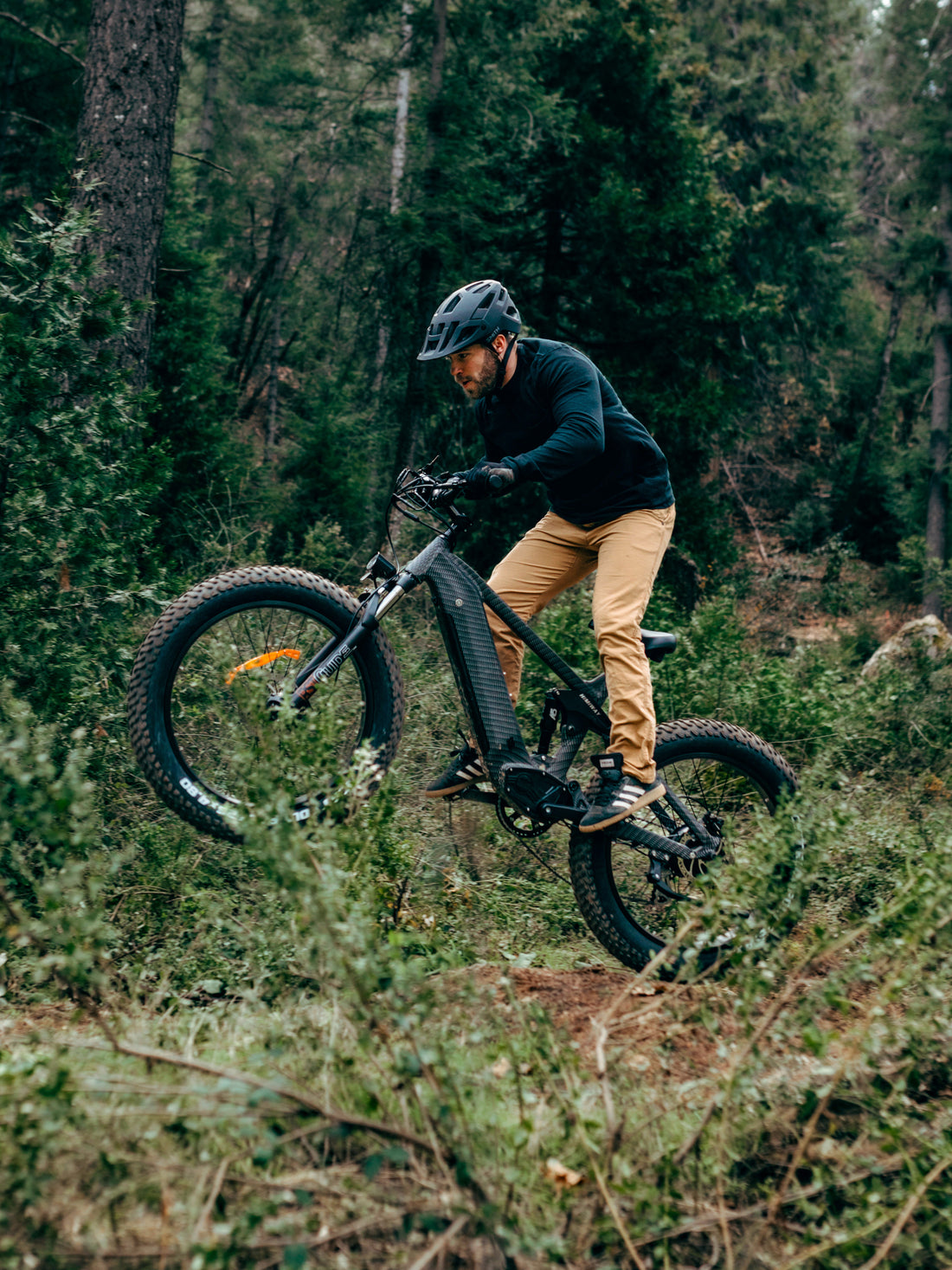
D7 / Full Suspension Electric Hunting Bike
-
80 Miles
Max Range
-
26x4.5
Super Fat Tire
-
Torque
Sensor
-
Hydraulic
Brakes


Himiway D7 Pro Mountain eBike Unstoppable mountain performance
-
1000 W
Mid-drive Motor
-
28 Mph
Top Speed
-
960 Wh
Samsung/LG Battery
-
80 Miles
Max Range


Himiway D5 2.0 ST eBike Endless Comfort: Turning Rough Roads into Silk.
-
Full Suspension
Travel F:100mm R:130mm
-
Torque / Cadence
2 Riding Experiences
-
750W 90Nm
Geared Hub Motor
-
Smart Auto
5 Assist System


Himiway D5 2.0 eBike Endless Comfort: Turning Rough Roads into Silk.
-
Full Suspension
Travel F:100mm R:130mm
-
Torque / Cadence
2 Riding Experiences
-
750W 90Nm
Geared Hub Motor
-
Smart Auto
5 Assist System


Himiway A7 Commuter eBike Full Suspension, Pure Comfort.
-
Full Suspension
Travel F:120mm R:90mm
-
Torque / Cadence
2 Riding Experiences
-
Smart Auto
5 Assist System
-
70 Miles
Per Charge


Himiway A7 Pro Commuter eBike Full Suspension, Mid-Drive Power.
-
Full Suspension
Travel F:120mm R:90mm
-
500 W
Mid-Drive Motor
-
Torque
Sensor
-
Hydraulic
Brakes


Himiway D5 2.0 Camo eBike Blend In, Ride Out: The Top Choice for Hunting
-
Full Suspension
Travel F:100mm R:130mm
-
Torque / Cadence
2 Riding Experiences
-
750W 90Nm
Geared Hub Motor
-
Smart Auto
5 Assist System
- Featured
- Most relevant
- Best selling
- Alphabetically, A-Z
- Alphabetically, Z-A
- Price, low to high
- Price, high to low
- Date, old to new
- Date, new to old
Best Ebike with Pedals and Throttle for Adults: Himiway D5 2.0 20"
When searching for an electric bike with pedals for adults, most buyers want to know: Can I pedal for exercise when I want, but also twist a throttle for effortless cruising when I’m tired?
With an authentic dual-drive system, you never have to compromise. An adult ebike equipped with pedals and a throttle gives you active cycling workout capability, range-extending motor assist, and on-demand throttle acceleration all in one machine.
The Himiway D5 2.0 20" leads the category. Pairing a high-torque 750W 90Nm motor with functional pedals, switchable Torque/Cadence dual sensors, and an ergonomic thumb throttle, it delivers the ultimate high-performance ride for adult commuters, outdoor adventurers, and everyday cruisers.
Do Adult Electric Bikes Come with Functional Pedals?
Yes. Street-legal electric bicycles in the United States feature fully functional pedals. However, the way electric power is transferred to your pedals separates different classes of ebikes:
- Pedal-Assist Only (Class 1): The motor delivers assistance exclusively while you are pedaling. Once you stop pedaling or reach 20 MPH, the motor cuts out. This mode feels closest to a traditional bike.
- Throttle-Driven (Class 2): Operates via a thumb throttle or twist grip, pushing the bike forward without any pedaling up to 20 MPH.
- Pedal Assist + Throttle (Hybrid Class 2 / Class 3): The gold standard for adult riders. You can pedal with smart assistance (reaching speeds up to 28 MPH) or toggle the thumb throttle for pedal-free cruising. The Himiway D5 2.0 20" provides this complete setup straight from the factory.
Why Pedals Matter on an Adult Electric Bike
On an adult ebike, pedals are far more than a legal compliance feature—they are the key to maximizing distance and physical health:
- Doubles Your Real-World Range: Combining human pedaling power with motor assist drastically reduces battery draw. Pedaling on PAS 2 can extend your trip by 40% to 60% compared to pure throttle riding.
- Tailored Cardiovascular Fitness: Dial down the pedal assist to break a sweat, or ramp up assistance when climbing hills. You control the exact exertion level of your ride.
- Natural Riding Feedback: While pure throttle scooters feel detached, pedaling an ebike engages your core, legs, and balance, delivering an authentic bicycle experience with superhero legs.
- Broadest Legal Street Access: Bikes with operating pedals retain standard bicycle rights across greenways, paved lanes, and neighborhood roads in all 50 states.
Why the Himiway D5 2.0 20" Is the Top Ebike with Pedals for Adults
750W 90Nm Motor — Effortless Hill Climbing
Equipped with a continuous 750W geared hub motor kicking out 90Nm of peak torque, the D5 2.0 20" easily climbs steep grades and cuts through heavy headwinds without sluggish pedal drag. It provides reliable acceleration for adult riders up to a 440 lb payload capacity.
Switchable Torque & Cadence Dual Sensors
Most ebikes lock you into one sensor. The D5 2.0 20" lets you switch between two distinct riding experiences:
- Torque Sensor Mode: Measures your exact pedaling pressure to instantly feed proportional motor power. The harder you pedal, the more boost you get—perfect for fitness and precise handling.
- Cadence Sensor Mode: Delivers steady, consistent motor output as long as the pedals rotate, functioning like an effortless cruise control.
True Full Suspension (F:90mm / R:100mm)
Unlike rigid hardtail ebikes that transfer road shocks directly into your spine and knees, the D5 2.0 20" features a hydraulic front lockout fork with 90mm travel combined with a 100mm rear suspension shock. Paired with wide 20×4.0" Kenda fat tires, it glides across bumpy asphalt, gravel roads, and winter slush effortlessly.
Tektro Hydraulic Disc Brakes (203mm / 180mm Rotors)
Safety is non-negotiable at Class 3 speeds. The D5 2.0 20" features Tektro hydraulic disc brakes paired with oversized 203mm front and 180mm rear rotors with integrated motor cutoff switches, providing instantaneous, low-fatigue stopping in wet or dry conditions.
Thumb Throttle + 5 PAS Levels
Enjoy absolute versatility. Use the 5-level pedal assist system for daily fitness, or push the ergonomic thumb throttle to take off smoothly from stoplights or rest your legs after a long day.
Himiway D5 2.0 20" Technical Specifications
| Feature | Official Specification |
|---|---|
| Motor Power | 48V 750W Geared Hub Motor (90Nm Torque) |
| Top Speed | 20 MPH (Default Class 2), Adjustable up to 28 MPH (Class 3) |
| Pedal Assist / Throttle | Auto Assist + 5 PAS Levels & Ergonomic Thumb Throttle |
| Sensor System | Torque & Cadence Switchable Dual Sensor |
| Suspension | Full Suspension (Hydraulic Fork 90mm / Rear Shock 100mm) |
| Battery & Cells | 48V 15Ah (720Wh) Samsung/LG 21700 Cells (IPX6 Rating) |
| Max Range | Up to 40 Miles (Throttle) / Up to 70 Miles (Pedal Assist) |
| Braking System | Tektro Hydraulic Disc Brakes (203mm Front / 180mm Rear) |
| Tire Dimensions | 20×4.0" Kenda K-Shield Puncture-Resistant Fat Tires |
| Total Payload Limit | 440 lbs Total Capacity (Rear Rack Rated for 120 lbs) |
| Rider Height Range | Fits Adults 4'11" – 6'3" (Step-Through Accessibility) |
Buyer’s Guide: What to Look for in an Adult Ebike with Pedals
- Motor Torque over Peak Watts: Look for at least 80–90Nm of torque to ensure the pedals don't feel bogged down on steep inclines.
- Certified Battery Safety: Ensure your battery uses name-brand cells like Samsung or LG with independent UL certifications (UL 2849 / UL 2271) and IPX6 water resistance.
- Comfort & Standover Geometry: Low-step or step-through frames allow riders of all ages and flexibility levels to mount safely without straining knees or hips.
- Hydraulic vs Mechanical Brakes: For heavier adult riders and high-speed ebikes, hydraulic disc brakes are essential for smooth modulation and stopping power.
Frequently Asked Questions
Do I have to pedal an ebike with pedals? ▶
No. On models equipped with both pedals and a throttle like the Himiway D5 2.0 20", you can use the thumb throttle to cruise entirely on electric power without moving your legs. However, pedaling actively increases battery efficiency and delivers up to 70 miles of range.
Is 750W enough power for heavier adult riders? ▶
Yes. A 750W geared hub motor with 90Nm of torque delivers robust acceleration for adult riders up to the bike’s 440 lb payload rating. It provides smooth hill-climbing power on steep grades without overheating.
What is the difference between a torque sensor and cadence sensor pedal assist? ▶
A torque sensor measures how hard you press on the pedals and provides smooth, proportional power that mirrors natural cycling. A cadence sensor only detects if the pedals are turning and delivers a fixed level of assist. The Himiway D5 2.0 20" allows you to toggle between both modes depending on your preference.
Can I ride an ebike with pedals if the battery runs out? ▶
Yes. If the battery runs out of charge, the bike operates like a traditional bicycle. The Shimano 8-speed drivetrain allows you to downshift into an easy gear to keep pedaling home safely.
Ride Further Together
Himi Riders
Recognition from knights around the world
5-Star Reviews
The knights give an honest opinion
Professional Review
What the professional media really thinks of us

1000+Shop

2-Year Warranty

15-Day Trial

Free Shipping
Find a Local Himiway Shop Near You
Looking for a hands-on experience?
Find a Himiway electric bike shop near you and schedule a test ride today.
Bikes for Every Ride


