




Adults Electric Bikes

1000+Shop

2-Year Warranty

15-Day Trial

Free Shipping


Himiway D5 2.0 20" eBike
-
Full Suspension
Travel F:90mm R:100mm
-
Torque / Cadence
2 Riding Experiences
-
750W 90Nm
Geared Hub Motor
-
440 lb.
Payload Capacity


Himiway D5 2.0 Camo eBike
-
Full Suspension
Travel F:100mm R:130mm
-
Torque / Cadence
2 Riding Experiences
-
750W 90Nm
Geared Hub Motor
-
Smart Auto
5 Assist System


Himiway D5 2.0 eBike
-
Full Suspension
Travel F:100mm R:130mm
-
Torque / Cadence
2 Riding Experiences
-
750W 90Nm
Geared Hub Motor
-
Smart Auto
5 Assist System


Himiway D5 2.0 ST eBike
-
Full Suspension
Travel F:100mm R:130mm
-
Torque / Cadence
2 Riding Experiences
-
750W 90Nm
Geared Hub Motor
-
Smart Auto
5 Assist System

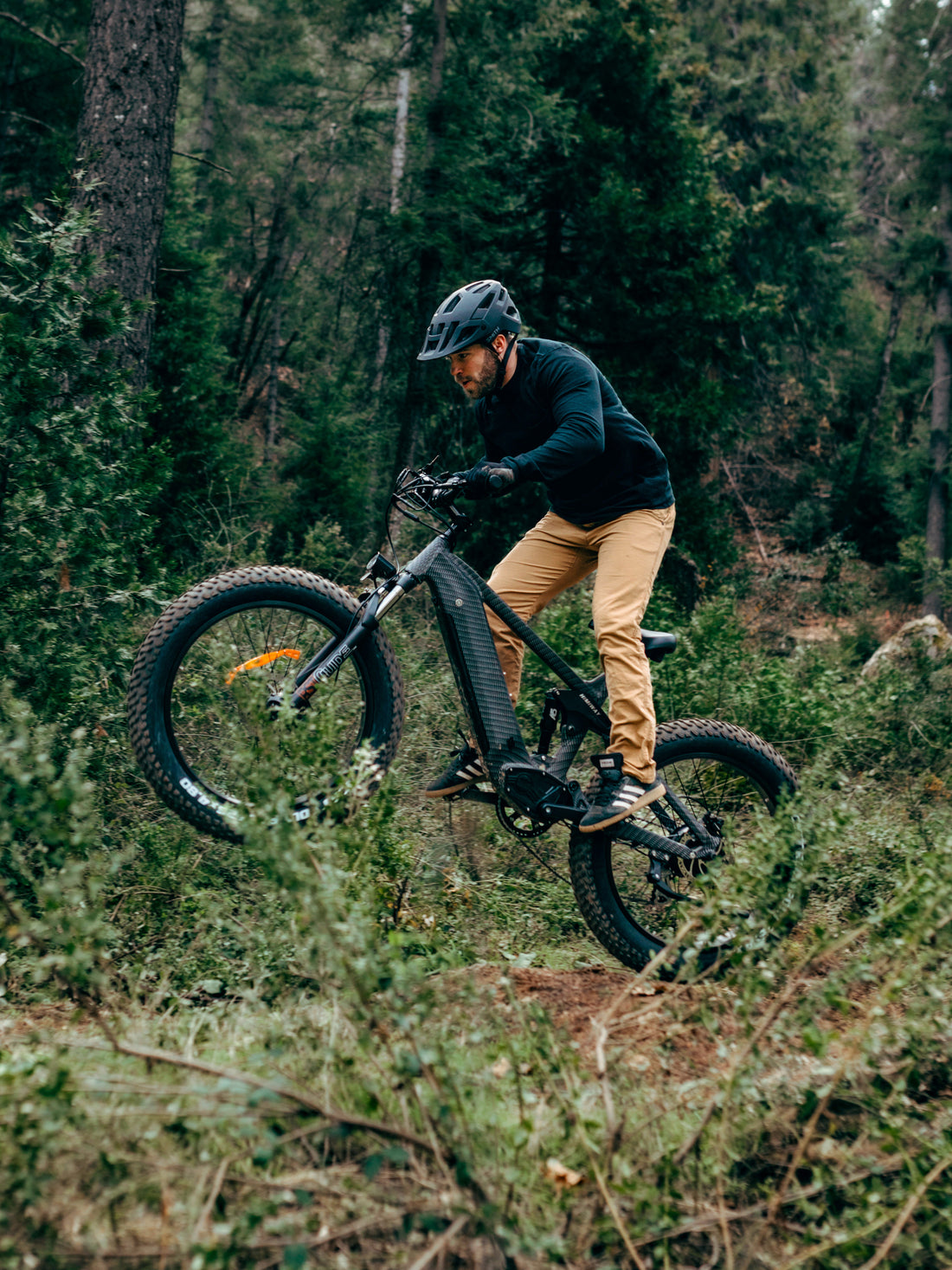
D7 / Full Suspension Electric Hunting Bike
-
80 Miles
Max Range
-
26x4.5
Super Fat Tire
-
Torque
Sensor
-
Hydraulic
Brakes


D5 ST(Zebra ST) / All-terrain Electric Fat Bike
-
Torque
Sensor
-
80 Miles
Max Range
-
400 lb.
Max Playload
-
Hydraulic
Brakes

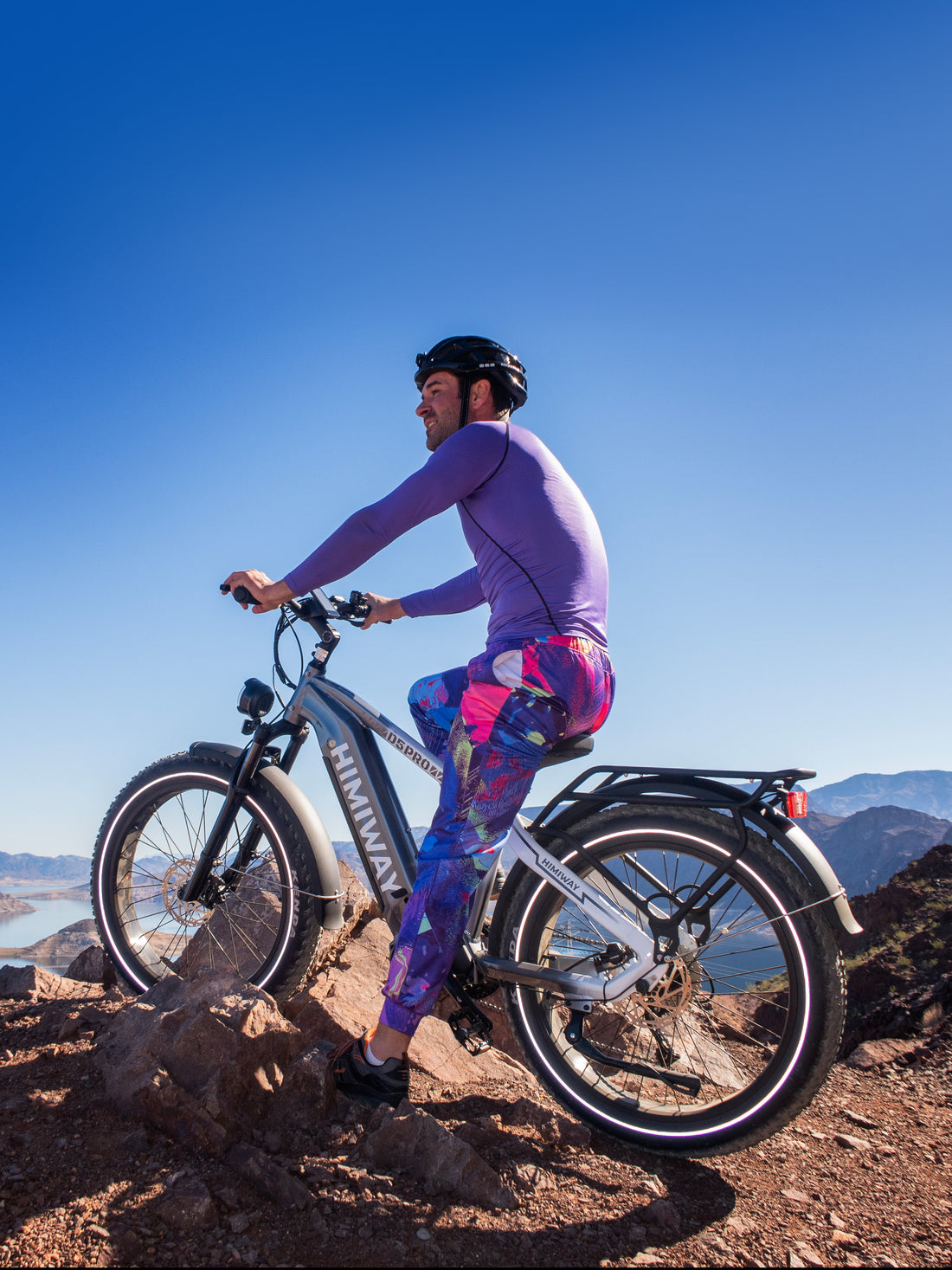
D5 Pro ST / All-terrain Electric Fat Bike
-
960 Wh
Samsung/LG Battery
-
80 Miles
Max Range
-
500 W
Mid-Drive Motor
-
20+ Mph
Top Speed


D3(Cruiser) / Long Range Fat Tire Electric Bike
-
720 Wh
Samsung/LG Battery
-
50 Miles
Per Charge
-
750W
Motor
-
20+ Mph
Top Speed


Escape Pro / Long Range Moped-Style E-Bike ST
-
840 Wh
Samsung/LG Battery
-
50 Miles
Per Charge
- Full Suspension
-
750W
Motor


D3 ST(Cruiser ST) / All Terrain Electric Bike
-
50 Miles
Per Charge
-
750W
Motor
-
720 Wh
Samsung/LG Battery
-
350 lbs
Payload Capacity


D5(Zebra) / All-terrain Electric Fat Bike
-
Torque
Sensor
-
960 Wh
Samsung/LG Battery
-
80 Miles
Max Range
-
750W
Motor


Himiway D7 Pro Mountain eBike
-
1000 W
Mid-drive Motor
-
28 Mph
Top Speed
-
960 Wh
Samsung/LG Battery
-
80 Miles
Max Range


Himiway C5 Electric Motorbike
-
20 Mph
Top Speed
-
80 Miles
Max Range
-
750W
Motor
-
Hydraulic
Brakes


Himiway A7 Commuter eBike
-
Full Suspension
Travel F:120mm R:90mm
-
Torque / Cadence
2 Riding Experiences
-
Smart Auto
5 Assist System
-
70 Miles
Per Charge
The best electric bikes for adults balance your priorities—whether that's budget-friendly entry, daily commuting reliability, all-terrain capability, or maximum range. For first-time buyers, the D3 Cruiser offers proven reliability at an accessible price. For serious commuters, the A7 provides full suspension comfort. For maximum versatility, the D5 2.0 handles everything from city streets to rough trails.
Electric Bikes for Adults: Complete Buying Guide
Based on feedback from thousands of riders, we've identified what matters most for adult e-bike buyers. This guide addresses the real questions—from budget concerns to finding the right fit.
Whether you're a first-time buyer testing the waters, a daily commuter replacing car trips, or an adventure seeker looking for all-terrain capability—this guide helps you make a confident decision.
What to Look for in an Electric Bike for Adults
⚡ Power & Performance
- 750W hub motors handle most terrain and hills
- Mid-drive motors (500W-1000W) excel on steep climbs
- Torque ratings matter: 70Nm-160Nm range
- Class 2 (20 mph) or Class 3 (28 mph) top speed
- Battery capacity: 720Wh-960Wh for 35-80 mile range
🛡️ Build Quality & Reliability
- UL-certified batteries eliminate fire risks
- Hydraulic disc brakes for consistent stopping power
- 6061 aluminum frames balance weight and durability
- Quality tires: Maxxis, Kenda, or Schwalbe brands
- Weight capacity from 300-440 lbs depending on model
🚴 Comfort & Fit
- Height range typically 5'1" to 6'5" with adjustability
- Step-through frames for easy mounting/dismounting
- Full suspension absorbs road imperfections
- Memory foam saddles reduce pressure points
- Adjustable stems (0-60°) customize your riding position
Top Electric Bikes for Adults by Use Case
🏆 Best Value Entry Point
Himiway D3 Cruiser
Himiway's most popular entry-level model with proven reliability at an accessible price point. Fat tires provide stability and comfort for casual riders testing the e-bike lifestyle.
750W Motor | 720Wh Battery | 35-50 mi Range | 350 lb Capacity
🚴 Best for Daily Commuting
Himiway A7 Urban Commuter
Highly rated by commuters who value comfort. Full suspension smooths out potholed city streets. MIK rack system carries your work gear. Shimano hydraulic brakes handle stop-and-go traffic.
750W Motor | 720Wh Battery | 65 mi Range | 400 lb Capacity
⛰️ Best All-Terrain Versatility
Himiway D5 2.0 eBike
Handles everything from smooth pavement to rough trails and poor road conditions. Full suspension with switchable torque/cadence sensors adapts to different riding styles. Premium Maxxis tires with puncture protection.
750W Motor | 720Wh Battery | 65 mi Range | 400 lb Capacity
Electric Bikes for Adults: Common Questions
Getting Started
What is a good electric bike for adults just starting out?
For first-time adult buyers, look for these beginner-friendly features:
-
Proven reliability: Choose models with established track records—you want a bike that's been tested in the real world, not just on paper
- The D3 Cruiser is Himiway's best-selling entry-level model
- Look for 4.5+ star ratings across multiple review sources
-
Intuitive controls:
- Simple 5-level pedal assist (start on level 1-2, increase as needed)
- Optional throttle for when you need a break from pedaling
- Clear LCD display showing speed, battery, and assist level
- Comfortable geometry: Upright riding positions are easier for those returning to cycling—less stress on back and wrists
- Fat tires: 4.0" tires provide stability and forgiveness for wobbly starts—you'll feel more confident immediately
- Reasonable weight capacity: 350+ lbs gives you room for groceries, backpacks, and gear
Many first-time buyers worry about needing cycling experience. You don't. If you learned to ride as a kid, the skill comes back within minutes—the motor just makes it easier.
What is the best electric bike for adults?
"Best" depends entirely on HOW you'll use it. Here's how to match the bike to your needs:
-
Best for budget entry: D3 Cruiser
- Proven reliability at accessible price
- Fat tires for stability
- 35-50 mile range covers most daily needs
-
Best for commuting: A7
- Full suspension smooths potholed streets
- MIK rack for panniers and cargo
- Excellent comfort for daily riders
- Best for mixed terrain: D5 2.0—handles pavement and trails equally well with switchable torque/cadence sensors
- Best for hills: A7 Pro—mid-drive motor with 130Nm torque climbs grades that would stall hub motors
- Best for maximum range: D5 Zebra—960Wh battery delivers 60-80 miles per charge
- Best for extreme off-road: D7 Pro—1000W mid-drive, 160Nm torque, four-bar linkage suspension
How do I choose the right electric bike for my needs?
Follow this decision framework used by experienced riders:
-
Step 1: Define your primary use
- Daily commuting → prioritize range (1.5-2x your round-trip), comfort, and cargo capacity
- Weekend adventures → prioritize suspension and tire width
- Mixed use → prioritize versatility and all-terrain capability
- Fitness → prioritize adjustable assist levels and comfortable geometry
-
Step 2: Assess your terrain
- Flat city streets → hub motor is sufficient (simpler, quieter)
- Hilly areas → mid-drive motor provides better torque for climbs
- Rough roads/trails → full suspension and fat tires absorb impacts
-
Step 3: Verify the fit
- Check height range fits your height (most: 5'1"-6'5")
- Check weight capacity exceeds your weight by 50+ lbs for cargo margin
- Consider step-through if flexibility is limited or you'll stop frequently
- Step 4: Pick two of three—Speed, Range, or Comfort. This helps prioritize when comparing similar models.
Pro tip from riders: If you're unsure, an all-terrain fat tire bike like the D5 Zebra covers the widest range of scenarios without overcommitting to one use case.
I'm an adult beginner with no bike—what should I know?
Starting from zero is more common than you'd think. Here's what beginners wish they knew earlier:
-
The learning curve is short:
- If you rode as a kid, muscle memory returns in minutes
- The motor makes balancing easier—more momentum, less wobble
- Start on assist level 1-2 until you're comfortable
-
E-bikes weigh 60-90 lbs:
- Plan for storage—can you lift it into a car or up stairs?
- Consider where you'll keep it overnight
- Foldable options like the B3 exist if space is tight
-
Budget reality check:
- Quality batteries alone cost $300+, motors $100+
- Sub-$600 bikes make significant compromises on safety and longevity
- For daily reliability, budget $1,000-$1,500 minimum
- Helmet is non-negotiable: E-bikes reach 20-28 mph. A $50-100 helmet is the best investment you'll make.
Budget & Value
How much are electric bikes for adults?
Quality electric bikes for adults typically range from $1,000 to $3,500. Here's what each price tier delivers:
-
Under $600 (Risky):
- Reality check: batteries cost $300+, motors $100+, leaving under $200 for the frame
- Often sold on Amazon/Walmart with limited support
- May work for occasional light use, but expect shorter lifespan
- Uncertified batteries carry fire risk—a real concern
-
$1,000-$1,500 (Value Tier):
- UL-certified batteries, hydraulic brakes, quality frames
- Suitable for daily commuting and regular use
- Examples: D3 Cruiser, A3, D5 Zebra
-
$1,500-$2,500 (Premium Features):
- Full suspension, larger batteries, mid-drive motors
- Name-brand components (Shimano, Maxxis, RockShox)
- Examples: D5 2.0, A7, A7 Pro
-
$2,500+ (Performance):
- Professional-grade suspension, maximum torque
- Extreme terrain capability
- Examples: D7 Pro, Cobra Pro
A rider's perspective: "Entry-level with cheaper components will show their limitations quickly if you plan on daily use. Sometimes it's worth saving another $200-400 for something that won't break down after a few months of real use."
What is the cheapest electric dirt bike for adults?
If you're looking for off-road capability at a lower price point:
-
D5 Zebra — Best budget all-terrain:
- 960Wh battery—largest in this price range
- 26x4.0" fat tires handle gravel, dirt, sand
- Front suspension with lockout
- 400 lb weight capacity
-
D3 Cruiser — Entry-level off-road:
- Fat tires for light trail use
- Front suspension for basic absorption
- Best for casual dirt paths, not technical trails
For serious off-road performance (steep hills, rocky terrain, technical trails), the D7 Pro with 1000W mid-drive and 160Nm torque is the capable choice—though at a higher investment.
Is it worth spending more on an electric bike?
Depends on how you'll use it and for how long:
-
Spend less if:
- You're testing interest before committing
- Usage will be occasional (few times a month)
- You're comfortable with the idea of upgrading later
-
Spend more if:
- You plan to ride daily or commute
- You live in a hilly area (mid-drive motors matter)
- You're replacing car trips and need reliability
- Comfort matters—full suspension reduces fatigue over miles
-
What more money actually buys:
- Better battery cells (longer lifespan, consistent performance)
- Hydraulic vs mechanical brakes (safety in wet conditions)
- Torque sensors vs cadence (smoother, more natural feel)
- Name-brand components (easier to find replacement parts)
Long-term math: If replacing car trips, an e-bike that costs $2,000 but saves $300/month in gas, parking, and car maintenance pays for itself in 7 months.
Commuting & Daily Use
Can I use an electric bike as my primary transportation?
Yes—many adults use e-bikes as their primary or secondary vehicle. Key planning factors:
-
Range planning:
- Choose a battery with 1.5-2x your daily round-trip distance
- 720Wh typically delivers 40-65 miles pedal assist
- 960Wh extends to 60-80 miles
- Factor in hills, wind, and winter (all reduce range)
-
Weather capability:
- Fat tires handle rain, wet leaves, and light snow
- Fenders keep road spray off your clothes
- Integrated lights are essential for year-round commuting
-
Cargo needs:
- MIK-compatible racks offer 1,000+ accessory options
- Panniers carry laptops, groceries, work gear
- Rear rack capacity: typically 60-120 lbs
-
Time comparison:
- For trips under 5 miles, e-bikes often match or beat car travel time
- No parking search, no traffic jams
- 14-mile round-trip commutes are common for daily e-bike riders
Cost savings reality: Riders replacing car trips report saving $30,000+ over 5 years in gas, parking, insurance, and maintenance. One rider calculated fuel savings alone at about $18.75/month—paying off internet bills just from not driving.
How far can I ride on a single charge?
Real-world range depends on several factors—manufacturer quotes assume ideal conditions:
-
Battery size impact:
- 720Wh = 35-65 miles typical
- 960Wh = 60-80 miles typical
- Throttle-only cuts range roughly in half vs pedal assist
-
Assist level:
- Level 1-2: extends range significantly
- Level 4-5: reduces range 30-40%
- Most commuters use level 2-3 for balance
- Rider weight: Heavier riders use more power—plan for lower end of quoted range
- Terrain: Continuous hills consume 20-40% more battery than flat ground
-
Temperature:
- Below 40°F—capacity drops 10-20%
- Store battery indoors in winter to maintain range
- Your pedaling: The more you contribute, the further you go
For maximum range, consider long-range electric bikes with 960Wh batteries.
Can I ride in the Florida heat (or extreme temperatures)?
Yes, with some adjustments. Florida riders and hot-climate cyclists have figured out what works:
-
Heat advantages of e-bikes:
- Wind from riding at 20 mph counters the heat
- Motor assistance means less sweating from exertion
- You arrive at destinations less drenched than on a regular bike
-
Battery care in heat:
- Don't leave the bike in direct sun for extended periods
- Store in shade or bring battery indoors when parking for hours
- Extreme heat (100°F+) can affect battery performance temporarily
-
Florida-specific tips:
- Fat tires handle sandy shoulders and wet roads better
- Most Florida terrain is flat—hub motors work great
- Afternoon thunderstorms are predictable—plan rides accordingly
From a Florida e-bike commuter: "The heat is manageable when you're moving. I barely sweat on my commute now compared to a regular bike."
Performance & Terrain
What is the best off-road electric bike for adults?
Off-road capability scales with trail difficulty:
-
Light trails and gravel paths:
- D5 2.0—full suspension, 4.0" Maxxis tires
- Handles fire roads, packed dirt, gentle slopes
- 400 lb capacity for hauling gear
-
Steep hills and rough terrain:
- Mid-drive motors provide superior climbing torque
- A7 Pro delivers 130Nm—handles 20%+ grades
- Better weight distribution for technical sections
-
Technical trails and extreme terrain:
- D7 Pro—1000W Bafang motor, 160Nm torque
- Four-bar linkage suspension with RockShox rear shock
- 4.8" tires—largest in the US e-bike market
- 4-piston hydraulic brakes for aggressive descents
See all options in our off-road electric bikes collection.
What's the difference between hub motors and mid-drive motors?
Motor type affects how your bike rides and what terrain it handles:
-
Hub motors (in rear wheel):
- Simpler design with fewer parts to maintain
- Quieter operation—good for neighborhoods
- Direct power feels immediate on throttle
- Best for: flat to moderate terrain, city commuting
- Limitation: can strain on long, steep climbs
-
Mid-drive motors (at pedals):
- Uses your bike's gears for better hill efficiency
- Better weight distribution (center instead of rear)
- More natural pedaling feel with torque sensors
- Best for: hilly areas, off-road, serious climbing
- Trade-off: more drivetrain wear, higher cost
Practical guidance: If you live somewhere flat (Florida, most of Texas), hub motors work great. If you're in the hills (San Francisco, Colorado mountains), mid-drive is worth the extra investment.
Fit & Physical Considerations
I'm 6'1" (or taller)—what electric bike fits me?
Taller riders have specific fit requirements—here's what works:
-
Height range verification:
- Most Himiway models fit riders 5'1"-6'5"
- At 6'1"+, you're in the upper range—adjustability matters more
- Look for 9"+ seat post adjustment for proper leg extension
- Frame recommendations for 6'+:
-
Adjustability features to look for:
- 0-60° adjustable stem—customizes reach and handlebar height
- Long seat post with sufficient extension
- Handlebar width appropriate for broader shoulders
Watch out for: Moped-style and some compact e-bikes may feel cramped for taller riders even if technically within height range. Test sitting position if possible.
Are there electric bikes for larger or heavier adults?
Yes—quality e-bikes are designed for real adult bodies:
- Weight capacity tiers:
-
What heavier riders should prioritize:
- Hydraulic brakes—mechanical brakes fade under load
- Higher torque motors (90Nm+) for acceleration and hills
- 36-spoke wheels—prevents flex and spoke breakage
- Reinforced frames (6061 aluminum, double-walled tubes)
-
Real-world validation:
- Riders at 6'2" and 340 lbs report excellent performance on the D7 Pro
- Riders at 6'4" and 310 lbs use D5 series on mountain terrain successfully
- The 400 lb capacity includes rider + cargo—factor in what you'll carry
What size electric bike do I need?
E-bike sizing centers on height range and standover clearance:
-
Height range check:
- Most Himiway models: 5'1" to 6'5"
- If you're at the extreme ends, check specific model specs
- Adjustable components extend the effective range
-
Standover height:
- You need 1-2" clearance when straddling the bike flat-footed
- High-step frames: typically 27-31" standover
- Step-through frames: typically 17-20" standover—works for any height
-
Key adjustments:
- Seat height: 9"+ adjustment range for proper leg extension
- Stem angle: 0-60° adjustable for handlebar reach/height
- Saddle position: fore/aft adjustment for knee alignment
Quick recommendations:
- Taller riders (6'+): High-step frames provide better geometry
- Shorter riders or flexibility concerns: Step-through frames eliminate mounting struggles
- Unsure: Step-through works for everyone
Practical Considerations
Are electric bikes safe?
Yes, when you choose quality components and ride responsibly:
-
Battery safety:
- UL-certified batteries (UL2271) are tested for fire and electrical safety
- Cheap/uncertified batteries on sub-$600 bikes are a real fire risk
- All Himiway batteries are UL2271 certified with Samsung/LG cells
-
Braking:
- Hydraulic disc brakes provide consistent stopping in all conditions
- Essential for 60+ lb bikes at 20+ mph
- Mechanical brakes fade when wet or under heavy load
-
Visibility:
- Integrated lights (front headlight + brake-activated taillight)
- Reflective tire sidewalls help at night
- Consider additional lights and reflective gear for road riding
-
Speed control:
- Pedal assist is gradual, not sudden—you control power delivery
- Throttle is optional and can be ignored if preferred
- Most riders feel more in control than on regular bikes due to momentum stability
Non-negotiable: Always wear a helmet. E-bikes reach 20-28 mph—a $50-100 helmet is cheap insurance.
Can I ride an electric bike in rain or winter?
Quality e-bikes handle weather with proper care:
-
Rain riding:
- IP-rated electrical systems handle wet conditions
- Hydraulic brakes maintain stopping power when wet (mechanical brakes don't)
- Fenders keep road spray off your clothes and drivetrain
- Fat tires (4.0"+) shed water and grip in wet conditions
-
Winter riding:
- Riders in Maine and Minnesota use fat tire e-bikes through 5+ months of winter
- Fat tires provide traction in snow and slush
- Cold reduces battery range 10-20%—store battery indoors between rides
- Bring battery inside if temps drop below freezing overnight
-
Poor road conditions:
- In Michigan and states with notoriously poor road maintenance, fat tires absorb potholes and pavement breaks
- Full suspension adds another layer of protection for rough streets
See our fat tire electric bikes for all-weather capability.
How do I maintain an electric bike?
E-bike maintenance is similar to regular bikes, plus battery care:
-
Weekly (5 minutes):
- Check tire pressure (PSI listed on tire sidewall)
- Test brakes before each ride
- Quick chain inspection for debris
-
Monthly (30 minutes):
- Clean and lubricate chain
- Check bolt tightness (especially handlebars, seat, wheels)
- Inspect brake pads for wear
- Wipe down frame and check for damage
-
Seasonally:
- Full drivetrain cleaning
- Brake bleed if brakes feel spongy
- Firmware updates (via manufacturer app)
- Professional inspection recommended annually for heavy use
-
Battery care:
- Store at room temperature (avoid extreme cold/heat)
- Keep between 20-80% charge for long-term storage
- Don't leave fully discharged for extended periods
- Expect 3-5 year lifespan with proper care (500-1000 charge cycles)
Most maintenance can be done at home with basic tools. Local bike shops increasingly service e-bikes for complex repairs.
How heavy are electric bikes? Can I lift one?
E-bike weight is often a surprise for new buyers:
-
Typical weight ranges:
- Lightweight commuters: 60-70 lbs (A3, Rambler)
- Standard fat tire: 72-85 lbs (D3, A7)
- Full suspension all-terrain: 80-92 lbs (D5 2.0, D7 Pro)
-
Weight reality check:
- "75 lbs sounds manageable until you have to carry it up stairs daily"
- Plan for ground-level storage if possible
- Loading into a car trunk or truck bed requires lifting—consider your strength honestly
-
Options for weight concerns:
- B3 Foldable at 60.6 lbs is the lightest option
- Removable batteries reduce weight for carrying bike separately
- Bike ramps exist for loading into vehicles
- Consider where you'll store before buying
Do I need a license or registration for an electric bike?
In most US states, e-bikes have simpler regulations than motor vehicles:
-
Federal classification (3 classes):
- Class 1: Pedal-assist only, up to 20 mph
- Class 2: Pedal-assist + throttle, up to 20 mph
- Class 3: Pedal-assist only, up to 28 mph
-
What's typically NOT required:
- No driver's license needed
- No registration or plates needed
- No insurance required (though recommended)
-
What varies by state/city:
- Minimum age (often 14-16 for Class 3)
- Helmet requirements (varies widely)
- Where you can ride (bike lanes, trails, sidewalks)
Always check: Your local laws before riding. Some cities have specific e-bike ordinances that differ from state law.
Why HIMIWAY ?
Ride Further Together
Himi Riders
Recognition from knights around the world
5-Star Reviews
The knights give an honest opinion
Professional Review
What the professional media really thinks of us


Bikes for Every Ride


Find a Local Himiway Shop Near You
Looking for a hands-on experience?
Find a Himiway electric bike shop near you and schedule a test ride today.