


Gravel Ebike


Himiway D7 Pro Mountain eBike Unstoppable mountain performance
-
1000 W
Mid-drive Motor
-
28 Mph
Top Speed
-
960 Wh
Samsung/LG Battery
-
80 Miles
Max Range

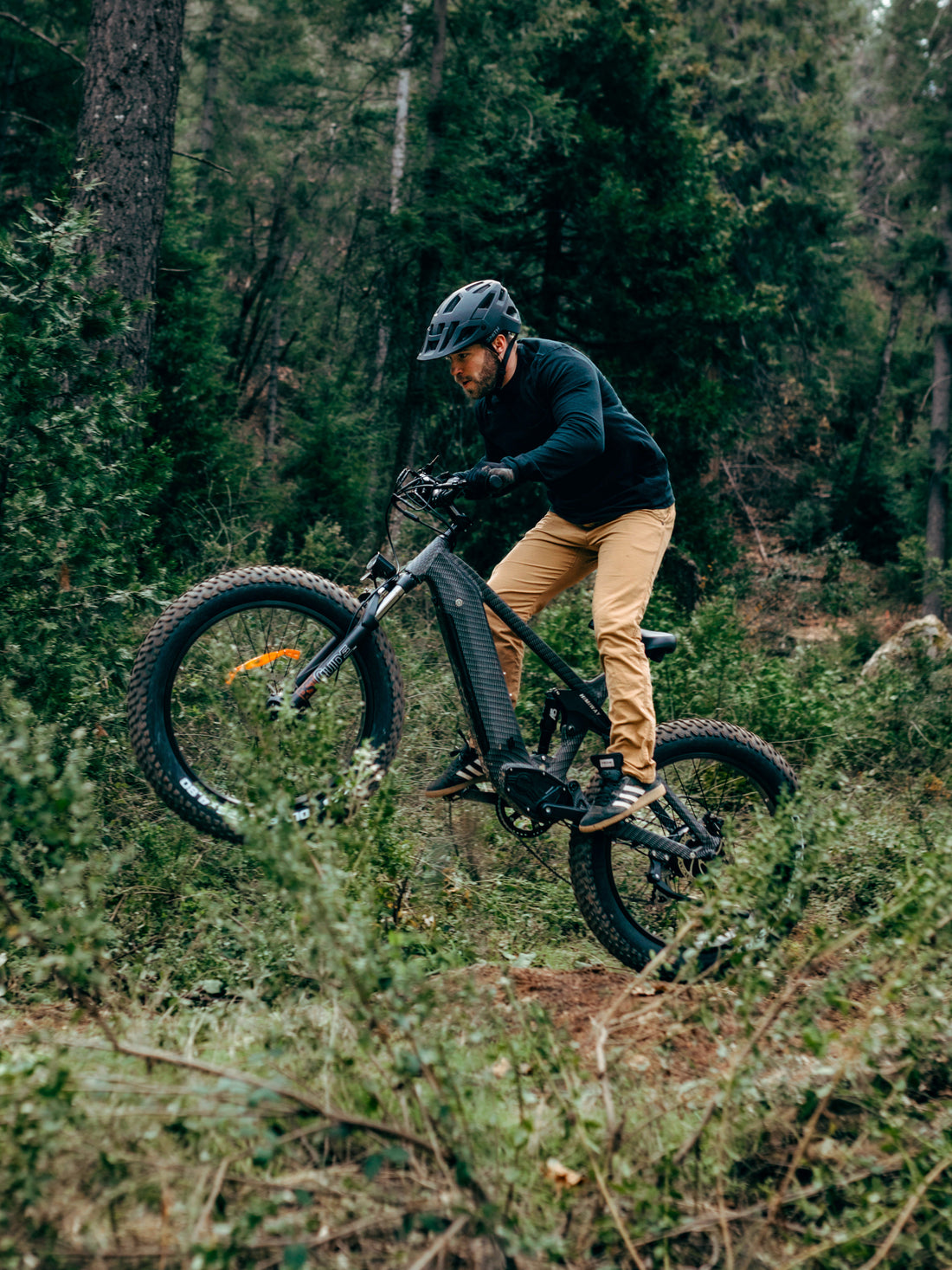
D7 / Full Suspension Electric Hunting Bike
-
80 Miles
Max Range
-
26x4.5
Super Fat Tire
-
Torque
Sensor
-
Hydraulic
Brakes


Himiway D5 2.0 20" eBike Easy to Maneuver. Built for Power.
-
Full Suspension
Travel F:90mm R:100mm
-
Torque / Cadence
2 Riding Experiences
-
750W 90Nm
Geared Hub Motor
-
440 lb.
Payload Capacity


Himiway D5 2.0 eBike Endless Comfort: Turning Rough Roads into Silk.
-
Full Suspension
Travel F:100mm R:130mm
-
Torque / Cadence
2 Riding Experiences
-
750W 90Nm
Geared Hub Motor
-
Smart Auto
5 Assist System


Himiway D5 2.0 ST eBike Endless Comfort: Turning Rough Roads into Silk.
-
Full Suspension
Travel F:100mm R:130mm
-
Torque / Cadence
2 Riding Experiences
-
750W 90Nm
Geared Hub Motor
-
Smart Auto
5 Assist System


Himiway D5 2.0 Camo eBike Blend In, Ride Out: The Top Choice for Hunting
-
Full Suspension
Travel F:100mm R:130mm
-
Torque / Cadence
2 Riding Experiences
-
750W 90Nm
Geared Hub Motor
-
Smart Auto
5 Assist System
- Featured
- Most relevant
- Best selling
- Alphabetically, A-Z
- Alphabetically, Z-A
- Price, low to high
- Price, high to low
- Date, old to new
- Date, new to old
Best Electric Gravel Bikes & eBikes for Gravel Roads
Riding gravel demands substantially more from an electric bike than smooth city pavement. Loose crushed rock shifts beneath your tires under hard braking, repetitive washboard ruts send harsh vibrations into your wrists, and loose unpaved climbs quickly test your traction. When searching for the best gravel e bike, riders frequently weigh sleek, ultralight gravel racers against robust, all-terrain platforms built for all-day comfort.
Traditional electric gravel bikes take design cues straight from road racing: aggressive drop bars, narrow 700c tires, and rigid frames. While they excel at maintaining rapid cadence on gentle dirt paths, they often carry downsides like punishing road chatter, twitchy steering on loose descents, and steep price tags exceeding $5,000.
If your goal is tracking down the best budget gravel e bike or an all-terrain electric gravel bike under $3000 that provides superior stability on unpaved backcountry routes, a flat bar gravel e-bike alternative like the Himiway D7 Pro offers the perfect blend of confidence, range, and ride-smoothing comfort.
What Is a Gravel eBike?
At its core, a gravel ebike (or electric gravel bike) blends long-range pedaling endurance with off-pavement resilience. Sitting comfortably between endurance road bikes and cross-country mountain bikes, these electric rigs are designed to maintain speed across dirt paths, fire roads, and broken asphalt.
Standard features on traditional electric gravel bikes typically include:
- 700c or 650b gravel wheels with puncture-resistant casing
- Moderately wide tires (38mm–50mm) balancing rolling speed and grip
- Drop handlebars prioritizing aerodynamics over upright control
- Lightweight frame setups optimized for pedaling cadence
- Torque-sensing mid-drive or lightweight hub assist motors
The standard gravel formula is clear:
Road Efficiency + Gravel Capability + Electric Assistance
While this setup suits drop-bar purists and fast-gravel racing, casual adventurers, everyday commuters, and riders tackling rugged backcountry terrain often crave a wider handlebar, plusher tires, and a much more stable cockpit.
What Gravel Roads Demand From an Electric Bike
Whether navigating packed crushed limestone, chunky railway gravel, or eroded logging trails, unpaved surfaces present unique hurdles that demand deliberate engineering:
1. Confident Traction on Loose Terrain
Loose pea gravel and sand constantly shift under your wheels. While traditional narrow gravel tires can sink or slide into loose material, high-volume fat tires float over it, generating an expansive contact patch for reliable cornering and acceleration.
2. Real-World Shock Absorption
Repetitive washboards and potholes quickly fatigue wrists, lower backs, and shoulders. Rigid gravel forks demand precise line choice and constant rider cushioning, whereas a true full-suspension build eliminates harsh vibrations entirely.
3. High Motor Torque for Steep Climbs
Dirt inclines combine steep gradients with loose footing. Having ample hill-climbing torque ensures you maintain forward momentum without spinning out or losing balance on low-cadence switchbacks.
4. Controlled, Progressive Braking
Sudden lockups on loose gravel can cause front-wheel washouts. Premium hydraulic disc brakes give riders the single-finger modulation needed to trim speed safely on descents.
5. Extended Range for Remote Exploring
Gravel routes venture far from charging spots. A larger capacity battery ensures you can run higher assist modes over extended elevation without experiencing range anxiety.
The Flat Bar & Fat Tire Alternative: Why Himiway D7 Pro?
When shopping for the best gravel e bike flat bar option under $3,000, riders quickly realize big-name cycling brands often omit suspension and push aggressive drop-bar postures. The D7 Pro reimagines the gravel segment from a durability, comfort, and control standpoint.
Fat Tires vs. Traditional Gravel Rubber
Instead of narrow 40mm tires, the D7 Pro rolls on 26" × 4.0" all-terrain fat tires. This wider footprint delivers immediate advantages:
- Planted, float-over stability on loose pea gravel and loose rock
- Lower operating tire pressure for built-in pneumatic cushioning
- Effortless transitions across sand, mud, rutted gravel, and wet roots
- Significantly reduced chance of pinch flats and rim strikes
Flat Bar Ergonomics: Upright Control on Loose Roads
Drop handlebars encourage an aggressive aerodynamic posture, which can feel twitchy on unstable gravel. A flat bar gravel e-bike layout keeps your chest open, arms wide, and head up, offering intuitive lever access and broad leverage over rough terrain.
Full-Suspension Comfort
Rather than relying solely on carbon seatpost flex, the D7 Pro pairs front and rear suspension to soak up repetitive washboard chatter, protecting your body over 30- to 50-mile backcountry excursions.
Climbing Torque & All-Terrain Versatility
Equipped with a powerful motor system, the D7 Pro crushes steep fire-road gradients effortlessly. Multiple pedal-assist levels allow you to save juice on hardpack stretches and unleash full support when loose inclines demand steady torque.
Comparison: Traditional Gravel eBike vs. Himiway D7 Pro
Finding the right gravel companion comes down to matching your terrain, budget, and riding goals:
| Feature | Traditional Electric Gravel Bike | Himiway D7 Pro (All-Terrain Alternative) |
|---|---|---|
| Riding Focus | Pace, racing & tarmac efficiency | Rough gravel, rugged comfort & stability |
| Cockpit / Bar Style | Drop bars (aggressive, low posture) | Flat bar (upright, confident handling) |
| Tires | Narrow 700c × 38c–45c | High-volume 26" × 4.0" Fat Tires |
| Suspension | Rigid fork or minimal short-travel | Full suspension (front & rear) |
| Price Tier | Often $3,500 – $7,000+ | Accessible & value-driven (< $3,000) |
| Loose Surface Stability | Moderate (requires technical finesse) | Exceptional (wide surface grip) |
| Best For | Fitness roadies and gravel race events | Mixed backroads, rural commuting, all-day treks |
Frequently Asked Questions: Gravel eBikes & Gravel Roads
Is a gravel e-bike worth it?
Yes. A gravel e-bike opens up backcountry fire roads, rail trails, and rugged rural routes that would otherwise be exhausting on a traditional acoustic bike. Electric assistance flattens punchy gravel climbs, helps you overcome the high rolling resistance of loose stones, and lets you cover significantly more distance without arriving home completely depleted.
Can you ride an e-bike on gravel?
Absolutely. You can ride an e-bike on gravel as long as it has proper tire clearance, adequate tread, and dependable brakes. While commuter bikes with skinny 28mm slick tires will slip and puncture, e-bikes equipped with puncture-resistant gravel rubber or 4-inch all-terrain fat tires offer outstanding grip and safety on loose stone.
What ebike is best for gravel roads?
The best e-bike for gravel roads balances wide tires for traction, an upright flat handlebar for responsive steering control, and effective suspension to absorb washboard ruts. While ultralight gravel bikes work on smooth, hard-packed dirt, full-suspension all-terrain models like the Himiway D7 Pro provide superior comfort, stability, and hill-climbing power on rough, unmaintained backroads.
What are the downsides of using a gravel bike?
Traditional gravel bikes prioritize lightweight speed, which introduces clear trade-offs: rigid frames transfer jarring vibrations straight to your joints, drop-bar geometry puts strain on your neck and lower back, and skinny 40mm tires easily slip in deep gravel, sand, or mud. That is why many riders switch to flat-bar, wide-tire alternatives that offer plush full suspension and relaxed upright ergonomics.
Is 23 lbs heavy for a gravel bike, and how heavy is too heavy?
For a non-electric, carbon-fiber gravel bike, 23 lbs is slightly on the sturdier side (typical ultralight builds hover around 18–21 lbs). However, for an electric gravel bike, 23 to 30 lbs is considered featherweight. The trade-off with sub-30 lb e-bikes is that they use tiny batteries (often under 250Wh), weak assist motors, and rigid frames with zero suspension. On real-world gravel roads, pure lightness is often a disadvantage: lightweight bikes bounce nervously over loose rocks. A sturdier electric bike with a powerful motor, deep-capacity battery, and plush suspension delivers vastly superior traction, stability, and comfort that easily offsets total bike weight.
Choose the bike built for the surfaces you actually explore. If you value plush suspension, surefooted grip, and upright flat-bar control over fragile lightweight builds, the Himiway D7 Pro stands ready for your next adventure.
Ride Further Together
Himi Riders
Recognition from knights around the world
5-Star Reviews
The knights give an honest opinion
Professional Review
What the professional media really thinks of us

1000+Shop

2-Year Warranty

15-Day Trial

Free Shipping
Find a Local Himiway Shop Near You
Looking for a hands-on experience?
Find a Himiway electric bike shop near you and schedule a test ride today.
Bikes for Every Ride


